

Managing Canine Arthritis: 6 Expert Tips from Hannah Capon
Giving our furry friends a long, happy and healthy life is something us dog lovers strive to do and managing arthritis is key to making this happen.
A few weeks ago, Daisy was due to go to the vets to have her lameness checked and I came across Hannah Capon from Canine Arthritis Management on the #WoofWoofWednesday Twitter chat.
I was really pleased when she agreed to speak about how to manage arthritis and specifically, how I could help Daisy.
Daisy is now 12 - 84 in human years - and while she’s still a lively girl who loves her walks and chasing her ball, she is showing signs of slowing down.
If you’re an owner of a senior dog you’ll relate to the sadness this brings. As Hannah says, it’s a reminder that you’re in your latter years together.
You want your dog to enjoy life and not feel like you’re restricting their fun. But you’re also conscious that this might be to the detriment of their health.
Hannah, 39, from Sussex decided to raise awareness of arthritis after working in a practice in Brighton and noticing that she was repeatedly putting dogs to sleep due to the disease, and euthanased two arthritic dogs in one afternoon.
She began visiting dogs in their homes, educating owners on the signs of pain, medication, diet, how to adapt their environment, and using complementary therapy and started the #yourdogmoreyears campaign.
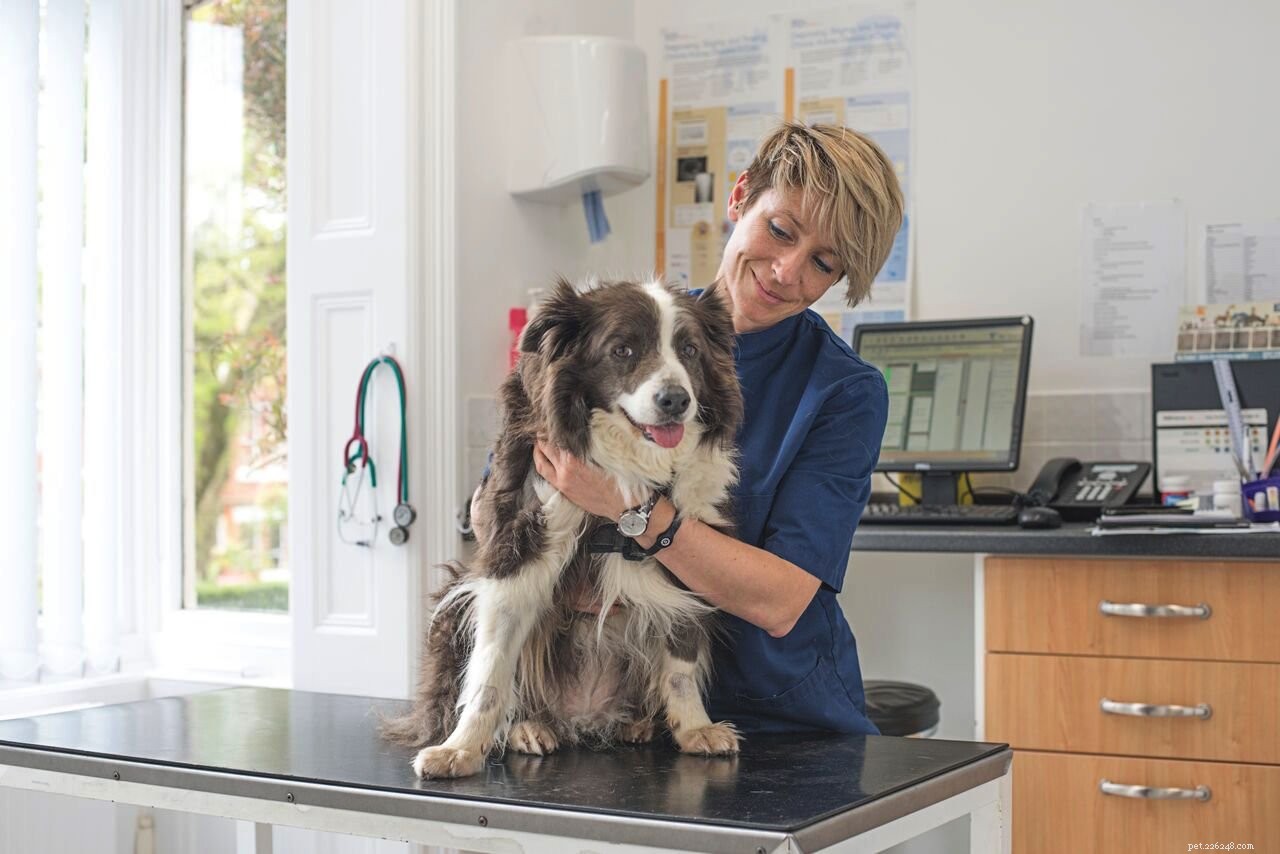
Hannah and her adorable senior dog Holly
Hannah now has a team of three vets and two vet nurses helping dogs and their owners
She explained: “It’s heartbreaking but arthritis is the major cause of elective euthanasia for dogs in the UK. Four out of five dogs over the age of eight are affected and there is no cure.
“A study by a vet in America found that 60% of dogs that came through their door for other problems had arthritis.
“It’s something that’s always linked to older dogs but there’s a lot of younger dogs that have early onset arthritis.
“They don’t show pain how we expect them to, and many dogs, particularly Pugs, Bulldogs and Staffies, already have a strange gait so the owners don’t realise and can wait until the dog can hardly bear weight before asking for help.”
Hannah has a senior dog, Holly, a 15-year-old Border Collie, meaning she can relate to the challenges facing the owners of gorgeous Golden Oldies.
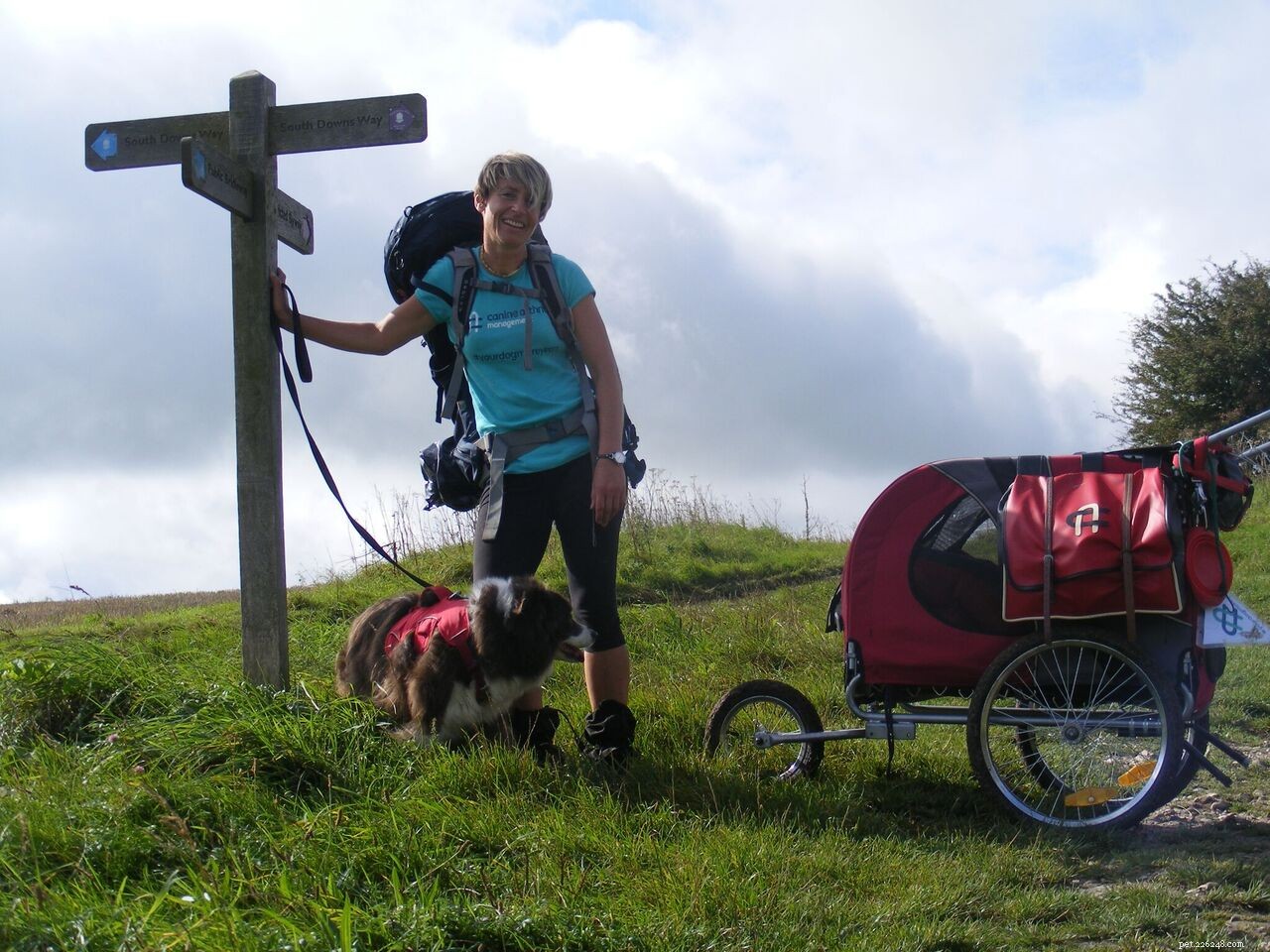
Last year, she walked 100 miles in eight days on the South Downs Way with Holly, using a trolley when she needed a break, showing life doesn’t stop with an old dog, it simply changes.
You can read about the Big Walk on Hannah's website and these are the six things she advises owners do to help dogs live to a ripe and healthy age, just like Holly.
Learn to recognise signs of pain
Run your hands over your dog. People think when they walk away it’s because they’re ticklish but this can be a pain indicator.
They might walk on their tiptoes or pigeon toed, or arch their back. They could tremble or take longer to lie down, so circling three times rather than once.
They might walk forward when going to the loo rather than peeing/pooing in one place or you may notice the way they carry their head is very rigid and set rather than moving around.
Not stretching and yawning may be a sign of discomfort too.
Find non-slip solutions for wooden or laminate floors
Think about what it would be like for a doddery elderly person or a toddler wearing a pair of socks in your house.
Someone who is weaker with lack of balance and lack of strength is more likely to slip over. You need to think in the same way for your dog.
Put rugs down they can grip to, keep them away from stairs and steps and use easily accessible beds that are supportive and comfortable for them to lie on.
People I visited would see their dogs fall, but because they didn’t show pain in a way they expected, they didn’t realise things in their home were harming them.
As owners don’t use pain indicators, they don’t monitor deterioration or improvement which means they don’t know what is effective.
See your vet regularly
When you see your vet make sure you’re prepared with detailed observations of the changes you have seen in your dog and explain as specifically as possible why you believe they are in pain.
Find out where the problem is. Is it the hips, back, elbow? There are options, like medication, laser treatment, injections, surgery, and complementary treatments like massage, hydrotherapy and acupuncture but you need to know where the problems are.
Your vet will explain the treatments they offer, but may also refer you to a specialist. Find massage tips here.
Ensure your dog is a healthy weight
Just like it is for humans, carrying too much weight isn’t good for arthritis. As well as the actual weight of the fat making movement difficult, the compounds that live in the fat cause inflammation in the joints too.
Have one person in the house in charge of feeding and weigh your dog every week and measure with a tape measure.
It’s tempting to treat dogs with food but in the long term we are killing them with kindness.
You can read our post on ways to help your dog lose weight here.
Don’t overexercise
It makes me so annoyed when I see people using ball throwers. Dogs will chase balls until they drop.
The release of neurochemicals on seeing that ball mean that they are so happy and excited that they seem to be pain free.
But when they stop it hits them. The same goes for running on a beach. Think about what it would be like for you sprinting on a beach?
You can still play with your dog and let them have fun, but not by launching a ball for large distances as this may exacerbate the disease.
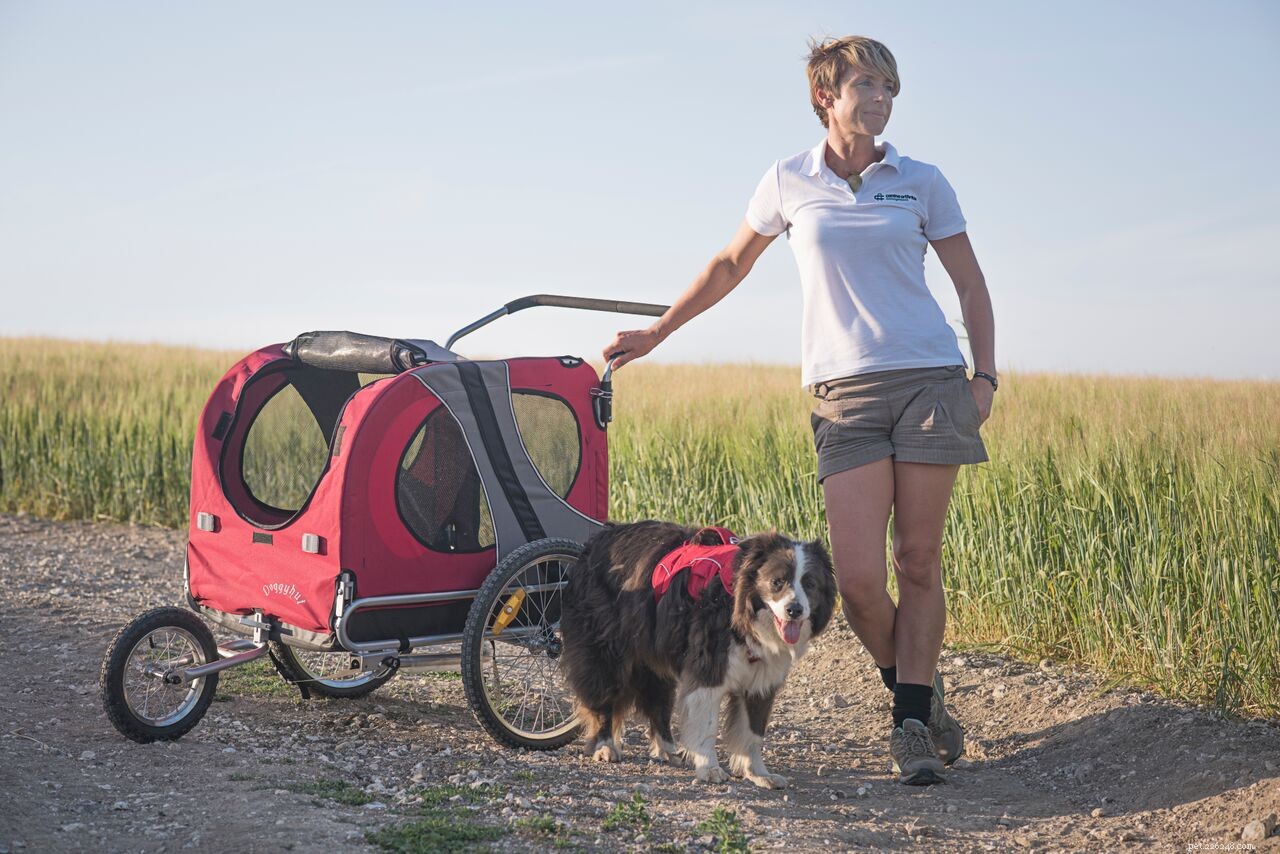
Hannah uses a trolley for Holly when she needs to take a break on walks
Know how to read your dog
Imagine being in pain and no-one listening to you? It would be awful, so know how to read your dog.
If you follow the advice here and on our website and keep a regular checklist of how they are you can add years onto your dog’s life.
The bond we have with them and the unconditional love they give us can’t be measured.
Our aim is to minimise their pain and stress and worry for owners making them free to enjoy life together.
Putting Hannah's advice into practice
Daisy has had arthritis since she came to live with me aged five and has been on supplements and had regular visits at the vets.
I’d never realised wooden floors could contribute to her illness and, like many owners, experienced feelings of guilt.
Now, I have a large rug covering the lounge and have moved her feeding and water bowls there.
My home has steps, so I carry her out when we go for walks, and the same goes for stairs in the house.
I’m much more aware of signs of pain, checking her regularly and take her out only when I feel she wants to walk.
My vet has prescribed anti-inflammatories and she has frequent check ups.
I use a PitPat activity monitor to ensure she doesn’t walk too much and she takes Lintbells Yu Move supplements, which Hannah recommends.
Hannah suggested canine massage and she is having her first session this week with a therapist we found through the Canine Massage Guild at www.k9-massageguild.co.uk - there's lots of information and courses for owners at www.caninetherapy.co.uk too.
Daisy is already very slight, which means less pressure on her joints, and has a low fat diet apart from the odd treat!
I hope combining treatment from her vet and Hannah’s advice will bring us many more happy years together.
You can find a wealth of resources on the Canine Arthritis Management website www.caninearthritis.co.uk
And you can follow #yourdogmoreyears on Twitter, Facebook and Instagram.
Do you have a pet with arthritis and have any tips you’d like to share? I’d love to hear them, so please pop them in the comments below!
- Pet Behavior
- Pet Breeds
- Pet Names
- Pet Adoption
- Pet Training
- Pet Information
- Pet Health
- Adorable Pets
- Dogs
- 5 Essential Facts About Muzzled Dogs: Breaking the Stigma
- Canine Influenza Explained: Essential Protection Tips for Pet Owners
- Understanding Dog Shedding: Essential Tips for a Healthy Coat
- Kennel Cough: Essential Protection and Care for Your Dog
- Essential Dog Vitamins: 7 Must-Know Nutrients for Your Canine Health
- Dog Ears Explained: How They Hear and Why It Matters
- Protecting Your Dog from Ticks: Expert Guide to Prevention & Removal