

Prevent Overfeeding Your Puppy: A Proven Feeding Guide
What and how much a puppy should eat are common questions for new dog owners. The answers vary depending on breed and age. A new puppy shouldn't leave his litter until at least 8 weeks old, and by then, the breeder or shelter will have weened the dog and introduced solid food specifically formulated for puppies.
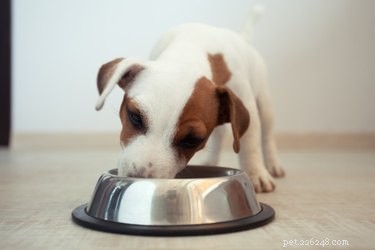
A puppy overeating might gain too much weight. It's possible to have an overweight puppy. While there are guidelines about how often to feed a puppy, determining the amount isn't as easy. Portion size depends on the individual metabolism of the dog, so watch body condition. A puppy should not be too visibly potbellied after 12 weeks old.
Puppies should start losing their rotundness, or baby fat, after 12 weeks old. If he is still plump at 14 or 15 weeks, reduce portion sizes rather than frequency. When a puppy starts to skip a meal, he might be ready to have the frequency of feeding reduced. Monitor the puppy's weight, shape, behavior, and quality of poop to determine quantity of feeding. Remove uneaten portions of food rather than leaving them on the floor for later.
Feeding puppy food
Most dog breeders, veterinarians, and experts recommend feeding puppies food designed specifically for young dogs. The nutritional requirements are different at this age and are important because bones are forming. Premium foods are recommended because portions can be smaller, and the composition of the formula is more consistent. There's also differences between large-breed and small- breed puppy foods.
Small dogs under 20 pounds at adulthood can reach full-grown size by 9 months, so they should be switched to adult dog food around that time. Larger dogs will take anywhere from 13 to even 24 months to reach maturity, so they can eat puppy food as long as 14 months.
Illness from a puppy overeating

Overweight puppies face similar health issues as overweight adult dogs but perhaps sooner. Orthopedic problems can develop earlier if there is too much stress on immature bones and joints. Diabetes, heart disease, and tiredness are all illnesses exacerbated by obesity. Fortunately, puppy overeating is unusual if food is portioned correctly throughout the day.
- Pet Behavior
- Pet Breeds
- Pet Names
- Pet Adoption
- Pet Training
- Pet Information
- Pet Health
- Adorable Pets
- Dogs
- How to Keep Your Puppy from Climbing Upstairs: Simple Training & Home Tips
- Proper Feeding Guide for Your Yorkie‑Poo
- The Ultimate Guide to Feeding Your New Yorkie Puppy
- Puppy Feeding 101: Exact Portion Sizes, Feeding Schedule, and Nutritional Tips
- Effective Puppy Deworming: A Step-by-Step Guide
- The Ultimate Guide to Proper Puppy Nutrition
- How Long Should Your Puppy Eat Puppy Food? A Breed‑Specific Guide