

Which Vegetables Are Unsafe for Dogs: A Safe Feeding Guide
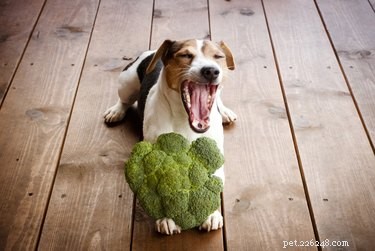
Dogs are omnivores, which means they can eat a variety of foods, including vegetables, which are great for your dog's health. But just because dogs can eat veggies doesn't mean that all of them are safe for your canine companion. Keep your pooch healthy by knowing what veggies should stay securely stowed in the fridge or pantry.
Bulb Veggies
The ASPCA's basic rule of thumb is if a vegetable grows as an underground bulb, keep it out of Fido's bowl. Onions, chives and leeks contain a chemical that can break down your dog's red blood cells if he eats too many of them. In small quantities, these bulb veggies are usually harmless, but the best way to be safe is to avoid them altogether.

Garlic contains the same chemical, but in smaller amounts, advises the Holistic Dog. Some dog foods and treats contain very low doses of garlic, which are generally considered safe by most veterinarians and pet nutritionists. To be safe, never give your dog whole cloves of garlic or large quantities of garlic powder. If your dog eats any of these vegetables, he may develop anemia, which can be fatal if left untreated.
Rhubarb
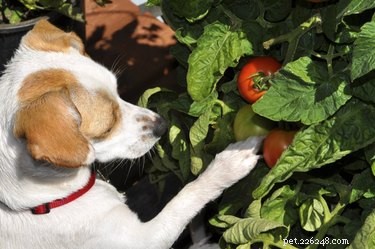
Rhubarb pie is a tasty human treat, but Pet Poison Helpline advises that rhubarb is toxic for your canine friend. Like the stems and leaves of the nightshade plants, the leaves and stalk of the rhubarb are the toxic parts. Both the stalk and leaves contain oxalate crystals (although the leaves are more toxic), which deplete the calcium in the dog's body. Symptoms of rhubarb poisoning include drooling, loss of appetite, vomiting, diarrhea, lethargy, weakness, tremors and bloody urine. In some severe cases, rhubarb poisoning can cause sudden renal failure.

Mushrooms
Although not technically vegetables, mushrooms are often used as vegetables in cooking. Some mushrooms are safe for people to eat, while others will cause quite the stomach upset. For dogs, all mushrooms are on the unsafe list. Most often, mushrooms will cause stomach pains, vomiting and diarrhea. In some cases, mushroom poisoning may lead to permanent liver or kidney damage or even death.
Always check with your veterinarian before changing your pet’s diet, medication, or physical activity routines. This information is not a substitute for a vet’s opinion.
- Pet Behavior
- Pet Breeds
- Pet Names
- Pet Adoption
- Pet Training
- Pet Information
- Pet Health
- Adorable Pets
- Dogs
- Melatonin for Dogs: Safety, Benefits, and Guidelines
- Is Dr. Bronner’s Soap Safe for Dogs? Get the Facts
- Hydrotherapy for Dogs: Benefits, Methods, and Recovery
- Avoid Fatal Dog Poisoning: Identify and Remove Toxic Plants from Your Home
- Which Vegetables Are Safe for Dogs? A Guide to Good and Bad Choices
- Prilosec for Dogs: Vet-Recommended Treatment for Stomach Ulcers
- Top Healthy Vegetables Every Dog Can Safely Enjoy