

Carnations and Pet Safety: Are They Toxic to Cats and Dogs?
Carnations are members of the Dianthus genus and are one of the most popular cut flowers in bouquets. Unfortunately, Dianthus is not safe for dogs and cats. Know the risks before bringing carnations into your home and take steps to make sure your home and yard are safe for all of your furry friends.
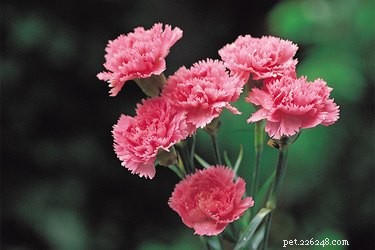
While carnations may only cause mild problems for your pet, there are a number of plants that are commonly found in the home garden or kept as houseplants that are extremely toxic to cats and dogs. Some examples include ivy, oleander, and lilies.
If your dog or cat ingests a poisonous plant (or any other toxic substance), remove her from the area right away and assess her breathing and symptoms. If she is having trouble breathing or having severe symptoms, take her to the vet immediately.
If your pet is still acting normally or exhibiting only mild symptoms, you can call your veterinarian, the ASPCA's Animal Poison Control Center, or the Pet Poison Helpline. Don't wait to make the call, as treatment can be more complicated and more expensive if symptoms progress. Never offer home remedies, such as milk, or attempt to induce vomiting unless advised to do so by a vet.
Pet-friendly home and garden
Evaluate the plant life in your home and garden to determine which species are safe for your cats and dogs. If you have species that are toxic, the safest thing to do is to remove them. However, this may not always be possible or desired. For example, the foliage and green fruit of tomato plants are toxic and can cause serious symptoms, but tomatoes are a staple of your vegetable garden.

If you opt to keep toxic plants, make sure to keep your pets away from them. This may mean fencing off your vegetable garden or an area in your yard and putting potted plants on a higher shelf or table that your pets can't reach. This can be more challenging for cats who enjoy high perches.
If you enjoy having cut flowers in the home, consider some safe alternatives to carnations. Some options to consider include roses, orchids, snapdragons, Gerbera daisies, sunflowers, and Madagascar jasmine. Keep in mind that any plant or food that your pet is not used to eating may cause mild gastrointestinal symptoms.
- Pet Behavior
- Pet Breeds
- Pet Names
- Pet Adoption
- Pet Training
- Pet Information
- Pet Health
- Adorable Pets
- Dogs
- Are Mothballs Dangerous for Cats and Dogs? Understand the Risks
- Are Marigolds Safe Around Pets? Risks to Cats and Dogs Explained
- Are Jade Plants Toxic to Dogs and Cats? What You Need to Know
- Are Hydrangeas Safe for Cats and Dogs? Learn the Risks
- Grapes and Raisins: The Hidden Danger to Dogs – What You Must Know
- Avoid Pet Poisoning: Toxic Plants and Flowers Dangerous to Cats and Dogs
- 10 Highly Toxic Plants That Endanger Cats & Dogs