

Post-Extraction Care Guide for Your Dog's Dental Health
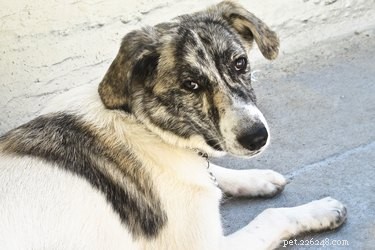
Just like their human counterparts, dogs require dental care from time to time. According to the American Veterinary Medical Association, 80 percent of dogs have a form of periodontal disease by age 2. Even if you do brush your dog's teeth, he can still develop periodontal disease, which can lead to the need for a tooth extraction. In addition to this, your dog may never lose all his baby teeth and the baby teeth that do not fall out may need to be removed. After you veterinarian removes a tooth, your dog will require special care in order to heal properly.
Take a Chill Pill
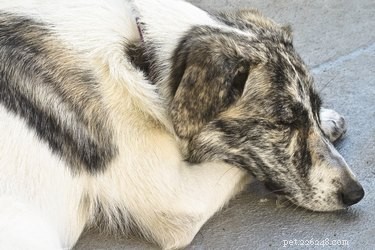
Take your dog home immediately after being discharged from care. Limit your dog's activity level for three to five days. Take away things your dog chews on that are hard, such as toys and bones.
Chow Time
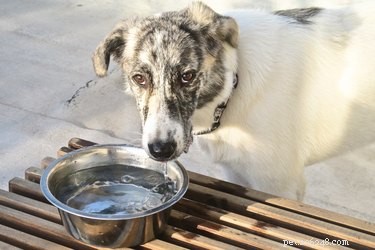
Offer your dog water when you first arrive back home. Do not give your dog food until he holds the water down for two to three hours. Feed your dog the same diet he is already used to eating. Dietary changes may cause digestive upset. If you feed your dog dry food, soften it with water to make it easier to chew.
Keep an Eye Out

Watch for signs of complication, such as increased bleeding, heavy bleeding, drooling, excessive swelling, bad breath and sudden change in eating or behavioral habits. Return to your veterinarian within seven to 10 days of your dog's procedure to make sure the extraction site is healing.
Oral Hygiene
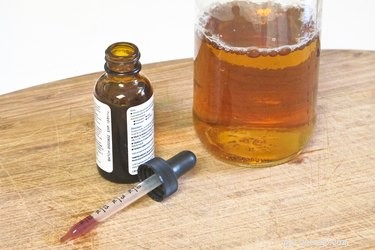
With your vet's permission, rinse your dog's teeth one to two times each day with a 0.2 percent chlorhexidine solution. To do this, fill a needleless syringe with the solution and spray it directly on your dog's gums and teeth.
Always check with your veterinarian before changing your pet’s diet, medication, or physical activity routines. This information is not a substitute for a vet’s opinion.
- Pet Behavior
- Pet Breeds
- Pet Names
- Pet Adoption
- Pet Training
- Pet Information
- Pet Health
- Adorable Pets
- Dogs
- Melatonin for Dogs: Safety, Benefits, and Guidelines
- Is Dr. Bronner’s Soap Safe for Dogs? Get the Facts
- Hydrotherapy for Dogs: Benefits, Methods, and Recovery
- Avoid Fatal Dog Poisoning: Identify and Remove Toxic Plants from Your Home
- Effective Natural Laxatives for Dogs: Gentle, Safe Relief
- Relieve Your Dog's Muscle Spasms: Trusted Muscle Relaxer Options
- Prilosec for Dogs: Vet-Recommended Treatment for Stomach Ulcers