

Complete Care Guide for Your Pomeranian‑Yorkie Mix: Health, Grooming, and Training Tips
Things You'll Need
Dog housebreaking pads
Premium dog food
Halter and leash
Calorie supplements
Brush
Enzymatic toothpaste
Toothbrush
Toddler teething toys
 Pomeranian puppies in a basket.
Also known as "yoranians" or "porkies," a Pomeranian-Yorkie mix is a hybrid cross between a Yorkshire terrier and a Pomeranian. These are very small, long-haired dogs that range in size between 3 and 7 pounds and stand 6 to 12 inches tall. This mix breed is friendly and affectionate, but does best in homes with no other pets and no small children. Because of its diminutive size and characteristics of both breeds, the puppy has special requirements for care.
Step 1
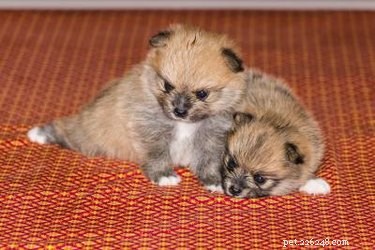 2 Pomeranian puppies.
Use pads to housebreak the puppy. These small dogs are vulnerable to many predators and should never be left outside alone, so housebreaking them to pads inside is best. Like all dog breeds, pom-yorkies can be difficult to housebreak so patience and consistency are key.
Step 2
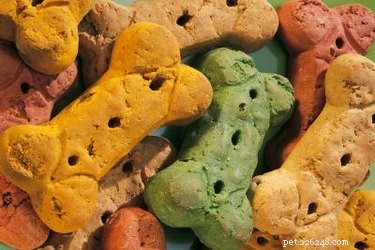 Close up of dog treats. Cut into smaller pieces.
Cut any food or treats into very small pieces. Because their throats are small, the pups are prone to choking. Even as adult dogs, be sure anything they eat is offered in tiny pieces.
Step 3
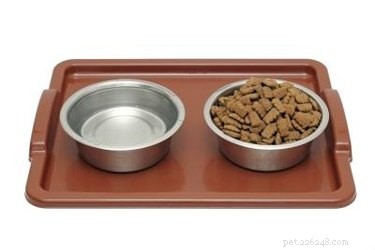 Puppy food and water bowls.
Feed the puppy three meals a day, accompanied by several snacks. These dogs are prone to low blood sugar so need to have food available to them at all times. Be sure the dog eats well prior to exercise.
Step 4
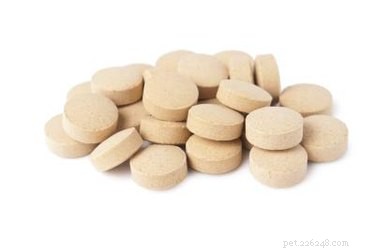 Pet supplements.
Use calorie supplements for low blood sugar. If the dog appears sluggish or begins shaking or staggering, give it a dime-sized dose of a calorie supplement, available at pet stores.
Step 5
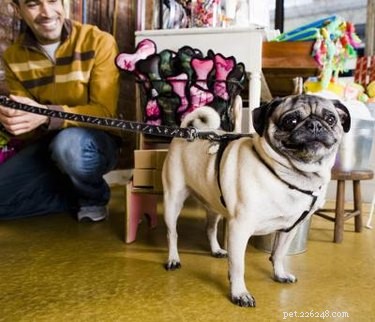 Halter leash.
Use a halter leash, not a collar. Because these dogs have such a small trachea, a halter is best for walking. A collar can damage the dog's throat.
Step 6
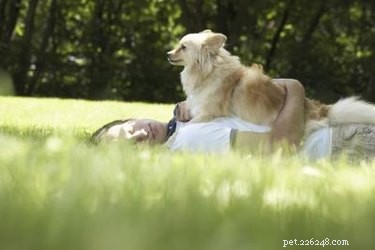 Owner with his small Pomerianian mix dog outdoors.
Watch carefully where you walk and sit. These are active little dogs and will dart under your feet as you walk or jump under you as you're sitting. Many toy breed dogs are injured or even killed when accidentally stepped or sat on.
Step 7
 Be cautious at night with small pets.
Use extreme caution when the dog is outside. Other dogs, coyotes, owls and hawks are all dangers to tiny dogs. Never leave the dog alone outside and be especially careful at dawn and dusk when most predators are hunting.
Step 8
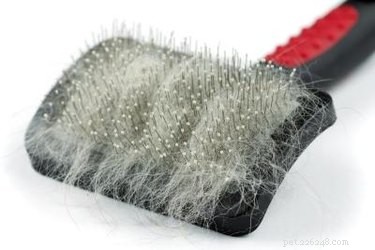 Dog brush.
Brush the coat regularly. Long-haired dogs require constant grooming to keep the coat free of tangles. Trim the hair around the anus short to prevent fecal matter from sticking to the coat.
Step 9
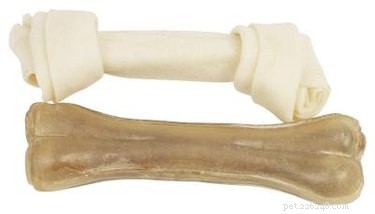 Chew bones/toys.
Provide chew toys. Teething toys for toddler children can be used. They are the right size for small dogs.
Step 10
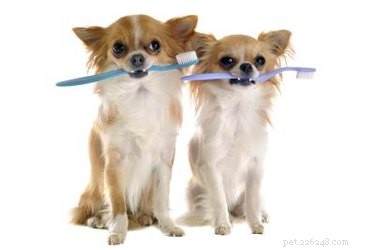 2 small dogs with toothbrushes.
Brush the dog's teeth daily. Pomeranians are prone to tooth loss due to bacteria buildup. Use enzymatic toothpaste designed to fight bacteria, coupled with a small toothbrush.
Always check with your veterinarian before changing your pet’s diet, medication, or physical activity routines. This information is not a substitute for a vet’s opinion.
- Pet Behavior
- Pet Breeds
- Pet Names
- Pet Adoption
- Pet Training
- Pet Information
- Pet Health
- Adorable Pets
- Dogs
- Senior Dog Care: Expert Tips for a Healthy Golden Age
- How to Care for a Dog’s Swollen Leg: A Professional Guide
- How to Care for Your Dog’s Dry Nose: Simple Steps for a Healthy Nose
- Comprehensive Guide to Caring for Your Dog: Tips, Health, and Responsibility
- Expert Guide to Caring for Your Senior Dog
- Comprehensive Guide to Caring for Your Senior Dog
- Caring for a Deaf Dog: Tips for Safety and Happiness