

Keeping Your Dog Calm After Neutering: A Guide to Post‑Surgery Recovery
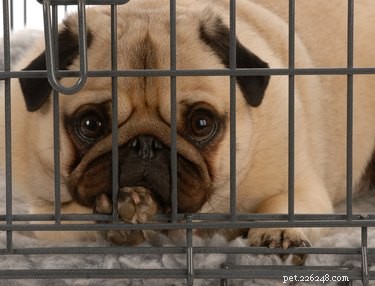
Canine neutering surgery is not as invasive as canine spay surgery. Only the dog's testicles, not his scrotum, are removed. While this surgery is not highly invasive, it still removes a portion of your dog's body. He may experience some trauma. It is best to keep him calm and restrict his activity, to help him heal with a minimum of pain and suffering.
Post-Surgical Care
During the first 18 to 24 hours, your dog will be feeling the effects of general anesthesia. He may be irritable and may bite if approached. He may want to sleep more than normal. In addition, his balance may be affected, which may make his appear clumsy. Crating your dog away from household activity will help to reduce his stress during these initial hours. If he is not crate-trained, or if he is agitated in his crate, keep him isolated from children and other pets in particular. Short walks on a leash may help him to relax. If your dog still seems agitated, your veterinarian may be able to prescribe an anti-anxiety medication. Do not give your dog pain medications not prescribed by your veterinarian, even if he seems to be agitated due to pain.
Always check with your veterinarian before changing your pet’s diet, medication, or physical activity routines. This information is not a substitute for a vet’s opinion.
- Pet Behavior
- Pet Breeds
- Pet Names
- Pet Adoption
- Pet Training
- Pet Information
- Pet Health
- Adorable Pets
- Dogs
- Maintaining a Schnauzer’s White Facial Fur: Tips & Care
- How to Support Your Boyfriend After the Loss of His Dog
- Administering Metronidazole to Your Dog: A Vet‑Approved Guide
- Is Your Dog's Paw Broken? How to Spot a Broken Paw in Your Canine
- 10 Proven Ways to Calm Your Dog Quickly & Effectively
- Keeping Your Dog Calm and Comfortable After Surgery: A Guide
- 7 Proven Techniques to Calm a Hyperactive Dog