

Identifying and Treating Common Stomach Rashes in Dogs

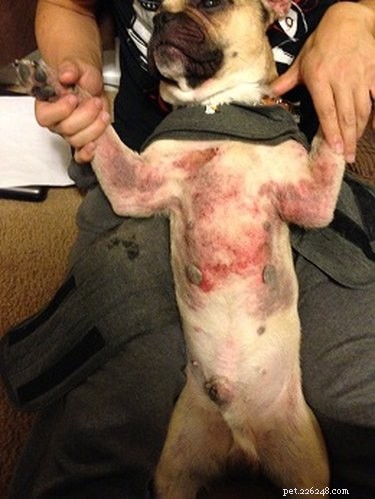
Does your dog have a tummy rash? Whether you're a new pet owner or a long time friend, learning how to identify a dog rash and how to provide relief are two excellent skills to know. There are many reasons for dog rashes; when dogs lie down, their stomachs are in contact with whatever surface they're on — so they're exposed to household chemicals, outdoor irritants or insect bites, all of which can lead to rashes. Most rashes are harmless and can be treated with topical ointments, but some skin irritations signify serious conditions. If your dog is scratching persistently at a rash and it doesn't go away after a few days, take your pet to be evaluated by a veterinary expert.

Bug Bites
Ticks, fleas, mites and chiggers can all cause stomach rash on a dog. Not only do the bug bites lead to raised welts and itchy skin, but your dog's licking and scratching of the area can also lead to dry and irritated skin or hot spots that exacerbate the problem. You can treat these insect-based rashes by first identifying and eradicating the parasite problem, thoroughly cleaning your dog's bedding and washing his stomach with an antibacterial soap. A topical anti-itch cream or prescribed cortisone cream can further soothe itchy skin irritation.
Contact or Allergic Dermatitis
Just like a human, your dog may be allergic to something the skin of his sensitive stomach comes in contact with. These allergies could be sap from a tree, poison from a plant or yard fertilizer, or it could be a carpet, floor or household cleaner. While allergic rashes can typically be treated easily enough with topical creams or vet-prescribed antihistamines, narrowing down and avoiding the cause of the irritation can be tricky. Consider using pet-safe supplies in your home and garden to reduce the potential for rashes and accidental poisoning.

Folliculitis and Impetigo
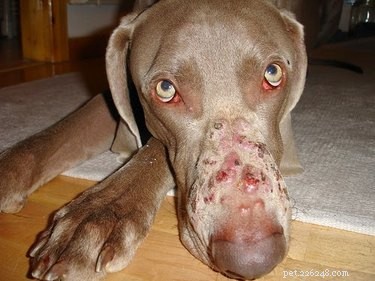
Folliculitis is a bacterial infection and may follow other skin problems that result in scratching and raw, exposed skin, according to Animal Wellness magazine. Symptoms include sores, raised welts, scabbing or scaly skin. Fluid-filled blisters on the stomach can be a symptom of another bacterial problem, impetigo, which is most commonly seen in puppies. Your vet may treat both disorders with medicated shampoo or antibacterial gel. An antibiotic may be needed to treat infection.
Serious Illness
The Merck Vet Manual also describes how skin conditions can signify serious underlying medical conditions, such as internal parasites, strongyloidiasis, mange or an uncontrolled infection. If your dog experiences sudden changes in his coat or skin, particularly if the change is accompanied by other distressing symptoms like vomiting, bloody stool or a change in appetite or demeanor, seek veterinary attention immediately.

Always check with your veterinarian before changing your pet’s diet, medication, or physical activity routines. This information is not a substitute for a vet’s opinion.
- Pet Behavior
- Pet Breeds
- Pet Names
- Pet Adoption
- Pet Training
- Pet Information
- Pet Health
- Adorable Pets
- Dogs
- Understanding Sagging Skin in Dogs: Causes, Care, and Health Implications
- Stomach Tumors in Dogs: Causes, Diagnosis, and Treatment Options
- Dog-Linked Skin Rashes: Causes, Symptoms, and Prevention
- Essential Guide to Dog Skin Infections & Disorders: Diagnosis, Treatment & Prevention
- Top Dog Safety Risks and How to Protect Your Pet
- Common Stomach and Intestinal Disorders in Dogs: Symptoms & Solutions
- Dog Bloat: Causes, Symptoms, and Life‑Saving Prevention