

Understanding Your Dog's Yellow Bile Vomiting: Causes, Symptoms, and When to Seek Veterinary Care
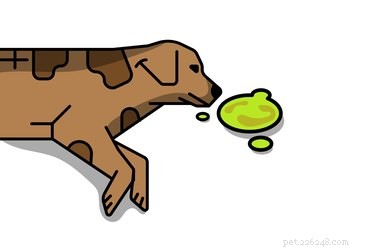
While most dogs throw up from time to time, some dogs vomit repeatedly over an extended period. Unlike isolated cases of vomiting that are not accompanied by fever, bloating or other troubling symptoms, repetitive vomiting can indicate a serious problem. Many dogs who keep throwing up produce vomit that is largely composed of yellow bile. While you should seek veterinary attention for any dog who vomits repeatedly, a relatively minor condition called bilious vomiting syndrome, often causes dogs to vomit bile.
Bile Basics
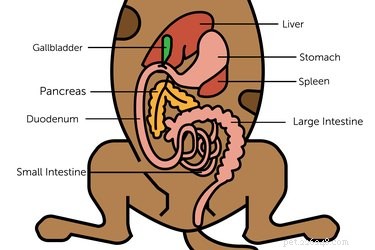
Bile is a yellow-brown to green liquid produced by the dog's liver and stored in the gall bladder. The gall bladder releases the bile into the upper portion of the small intestine – called the duodenum. Bile helps the body break down fats through the process of emulsification. This breaks the fats into tiny droplets, which increases the surface area of the fats, and enables quicker digestion.
Bilious Vomiting Syndrome
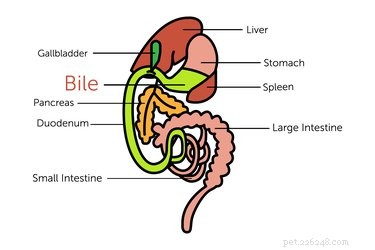
Bilious vomiting syndrome can cause chronic vomiting in dogs. Essentially a type of gastritis, bilious vomiting syndrome occurs when bile from the small intestine backs up into the stomach. Because the bile is acidic, it lowers the pH of the stomach even further, which irritates the stomach and causes the dog to vomit. Veterinarians do not fully understand what causes the bile to enter the stomach, but infrequent meals, inflammatory bowel disease and giardiasis are associated with the affliction. Dogs with bilious vomiting syndrome often vomit late at night or early in the morning.
Detection and Diagnosis
Consult your veterinarian if your dog's vomit contains bile. While bilious vomiting syndrome is usually rather easy to treat, other problems may cause bile to appear in your dog's vomit. Some dogs vomit bile after eating too quickly or overexerting themselves. While rare, disorders or disease of the kidneys, liver or pancreas may cause bile to appear in your dog's vomit. Accordingly, it is important to have your veterinarian examine your dog to ensure the symptoms are not caused by some other affliction. Usually, dogs with bilious vomiting syndrome exhibit normal values for blood and urine tests, but X-rays or ultrasounds may demonstrate reduced gastrointestinal motility.
Sanguine of Serious?
Veterinarians often treat bilious vomiting syndrome by simply instructing pet owners to provide two or three small meals throughout the day, rather than one large meal. Because a dog's stomach is usually empty about six to eight hours after they eat, it may help to feed them at similar intervals. Regardless of the schedule you choose, the daily quantity of food provided should not change. In some cases, veterinarians can help reduce the symptoms by prescribing medications that address motility problems or medications that reduce the amount of stomach acid produced. Infections, such as those caused by giardia, are treated with antibiotics or other medications, while organ problems may require surgery and extended care.
Always check with your veterinarian before changing your pet’s diet, medication, or physical activity routines. This information is not a substitute for a vet’s opinion.
- Pet Behavior
- Pet Breeds
- Pet Names
- Pet Adoption
- Pet Training
- Pet Information
- Pet Health
- Adorable Pets
- Dogs
- What Causes Persistent Paw Licking in Dogs: Symptoms, Diagnosis, and Relief
- Understanding Why Dogs Lick Their Paws: Causes, Symptoms, and Solutions
- How to Handle Your Dog's Yellow Bile Vomiting: Causes, Symptoms, and Care
- What Causes Your Dog to Vomit – Common Reasons & When to Seek Help
- What Does Yellow Vomit Mean in Dogs? Causes, Symptoms, and How to Help Your Pet
- What Causes Dogs to Vomit and How to Find the Right Treatment
- Understanding Why Dogs Eat Grass: Causes, Risks, and What to Do