

Understanding Canine Kidney Anatomy: Key Insights for Veterinary Care
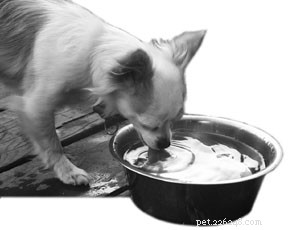
Every practitioner will tell you that kidney disease is one of the most common entities seen in vet practices daily. Acute renal failure usually occurs following a major insult to the kidneys. Potential causes include vascular conditions (such as disseminated intravascular coagulation or DIC), immune mediated conditions (such as lupus), renal infections, and ingestion of toxins (such as heavy metals, aminoglycoside antibiotics, painkillers, and ethylene glycol or antifreeze). Once the instigating factor(s) is removed with specific therapy, and supportive therapy is instituted (for example, fluids to enhance flow through the nephrons), the kidney typically returns to its normal function. If the disease process is allowed to proceed for a few days to a few weeks, chronic renal disease may ensue. Chronic renal failure (CRF) presents a far more complex and ever-evolving picture. Therapy often must be adapted to the individual case and its progress over time. Basic principles of therapy include: • Determination of the cause of the disease, if at all possible. • Removal of potential toxins – including drugs that are known to be harmful to the kidneys. • Restoration of blood flow through the glomeruli. Fluids, given sub-Q, IV, or orally if possible, can be life-saving. Some dogs with CRF can manage a fairly good quality of life so long as fluids are administered on a routine basis – daily or several times a week. • Dietary changes to help bring the body and the urinary system back into balance (see nutrition, below). • Specific treatments to help counter the cause of the disease. Infections, for example, can be treated with antibiotics, herbs, acupuncture, or immune system-enhancing methods. Primary glomerulopathies are uncommon in dogs. They are often due to an immune-mediated disease that ultimately creates the formation of immune complexes in the glomerular capillary wall. These immune complexes prevent normal glomerular functioning, and the dog is unable to retain protein. The primary symptoms are frequently due to the protein loss: weight loss, edema or ascites, dyspnea (difficulty breathing, due to pleural effusions or pulmonary edema), coagulation disorders, and proteinuria. Severe cases can result in renal failure and uremia. Drugs are a prevalent cause of renal disease, and there are many that have been implicated. Aminoglycoside antibiotics are the second most common cause of acute renal disease in dogs (behind only antifreeze toxicity), and the frequency of toxicities seems to be increasing every year. Although their spectrum of toxic severity varies, all antibiotics in the aminoglycoside classification are nephrotoxic. Aminoglycoside antibiotics include neomycin, kanamycin, gentamicin, amikacin, and streptomycin. Many painkillers (including nonsteroidal anti-inflammatory drugs or NSAIDs), chemotherapy agents, and many other drugs have been reported to be nephrotoxic. Some herbs have also been cited as potentially nephrotoxic, including wormwood (Artemisia absinthium); sassafras (Sassafras albidium); horse chestnut (Aesculus hippocastanum); chaparral (Larrea spp.); and periwinkle (Vinca minor). Bottom line: Ask about the potential renal toxicities for any drug or therapy your practitioner recommends. Postrenal conditions There are several potential causes of partial or complete obstruction of the outflow vessels of the urinary tract, including tumors, enlarged prostate in the male dog, trauma that causes blood clots or eventual scarring, and uroliths or stones. Of these, stones are the most common. Generalized symptoms of constriction of the urinary tract include nonproductive straining to urinate, increased frequency of urination (without an increased volume), and blood in the urine. Symptoms may be present for a period, followed by periods of apparently normal function. Uroliths (also known as urinary calculi or stones) are crystalline concretions, found in the urinary tract, that contain mostly inorganic crystalloids, along with a small amount of organic matrix. Almost any mineral substance that passes through the kidneys could form one of these precipitates, and under favorable conditions, a hardened concretion could develop. Stones are named according to the predominate crystal found within. The most common stones found in dogs are struvite and calcium oxalate. Typically, when a dog has uroliths, crystals are seen in urine sediment. Depending on the stone’s size and mineral composition, X-rays can be used for detection; however, some uroliths don’t show up well on X-ray films. Laboratory analysis of the stones is needed to positive identify the minerals they contain. Some breeds are predisposed to forming uroliths, and some breeds are especially prone to forming a specific type of urolith. For example, due to a genetic defect in uric acid metabolism, Dalmatians are predisposed to urate calculi formation. With each type of urolith, there are predisposing factors that tend to precipitate the problem, and each of these factors is specific for the type of urolith formed. For example, oxalate crystals form in acidic urine, struvite crystals tend to form in alkaline urine. Check with your vet for these specifics, to help formulate a plan for treatment and prevention. Symptoms vary with the location and the size of the urolith. They include frequent attempts to urinate, straining or inability to urinate, hematuria, overdistended bladder, or signs of uremia. Uroliths may also be totally or periodically asymptomatic. They often cause secondary irritation and result in infections. Struvite is composed of magnesium ammonium phosphate, in varying ratios and degrees of purity. Struvite uroliths form in alkaline, concentrated urine, and there is a genetic predisposition for their formation. Medical management may be helpful and may even dissolve the stones. A medical protocol would include enhancing urine flow (diuresis along with plenty of water intake), production of acidic urine, and dietary means to reduce magnesium and phosphorous and (perhaps) to reduce protein. (For more on protein, see nutrition section, below.) Calcium oxalate uroliths, in contrast, must be removed surgically, since attempts to dislodge them by nutritional means alone have not proven successful. An acute urinary obstruction is an emergency condition that requires immediate care. Urine backup creates a toxic level of urea in the body which may, within hours, cause neurological signs and eventually lead to death. Your veterinarian may need to use anesthesia to pass a catheter to dislodge the stone(s) for immediate relief. Other urinary tract diseases Infections of the urinary tract include cystitis (infection of the bladder), pyelonephritis (kidney infection), and urethral infections. Infections can be caused by a variety of microorganisms, and they are conventionally treated with antibiotics or alternatively with herbs or other methods. Clinical symptoms include the list of urinary dysfunctions: hematuria, difficulty and increased frequency of urination, etc. Infections are usually easily diagnosed by examining the urine sediment for the presence of bacteria and/or blood cells. Culture and sensitivity can also be performed to determine the antibiotic of choice; herbal remedies typically have a broad range of activity, although their potency may not be quite as strong. While symptoms of urinary infections or obstruction may wax and wane, depending on the degree of obstruction and/or the amount of irritation to the urinary tract, you can often predict an event by observing precursor symptoms such increased attempts to urinate (with poor results), straining to urinate, or blood-stained urine. At the onset of these symptoms, I’ve had excellent results with dandelion root (Taraxacum officinale) and Oregon grape root (Berberis aquifolium), perhaps along with echinacea (Echinacea spp.) to enhance the immune system. Of course, make sure the dog drinks plenty of water and continues to be able to urinate freely. Dandelion acts as a diuretic and Oregon grape root has antibiotic activity; the combination is often enough to ward off further development of disease while we try to correct the problem nutritionally or with other medications. There are two problems of the urinary tract – urinary incontinence and conditions of the prostate – that deserve more discussion, but since they are more related to the reproductive tract, I’ll cover them in the next installation of the Tour of the Dog. The urinary system is also affected with a long list of physical anomalies, many of which have a familial tendency. Included in this list are renal dysplasia and hypoplasia, renal agenesis, polycystic kidneys, renal cysts, and some of the glomerulopathies. Neoplastic diseases also occur along the length of the urinary tract, and their diagnosis and treatment are the same as for neoplasias affecting other sites. Western and other therapies Western medical therapies for treating urinary system diseases are aimed at the following: removing or discontinuing instigating factors (infections, for example, or nephrotoxic drugs); improving hydration so that urine flow through the tract is optimal; providing nutritional support that minimizes stress to the kidney while it helps return the body back to balance; and using specific medications that apply to the ongoing condition of the patient. Alternative medicines can be helpful for treating many of the common conditions that affect the urinary system. Alternative medicines may prove even more beneficial for maintaining a balance of the “extra” functions of the kidney – the functions that help the animal maintain homeostasis. “Alternative” or “holistic” practitioners will try to create the same benefits that their Western colleagues expect, typically by using a more natural approach – with home-prepared foods rather than commercial “prescription” diets, as one example. A holistic practitioner will also likely employ one of the alternative methods to try to re-establish homeostasis. Nutrition will likely be the mainstay for the holistic practitioner treating renal disease. Holistic treatments will vary according to individual patient needs and will likely change as the healing process progresses. Nutrition Nutritional approaches to treating urinary tract diseases are fairly common now, especially since the dog food companies have seen the potential for increased sales. It’s important to remember that each type of urinary tract disease requires an individualized nutritional approach. With this in mind, there are some basics that may help you when you devise a diet for your dog. It is important to maintain fluid flow through the kidney, so the dog’s diet should either be moist or should encourage drinking lots of water. Some diets include salt to enhance thirst, but salt encourages fluid retention, which is not good for the heart. Excess phosphorous may speed the progression of renal conditions. Low-phosphorus diets are difficult to formulate, so most commercial foods contain “phosphorous binders” – substances that contain ingredients that remove phos-phorous from the blood. Some diets or therapeutic regimes use potassium citrate, an alkalizing agent that helps maintain potassium levels in the body and helps with the management of calcium oxalate uroliths. Antioxidants (such as Omega-3 and -6 fatty acids) can speed the repair of renal damage from disease. Vitamins A, C, and E can be used for their antioxidant effects, but these vitamins can affect the pH of the dog’s urine. If your dog has a history of or predisposition to stones, work with your vet to monitor the pH of the dog’s urine when you feed these supplements. B vitamin supplements can be beneficial, especially if diuretics are used to enhance urine flow. One of the most controversial topics in canine nutrition has to do with proteins in the diet of kidney-compromised dogs. Studies have produced conflicting results. In years past, we thought that we helped compromised kidney function by providing a low-protein diet. Not all current research supports this, however. Recent studies indicate that a low-protein diet (less than about 10 percent) may actually be detrimental when treating kidney disease. What seems to be the consensus now is that a diet moderately high in protein (30 to 35 percent), provided in high quality, readily assimilated proteins, is most supportive for long-term care of the kidney-compromised dog. What none of the studies shows is what most interests a holistic practitioner: How much “vitality” is contained in the food. Processed foods have almost no healthy “energy.” Raw, home-prepared foods have the dietary vitality that dogs evolved with, foods that retain their natural capacity to provide overall health and vigor. I have no scientific data to support this, but my guess is that an unprocessed diet that approximates the high protein diet of the wild canine will ultimately prove to be the best one for preventing renal disease. (Editor’s note: WDJ will publish an article on diets for kidney-compromised dogs in a few months.) Herbal therapies The list of herbs that may be helpful for aiding urinary problems is extensive. For starters, many herbs are diuretic, with a range of activity varying from slight to profound. Most conditions of the urinary tract benefit from an increased flow of urine, so almost any herb will be helpful in this regard. Further herbal selection depends on the specific condition – for example, one herb that has been used to treat kidney stones is bearberry or uva-ursi (Arcto-staphylos uva-ursi). My favorite herbal combination for non-specific urinary tract conditions, especially the recurring types that may be related to low grade infections, are dandelion root and Oregon grape root. Go, team! As I consider the various and sundry functions of the urinary system and how to best keep all its aspects healthy and functioning and in accord with other body systems, I can’t help but think that this is a prime example where a team approach may be the most beneficial. To be most effective, we need the diagnostic acumen of Western medicine, the services of a good, holistic dietitian (to help us provide the best balance by using whole foods), and an herbalist who is well informed on potential kidney toxicities as well as the benefits of the herbs. Finally, to provide the most beneficial treatment for a specific kidney disease, there will be occasions when Western medicine is simply more prudent and better than any of the alternatives available. Also With This Article Click here to view “Can Meat Cause Kidney Failure?” Click here to view “A Low-Protein ‘Kidney Diet’ is Not Always The Answer” Click here to view “Chronic Kidney Disease in Dogs” -Dr. Randy Kidd earned his DVM degree from Ohio State University and his PhD in Pathology/Clinical Pathology from Kansas State University. A past president of the American Holistic Veterinary Medical Association, he’s author of Dr. Kidd’s Guide to Herbal Dog Care and Dr. Kidd’s Guide to Herbal Cat Care.
- Pet Behavior
- Pet Breeds
- Pet Names
- Pet Adoption
- Pet Training
- Pet Information
- Pet Health
- Adorable Pets
- Dogs
- Understanding the Final Stages of Canine Kidney Failure: Symptoms, Diagnosis, and Care
- Inside the Canine Brain: Anatomy, Functions, and What Drives Your Dog’s Behavior
- Dog Kidney Disease: Signs, Causes, and Effective Treatments
- Canine Dental Disease: Why Early Care Saves Lives
- Managing Dietary Phosphorus: A Key Strategy for Kidney Disease Management
- New SDMA Test Improves Early Detection of Chronic Kidney Disease in Dogs
- Canine Vestibular Disease Explained: Symptoms, Causes, and Recovery for Older Dogs