

Professional Care Guide for a Dog’s Eye Bruise: Quick Steps & Vet Tips
Things You'll Need
E-collar
Sterile saline solution
Warm compress

Bruising to a dog's eye can be difficult to identify, but serious to the pet's health and should be treated just like other eye injuries before consulting a veterinarian for confirmation. If a serious eye injury goes untreated, it can result in blindness, surgical removal of the eye, or the risk of glaucoma in the future. Eye bruising can be caused by dog bites, trauma to the head or other dangerous situations such as cat fights and flying debris. Some eye bruises are not serious, but it is important to check with a veterinarian to be sure.
Step 1

Stay calm. Being too excited may trouble the dog and cause further injury. Soothe your pet to keep her from getting upset.
Step 2

Refrain from diagnosing your dog's bruised eye yourself. Instead, take measures to prevent your dog from getting worse before seeing the veterinarian.
Step 3

Have a cone-shaped collar (E-collar) on hand for emergencies. The collar will prevent the dog from rubbing or otherwise irritating the eye further by keeping it out of reach from her paws. These can be obtained from a veterinarian or pet store.
Step 4
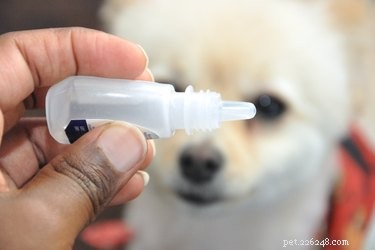
Use sterile saline solution to remove any debris or foreign objects in the eye. Besides flushing the eye, this may help the dog feel more comfortable.
Step 5
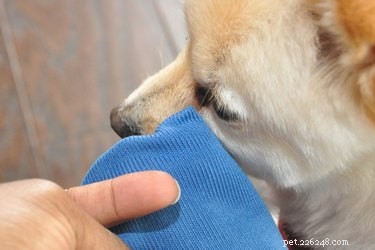
Apply a warm compress to the outside of the dog's eye. This may help soothe her and make any treatment go more smoothly.
Always check with your veterinarian before changing your pet’s diet, medication, or physical activity routines. This information is not a substitute for a vet’s opinion.
- Pet Behavior
- Pet Breeds
- Pet Names
- Pet Adoption
- Pet Training
- Pet Information
- Pet Health
- Adorable Pets
- Dogs
- Senior Dog Care: Expert Tips for a Healthy Golden Age
- DIY Dog Eye Patch: A Safe, Step‑by‑Step Guide
- Caring for an Incontinent Dog: Practical Tips & Essentials
- Comprehensive Guide to Caring for Your Schnoodle: Nutrition, Grooming & Health Tips
- Essential Care Guide for Blind Dogs: Safety, Comfort, and Communication
- Caring for Your Dog During Heat: Expert Tips & Safety Guidelines
- Essential Guide to Caring for Your Dog