

Essential Biannual Wellness Exams for Senior Dogs
While we know you don’t want to hear it, your senior dog needs a twice-yearly veterinary well-visit. “There are many health issues that can be treated if detected early,” Dr. Taylor says.
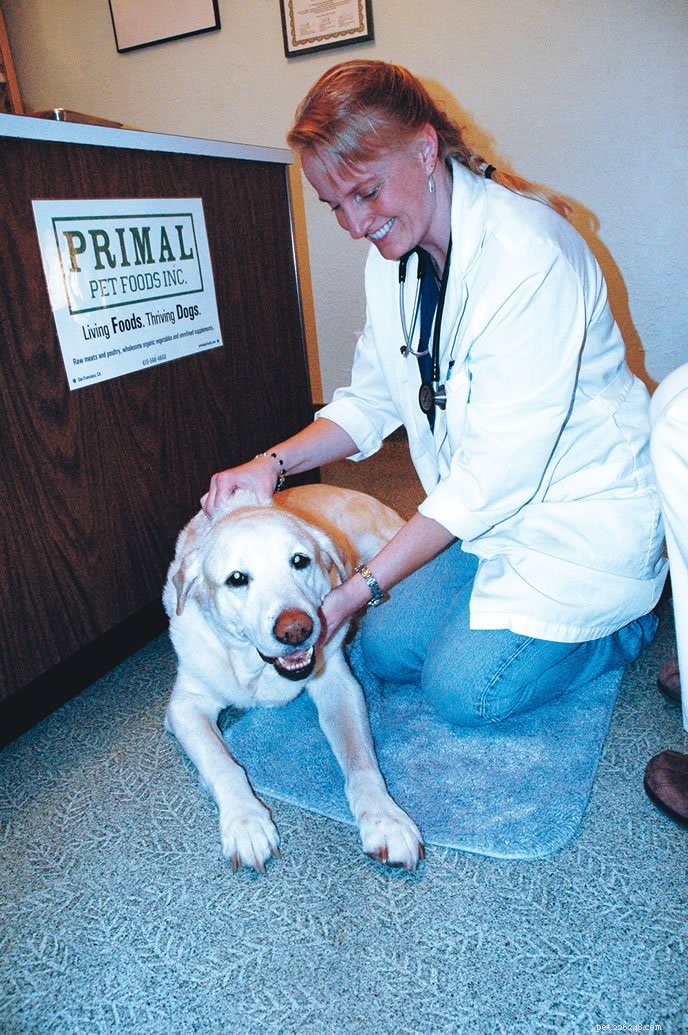
Yes, vet visits are expensive and have the potential to get even more costly. But early detection is the most cost efficient and safest for your dog. If money is a concern, discuss financial matters with your veterinarian at the start. Most veterinarians will work with you.
During these visits, report unusual behaviors that might indicate the start of a problem, such as changes in mental processes, unusual barking/agitation/aggression, decrease in appetite, changes in activity, soreness, increased thirst, incontinence, hair-coat differences and so on. Anything different should be reported. No need to give the vet a long story; just state what you’ve observed: “I’ve noticed a few accidents in the house.”
At the wellness exam, your veterinarian will look at your pet’s ears, eyes, and mouth. Typical old-dog problems like cataracts can be found and treatment options can be discussed. Dental problems are huge. Chronically inflamed gums set the stage for many other health issues, such as heart trouble. If you don’t brush your dog’s teeth, this check is critical to your dog and your wallet.
Your vet will palpate your dog for any unusual lumps or pain issues, but let him know if you’re concerned about a certain area.
If your vet hears anything unusual when listening to your dog’s chest and abdomen, he may recommend a radiograph or ultrasound to get a closer look.
If your dog has an extensive vaccination history, he shouldn’t need more vaccinations in his senior years. If your veterinarian is concerned, consider asking for a vaccine antibody titer test, so you can confirm that your dog has adequate immune protection and prevent vaccinating him unnecessarily.
A geriatric-dog blood chemistry panel should also be done annually. Bloodwork, of course, can get expensive in the pinch of a needle, so discuss the tests with your veterinarian. However, be aware that some tests, like a complete blood count (CBC) will be considered mandatory.
For most dogs, a CBC and a basic chemistry panel will suffice. The chemistry panel will look at liver enzymes, calcium, phosphorus, glucose, blood urea nitrogen (BUN), creatinine, cholesterol, albumin, amylase, electrolytes, and thyroid function. Abnormal results indicate the need for further testing or a repeated test.
- Pet Behavior
- Pet Breeds
- Pet Names
- Pet Adoption
- Pet Training
- Pet Information
- Pet Health
- Adorable Pets
- Dogs
- How to Tell the Difference Between a Tick and a Wart on Your Dog
- Unexplained Dog Bruising: Key Diseases and When to Seek Veterinary Care
- 10 Cat Behaviors That Demand Immediate Vet Attention
- Caring for a Shepherd Mix Who Ate Pin Cushion Pins: My Emergency Vet Visit
- 22 Urgent Signs That Call for Immediate Veterinary Care
- A Gentle Guide to Preparing Your Dog for a Stress-Free Vet Visit
- 3 Simple Steps to a Stress‑Free Vet Visit for Your Dog & You