

Understanding and Treating Hair Loss in Pomeranians: Causes, Symptoms, and Solutions
Pomeranians have lush double coats, with a long coarse outercoat flowing over a soft dense undercoat. This toy dog's characteristic fluffy fur is highlighted by his signature plumed tail and a fur frill extending over his shoulders. It can be particularly troubling if your Pom starts to lose his hair. A bald Pomeranian or a hairless adult Pomeranian is disconcerting — alopecia in Pomeranians is often the cause. However, thin coats on puppies are normal.
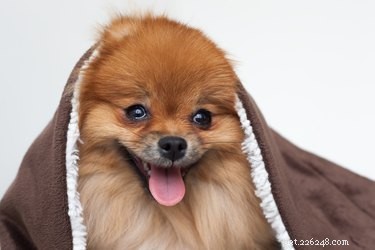
Grooming and shedding
The American Kennel Club recommends brushing your Pom's coat twice a week to keep it in good shape. If you brush the coat more often, or have it trimmed to the undercoat, you run the risk of causing excess hair loss due to overgrooming. Don't cut a Pomeranian's fur short. Shaving a Pom's coat down might seem like a good idea at the time, but you run the risk it will never grow back with the same fullness.
Of course, any dog is going to shed, and double-coated dogs such as the Pomeranian tend to shed a lot. Twice a year, your Pom will "blow his coat," meaning the thick undercoat is shed over several weeks. This happens more in climates with severe seasonal temperature shifts. An indoor dog without these climate cues usually sheds equally throughout the year.
Bald Pomeranian puppies
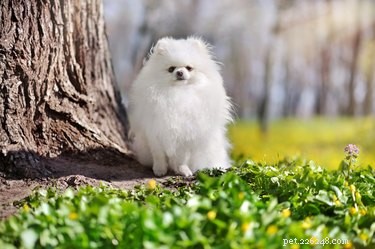
Pomeranians go through a stage in the first year of life called puppy uglies, when their fluffy puppy coat is shed. It might look as though there's something wrong with your puppy, but the scraggly coat is normal at this age. Eventually, the Pom's adult fur grows in, but first he must go through an awkward stage of sporting thin wispy hair. Typically, this will last a few months, from the time they're 4 months old until 6 months old.
Note that grooming a Pomeranian is important at this young age. Brush the puppy carefully and frequently with a soft brush to remove dead fur and help stimulate blood circulation to encourage new hair growth. Washing at least every three weeks at this stage is a good idea to remove excess oils and prevent clogged pores. Use a quality dog shampoo specifically formulated for young Pomeranians.
Alopecia in Pomeranians
Alopecia X is mild to severe hair loss with no known cause, and it's one of the few hair health issues that can plague Pomeranians. Vets also call this adult onset growth hormone deficiency, while breeders often dub it black skin disease. It's also referred to a hair cycle arrest or coat cycle arrest.
Alopecia in Pomeranians is abnormal hair loss and can occur when the dog is between 1 and 10 years old. It might happen after the puppy ugly stage when, instead of the adult coat growing in, the dog loses more fur due to genetics, thyroid dysfunction, adrenal dysfunction, or skin parasites. It sometimes involves his skin pigment changing color as well. Otherwise, there are no symptoms that identify the condition.
Other causes of hair loss in Pomeranians
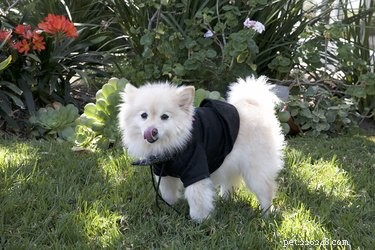
Hair loss can also go hand in hand with depression, changes in eating, and drinking habits or liver or kidney problems. If you suspect any health issues or notice a change in your Pom's behavior, consult a veterinarian immediately.
- Pet Behavior
- Pet Breeds
- Pet Names
- Pet Adoption
- Pet Training
- Pet Information
- Pet Health
- Adorable Pets
- Dogs
- Understanding Prednisone-Related Hair Loss in Dogs: Causes, Risks, and Management
- Understanding and Treating Snout Hair Loss in Dogs
- Understanding Dachshund Hair Loss: Causes, Symptoms, and When to See a Vet
- Understanding and Treating Hair Loss in Chihuahuas
- Understanding and Managing Hair Loss in Labrador Retrievers
- Understanding Dog Hair Loss: Causes, Symptoms, and When to Seek Help
- Understanding Cat Hair Loss: Causes, Diagnosis, and Treatment