

How Cranberry Supplements Help Prevent Urinary Tract Infections in Dogs
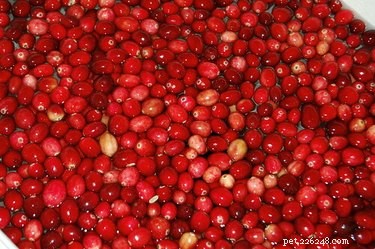 Cranberries for urinary tract health
Some dogs, particularly females, can be prone to urinary tract infections. These can be just as uncomfortable for dogs as they are for people, and prevention is the key. Cranberry on a regular basis can prevent the bacteria that cause urinary tract infection.
Symptoms
Symptoms of a urinary tract infection are painful urination or frequent urination, odorous urine and blood in the urine.
Dosing
Dogs will typically not drink cranberry juice, so giving tablets or capsules is the next best option. Give one 400-mg capsule per 20 pounds of dog each day. If the dog is less than 20 pounds, cranberry tablets can be purchased and then broken in half or fourths.
Significance
Roughly 3 percent of dogs suffer from urinary tract infections. Those who get one once are more prone to re-infection, which is why a daily cranberry supplement can be so useful.
Considerations
Most dogs are given antibiotics to initially kill urinary tract infections, but subsequent daily use of cranberry can help prevent them from returning.
Warning
At the first sign of a urinary tract infection, it is important to get the dog to a veterinarian. The bacteria from a urinary tract infection can travel to the kidneys if left untreated.
Always check with your veterinarian before changing your pet’s diet, medication, or physical activity routines. This information is not a substitute for a vet’s opinion.
- Pet Behavior
- Pet Breeds
- Pet Names
- Pet Adoption
- Pet Training
- Pet Information
- Pet Health
- Adorable Pets
- Dogs
- Effective Home Remedies for Treating Your Dog’s Urinary Tract Infection
- Safe Natural Remedies for Treating Dog Urinary Tract Infections
- Effective Clavamox Dosages for Treating Canine Urinary Tract Infections
- Recognizing Urinary Tract Infection (UTI) Symptoms in Dogs: What to Look For
- Urine Acidifiers for Dogs: Safe Use, Benefits, and Precautions
- Trusted Home Care: Treating Your Dog’s Urinary Tract Infection
- Preventing & Treating Urinary Tract Infections in Dogs: A Comprehensive Guide