

Understanding Excessive Licking in Dogs: Causes, Symptoms, and Solutions
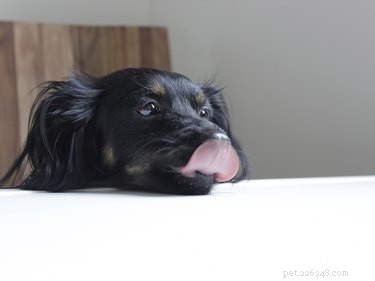
Does your dog greet you with a slobbery kiss as soon as you come in the house? While licking people and objects is generally a normal dog behavior, compulsively licking anything in sight can signal another problem, like anxiety, boredom or a health issue. Talk to your vet any time your dog exhibits strange or unusual behaviors to identify underlying issues that need attention.
Normal Licking
Dogs smell and lick people and other animals as a way of investigating their surroundings and as a way to greet and show affection. Your dog may lick household surfaces like kitchen floors or tables or other furniture where he's successfully found food crumbs in the past. Wash the surfaces your dog seems to lick the most with a pet-safe cleaner to remove residual food particles. Reward your dog when he refrains from licking to reinforce his good behavior.
Attention-Seeking Licking
You may have inadvertently conditioned your dog to lick by giving him attention when he licked you or gave you "kisses," making him think that licking is a good thing. Set up a camera, or observe your dog without his awareness you're there to see if he exhibits the same behavior when you're not around. If he doesn't, you'll need to recondition him and stop his licking. For example, don't give him attention when he licks you; when he starts licking inappropriate things, give him a chew toy to redirect his attention.
Anxiety Disorders
A dog who licks excessively may be bored or suffering from anxiety. He may lick floors, walls, furniture, bedding or other unsuitable objects. He might lick himself, even to the point of developing sores. Your vet can help you narrow down potential underlying causes of the behavior by asking about stressors in your dog's life. If your dog is left alone all day, he may get lethargic and depressed; if a new pet has joined the household, the existing one may become anxious. Change the way you interact with your dog by praising non-licking behaviors and giving him more exercise and attention to help curb the unwanted behavior.
The Pica Problem
Pica is the act of eating nonfood items. It can result from a lack of appropriate nutrients in a diet or from boredom or anxiety. Some dogs lick compulsively at nonfood items and then eat them, so if your dog has a combination disorder, give your vet specific details. In particular, note whether he's attracted to eating certain things like soil, garbage, rocks, toys or other household items.
Health Issues
It's possible that a medical problem has triggered your dog's licking. According to veterinarian Valarie V. Tynes, nausea can trigger excessive licking. A dog with an upset stomach may lick different things to try to make the sensation go away. Nausea can result from a change in diet or as a side effect of medication. It can also be a sign of an undiagnosed medical problem like liver disease, bowel or adrenal gland problems, a nervous system disorder or even dental problems or parasites. Provide your vet a list of foods, meds and supplements your dog is taking and explain how long the behavior has been going on. Your vet will want to know what you've tried to stop the problem -- like redirecting attention -- to help determine the underlying cause and recommend appropriate treatment.
Always check with your veterinarian before changing your pet’s diet, medication, or physical activity routines. This information is not a substitute for a vet’s opinion.
- Pet Behavior
- Pet Breeds
- Pet Names
- Pet Adoption
- Pet Training
- Pet Information
- Pet Health
- Adorable Pets
- Dogs
- Why Your Dog Licks Your Feet: Understanding Their Behavior
- Understanding Why Your English Bulldog Keeps Licking Everything
- Why Does Your Dog Follow You Around the House? Key Reasons Explained
- Understanding Your Dog’s Persistent Licking: Causes & Solutions
- Understanding Why Your Dog Eats Non-Food Items and How to Stop It
- Understanding Why Dogs Lick the Ground: Key Causes & What It Means
- Why Does My Dog Lick My Legs? Decoding the Love and Signals Behind the Behavior