

Adult Dog Tooth Loss: Causes, Diagnosis, and When to Seek Veterinary Care
Loss of teeth in adult dogs is never normal and usually indicates a serious problem such as an injury or illness. If you find yourself saying my dog's teeth are falling out, or if you are wondering why your adult dog is losing teeth, it's time to make an appointment with a veterinarian. Early assessment and treatment are key to ensure the problem doesn't get worse. There are a few common reasons for tooth loss in adult dogs.

Accidents causing injury
Loss of teeth in adult dogs is sometimes the result of injury or trauma. For example, an accident in which your dog hits his mouth or head — such as in a car accident — can result in teeth becoming loose and eventually falling out. If you have a curious dog who thinks chewing rocks is a fun pastime, this could lead to teeth loss.
Dog teeth cleaning
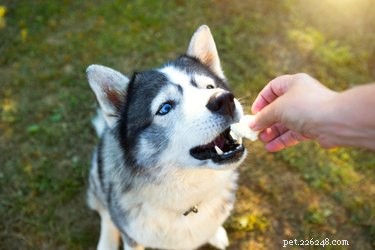
Poor oral hygiene can lead to tartar accumulation, which can progress to periodontal disease if left untreated. Periodontal disease is a common cause of teeth loss in adults, as periodontal disease will cause infections, abscess formation and bone loss, which in turn will cause teeth to become loose and fall out. Periodontal disease can be prevented with good oral hygiene. This means getting your dog used to tooth brushing, as well as using hard chews that will help prevent the formation of plaque. If plaque is present, your vet can get rid of it with a deep cleaning and polishing. This will prevent more serious problems, including the loss of more teeth.
Diseases that cause tooth loss
Metabolic disorders or a poor diet can lead to tooth loss over time. For example, malnutrition, distemper, and a number of other traumas suffered when your dog is a puppy can lead to abnormal development of the teeth and tooth enamel. This results in weaker teeth that are more prone to plaque and decay.
Extraction of baby teeth
Keep in mind that your dog might be an adult but the teeth you see falling out could be his deciduous or baby teeth. Although baby teeth are supposed to fall out on their own, this doesn't always happen, and it can lead to overcrowded and misaligned teeth once the adult teeth come in. Your vet can examine your dog to make sure all deciduous teeth are gone. If they're not, your vet can remove them while your dog is getting spayed or neutered, because tooth extraction needs to be done under general anesthesia.
Dog breeds with bad teeth

Certain dog breeds are prone to develop dental problems, or simply just have "bad teeth". Examples of these breeds include: Collies because they are prone to dentition problems, such as overbites, due to their lower jaw being short; short-snouted breeds like pugs, Shih Tzus, or Boston terriers; Yorkies and other small toy breeds like Pomeranians; Chihuahuas, dachshunds and boxers. Small dogs in general seem to have more dental and periodontal problems.
When in doubt, get tooth loss checked out — by a veterinary professional.
- Pet Behavior
- Pet Breeds
- Pet Names
- Pet Adoption
- Pet Training
- Pet Information
- Pet Health
- Adorable Pets
- Dogs
- Why Your Dog Might Be Gagging: Causes and How to Help
- What Causes Dogs to Chatter Their Teeth? A Trusted Guide
- Understanding Cat Tooth Loss: Causes, Signs, and Care
- Understanding Dog Hair Loss: Causes and Solutions
- Top Reasons Your Dog May Be Losing Weight (and How to Address Them)
- Understanding Dog Coughing: Causes, Symptoms, and When to Seek Veterinary Care
- Why Does My Dog Keep Sneezing? Vet Insights & Home Care Tips