

Stop Your Dog from Biting Its Tail: A Comprehensive Guide
If your dog is chewing his tail raw, you not only need to treat the wound on the tail but also stop the tail biting. There are many reasons your pup may be biting his tail, so the first step is a trip to the vet to check for medical causes. Then, take steps to break the tail-biting habit so you can have a healthy and happy dog.
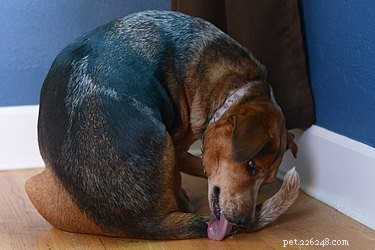
Tail biting may also occur if your dog has a problem with his anal glands, such as impaction. Your vet can express the anal glands, which may resolve the problem. Your dog may also be chewing his tail as a response to pain. Injuries may occur from wagging his tail against the wall repeatedly or getting his tail stuck in a door or crushed under a chair leg. Your vet can determine the severity of the injury and the best treatment options.
Reasons a dog is chewing his tail raw
If your dog is still biting his tail after you have ruled out or treated any underlying conditions, it is time to consider other potential reasons for the behavior. Anxiety and boredom are common reasons for tail biting. Your dog may have learned that chewing on his tail is a behavior that gets him attention, or he may have a compulsive disorder.
Modify his behavior with some training and by ensuring he is getting sufficient exercise and mental stimulation. Some dogs need more exercise than others, so adding another daily walk or game of fetch can help to burn off excess energy. You can add more mental stimulation in the household by offering a Kong stuffed with treats or getting a food puzzle for his meals.
Obedience training can also be helpful. A command, like "leave it," can be used when you catch your dog chewing his tail. You can also run through simple commands, like "sit" and "down," to help redirect his attention from the behavior. Don't punish your dog for chewing his tail, as this can increase anxiety and make the problem worse. Also, avoid affection while he is tail chewing, as he may see this as a reward for the behavior.
Treating compulsive disorders
While these steps can be helpful, if your pup has a compulsive disorder, they may not be enough to fully stop tail chewing. Consult your veterinarian to determine the best steps to take for a compulsion disorder. Your vet may prescribe a medication to help manage the disorder or suggest that you work with a behaviorist to manage your pup's challenging behavior.
Treat tail wounds
If your dog is biting her tail until it bleeds, treatment is necessary to ensure the wound heals. Talk to your vet to evaluate the severity of the wounds and the best treatment option. Often, keeping the raw skin clean and preventing your dog from reopening the wound is sufficient.

Your vet may recommend an anti-bacterial ointment and wrapping the tail as well. Your dog may need to wear an Elizabethan collar until the tail is fully healed to keep your dog from licking the wound.
- Pet Behavior
- Pet Breeds
- Pet Names
- Pet Adoption
- Pet Training
- Pet Information
- Pet Health
- Adorable Pets
- Dogs
- Stop Your Dog from Biting Its Tail: Proven Techniques & Tips
- Effective Ways to Prevent and Correct Dog Biting Behavior
- Stop Your Dog From Eating Manure: Proven Solutions & Prevention Tips
- Effective Ways to Stop Your Dog From Eating Poop
- Effective Ways to Stop Your Dog from Play Biting
- Prevent Dog Bites: Proven Strategies for Owners and Caretakers
- Effective Strategies to Quiet a Barking Dog: A Proven Guide