

How to Keep Your Dog Cozy This Winter: Simple Dog House Tips
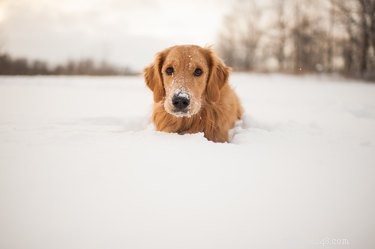
When it comes to protecting your dog from cold weather, keep in mind that dogs use fat and fur to keep themselves warm. What a dog house should ensure is that your pet stays dry, as wet fur and cold air are a bad mix for dogs. You don't need to be a master carpenter to build a dog house your pet will love, in cold or warm weather, using these winter dog house ideas.
Cold and dogs
Dogs have evolved physiologically based on the climate from which they came. For example, dogs in cold, northern climates have heavier coats. Think of Huskies. Dogs from warmer climates have less fur. Think of Chihuahuas. A dog's behavior is also tied to where he comes from.
Still, when temperatures plummet and dogs are left outside for long periods while not moving, they can suffer from hypothermia. A wet dog and wind are an even more deadly combination. This is why it's important that your dog's house protects it from both of these elements.
Insulate the house
If possible, add insulation to the dog house. If you're worried about your dog chewing or resting against toxic materials and you don't care about the aesthetics of your house, insulate the house from the outside.
If the house is made of wood, you can cover the exterior with a layer of building wrap, then place facia board, siding or another material over that, giving you a weatherproofed, attractive house. If possible, look for a removable wrap, affixed with tape or staples, that comes off in the summer so air can get in and out of the house to help keep it cool.
Make sure you research any insulating materials you plan to use, including sending the specs to your vet. If you're using insulation on the inside of the house, cover them with a non-chewable material.
A quick DIY insulation can include carpeting or other heavy cloth you hang on the walls, which can be removed during warm weather.
Make sure you keep the floor covered so cold from the ground doesn't penetrate. Cardboard on top of plastic, covered with pads, a blanket or other soft material, can do the trick. Better yet, consider elevating your dog's house off the ground a few inches, especially if it's on a cement slab. Add a large blanket or comforter your dog can pull over itself when it's time to be down for the night.

Pour water over it
After you're satisfied your dog house is ready to go, take a hose and give it a good soaking so you can look for leaks. Let the hose run for several minutes to make sure the house will be as watertight as possible. Immediately inspect the house for water. Come back 15 minutes later or so to look for any slow leaks the house might have.
Make sure the roof is sloped, not flat, so water, melting snow and ice run off the roof, rather than pooling and sitting there, looking for a place to move downward.
Make a snug doorway
Consider covering the door with a flexible piece of material your dog can move easily when entering and exiting the house, but which will help keep the wind out of the house. You might even consider a doggie door, with or without an electronic sensor that opens the door when your dog approaches.
A completely enclosed dog house will help retain more of your dog's body heat. For this reason, make sure you can remove whatever doorway you put on the house during warm months to help keep it cooler.
Watch where you place it
Look at the area around your dog house and ask, "What's wrong with this picture?" Is any part of the house near or under part of the roof of your house, a garage or other structure? That might allow rain or snowmelt runoff to drop onto your pet's house. If you place the house in between your house and a solid fence, it might be sitting in a wind tunnel. If you know the wind blows from a specific direction, place the door facing the opposite direction.

Beware of chewing
Dogs love to chew, especially when they're nervous or restless. Consider the materials you have used to build and insulate your house and look to see if they are easily chewed. If so, remove or adequately cover parts of the house that might make your dog sick. After your dog's been residing in the house for a while, do an inspection to look for chewing.
Consider heating sources
Adding a dog house heater, a heating pad for dog houses or a heated dog bed to a dog house can be costly and dangerous to pets and kids. Consider adding a heating element as a last resource.
In addition to making sure the heating element stays dry in the dog house, ensure that any cords and plugs remain safe from dogs, squirrels or other animals that might chew them. Make sure your dog can't be burned if it comes into contact with a heater.
Always check with your veterinarian before changing your pet’s diet, medication, or physical activity routines. This information is not a substitute for a vet’s opinion.
- Pet Behavior
- Pet Breeds
- Pet Names
- Pet Adoption
- Pet Training
- Pet Information
- Pet Health
- Adorable Pets
- Dogs
- DIY Solar Dog House: Build a Safe, Eco-Friendly Shelter
- Complete Guide to Eradicating House Fleas—Safe, Effective, Lasting Results
- Effective Home Remedies to Eliminate Fleas and Mites from Your Living Space
- Keep Your Outdoor Rabbits Warm and Safe This Winter
- Winter Play: Safe, Fun Ways to Keep Your Dog Active Indoors
- Healthy Weight Gain for Dogs: Expert Tips for Safe and Effective Results
- Safe Guide: How to Induce Vomiting in Dogs After Accidental Ingestion