

What Is the Best Collar or Harness for My Dog? Expert Guide for Milwaukee, Racine, and Kenosha County Owners
Choosing the right leash, collar, or harness is a critical decision for every dog owner. In the Milwaukee, Racine, and Kenosha counties, many pet parents want to keep their dogs safe, comfortable, and easy to manage on walks. Below is a professional, evidence‑based look at the most common options and how to decide which is best for your dog.
1. Basic Buckle Collar
For well‑trained dogs that walk politely on a leash, a standard buckle collar provides a simple, reliable solution. It keeps the dog’s head and neck aligned, allowing for balanced movement without excess pressure. Ideal for everyday walks and casual training sessions.
2. Martingale Collar
When a dog is prone to pulling or gets distracted by squirrels, other dogs, or even wind‑blown leaves, a Martingale collar offers gentle corrective pressure. A quick, firm pull on the leash tightens the collar, guiding the dog back to the owner’s side while still allowing freedom of movement. This type is especially useful for training and for dogs that frequently pull.
3. Harness
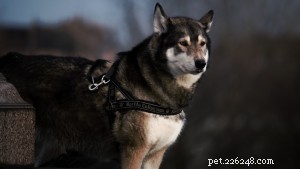
Dogs with flat or pushed‑in faces—such as Bulldogs, French Bulldogs, Pugs, or any breed with respiratory sensitivity—benefit from a harness. Harnesses distribute pressure evenly across the chest and shoulders, reducing strain on the neck and throat. They are also effective for high‑pull breeds like Greyhounds and sight hounds. We recommend the EZ Walk front‑clip harness for its comfort and ease of use.
4. Night Visibility
Walking at night requires extra safety. Reflective collars or reflective tape added to any collar type dramatically improve visibility for both dog and owner. For added protection, consider a reflective vest. These features help prevent accidents and keep you and your pet visible to drivers and pedestrians.
No matter which collar or harness you select, ensure it matches your dog’s energy level and your own comfort. Clear communication—telling your dog where to go, how fast to walk, and when to pause—remains the cornerstone of a successful walking experience.
Share This Story, Choose Your Platform!
- Pet Behavior
- Pet Breeds
- Pet Names
- Pet Adoption
- Pet Training
- Pet Information
- Pet Health
- Adorable Pets
- Dogs
- Unleashed Dog Sparks Violent Clash in Harbin After Scaring a Child
- Norwegian Forest Cat: Breed Profile, Care Tips, and Fascinating Facts
- How to Spot When Your Cat Is in Heat: Essential Signs & Tips
- Why Dogs Love to Cuddle: The Science Behind the Snuggle
- Do All Dogs Like Walks? Understanding Your Dog’s Exercise Needs
- Vegan Voyagers: Road‑Tripping with 5 Cats & Living Their Dream
- Pet Emergency Preparedness: A Comprehensive Guide