

Dry and Crumbly Dog Poop: 7 Common Causes and How to Address Them
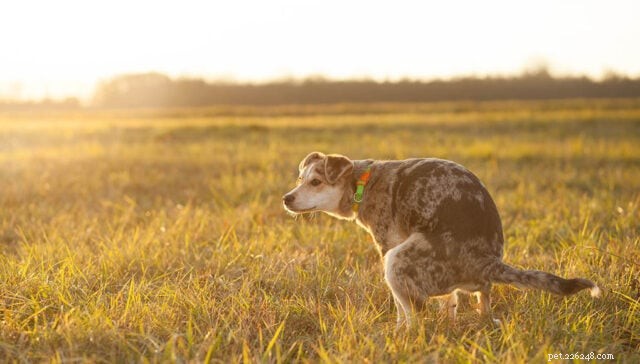
Have you recently noticed dry or crumbly stool from your dog?
Just like a dog’s gums, their poop can offer valuable clues about overall health. Observing stool changes can help you spot potential issues early.
This article outlines the most frequent reasons behind dry, powdery, or crumbly stools and provides practical steps to correct them.
RELATED: The Ultimate Dog Poop Color Chart (with 9 Pictures!)
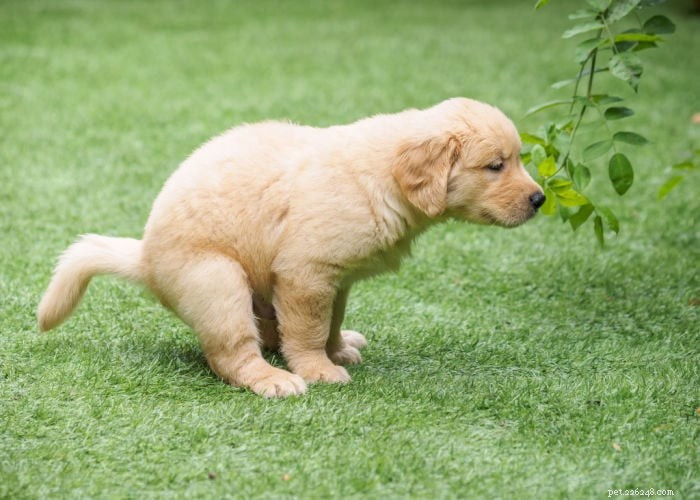
Here are the key reasons why a dog’s poop may become dry, powdery, or crumbly:
1. Constipation
When a dog struggles to pass stool, it can result in hard, pebble‑like feces. Constipation is common in growing puppies and often stems from dehydration or insufficient fiber.
Typical signs include infrequent or painful defecation and stools that feel dry to the touch.
Causes are usually grouped as follows:
- Intraluminal – Partial or complete colon blockage, often from indigestible material.
- Extraluminal – External obstructions such as tumors or fractures.
- Intrinsic – Neuromuscular disorders ranging from nerve injury to systemic disease.
If constipation is suspected, increase dietary fiber and ensure plenty of fresh water. For persistent cases, consult your veterinarian.
RELATED: Home Remedies for Dog Constipation
2. Dehydration
Dehydration reduces water content in the colon, leading to dry, powdery stools. Common indicators include lethargy, a dry mouth or tongue, sunken eyes, and visibly dry feces.
Causes range from illness and excessive urination to overexertion or heat exposure. Daily access to clean water is essential.
RELATED: How To Tell If Your Dog Is Dehydrated?
3. Intestinal Blockage
Dogs may ingest foreign objects—garbage, hair, insect bait, or even pacifiers—that lodge in the intestines. A blockage prevents normal passage of food and waste, often producing dry, hard stools.
Untreated obstructions can be life‑threatening, as they stop the flow of nutrients and fluids. Seek immediate veterinary care if you suspect a blockage.
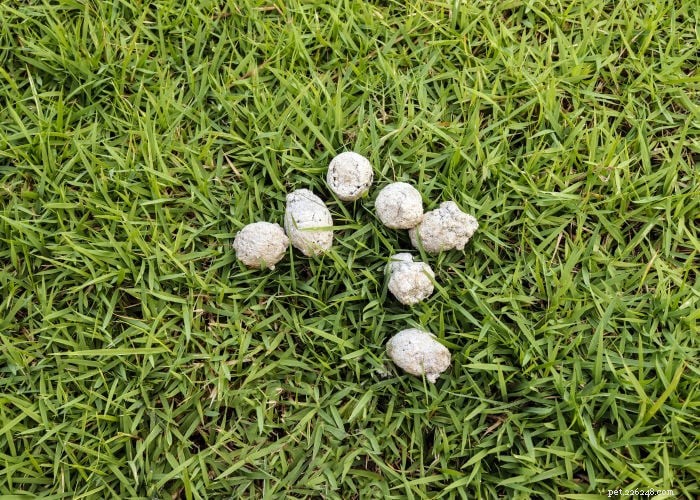
4. Excessive Self‑Grooming
Heavy licking or shedding can introduce large amounts of hair into the digestive tract, making feces appear dry and crumbly. Regular bathing and grooming can reduce the need for constant self‑care.
5. Lack of Exercise
Physical activity stimulates the gastrointestinal tract. A sedentary dog that also drinks little water may produce dry, hard stools. Routine exercise supports healthy digestion and helps prevent prolapse.
RELATED: How Much Exercise Should My Dog Get?
6. Stress
Stress or anxiety can cause dogs to delay defecation. The longer the stool remains in the colon, the drier it becomes. Minimizing stressors and providing a calm environment can help maintain regular bowel movements.
RELATED: 20 Signs of Stress in Dogs [Infographic]
7. Medications
Many drugs—such as corticosteroids, NSAIDs, and iron supplements—slow gastrointestinal motility, leading to constipation. If your dog is on medication and shows signs of hard stools, discuss alternative treatments with your vet.
RELATED: 15 Safe Human Medications for Dogs
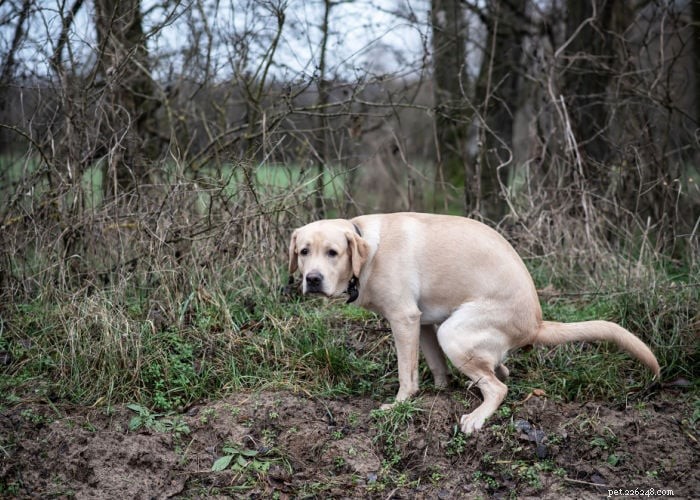
Dry Dog Poop: Frequently Asked Questions
When should I take my dog to the vet for dry poop?
If dry stools persist for more than two to three days, schedule a veterinary visit. Bring a sample for a fecal exam to identify underlying causes.
What does a healthy dog’s stool look like?
While individual variations exist, healthy stool typically:
- Is chocolate‑brown (unless diet colors it otherwise).
- Has a log‑shaped consistency.
- Matches the size of the food consumed.
- Feels firm but pliable, without mucus, grass, hair, or foreign matter.
Does dog diarrhea dry up?
In a healthy dog, mild diarrhea usually resolves within two to three days. Persistent diarrhea warrants veterinary evaluation.
Does water help a dog poop?
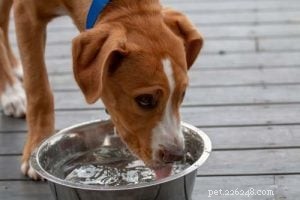
Yes—adequate hydration supports smooth bowel movements. Offer fresh water consistently and consider adding a small amount of low‑salt chicken broth to encourage intake.
How do I know if my dog has bowel problems?
Watch for these signs:
- Excessive drooling
- Constipation or diarrhea
- Vomiting
- Loss of appetite
- Abdominal pain or bloating
- Dehydration indicators
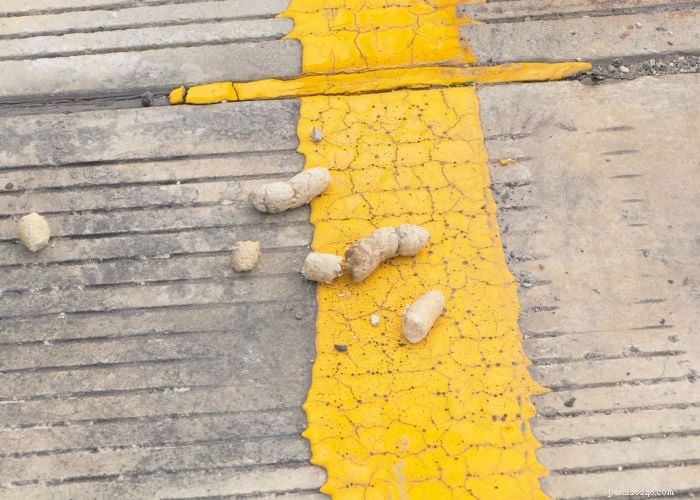
Why Understanding Your Dog’s Poop Matters
Stool analysis can be a simple yet powerful tool for early detection of health issues. Relying on reputable veterinary advice—rather than unverified internet remedies—ensures safe and effective care.
Wrapping Up Dry Dog Poop Problems
Dry, crumbly, or powdery stool can signal several conditions, with constipation being the most common. Other culprits include dehydration, intestinal blockage, excessive grooming, inactivity, stress, and certain medications.
If your dog struggles to defecate or continues to produce dry stools after two to three days, seek veterinary guidance to determine the root cause and appropriate treatment.
Related Articles
- Yellow Dog Poop: What Does It Mean
- Oily Dog Poop: What Does It Mean
- Green Dog Poop: What You Need to Know
- Pet Behavior
- Pet Breeds
- Pet Names
- Pet Adoption
- Pet Training
- Pet Information
- Pet Health
- Adorable Pets
- Dogs
- Caring for Dogs with Three Legs: A Comprehensive Post-Operation Guide
- Dorkie Dog Breed Profile: Origins, Size & Care Guide
- Bake a Dog-Friendly Cake: Healthy Ingredients & Safe Recipes
- Cows: Understanding Their Herbivorous Diet – Key Facts You Should Know
- Can Chickpeas Be Safely Added to Your Cat’s Diet? Vet-Backed Guidance on Benefits and Risks
- Is Your Dog Drinking Excess Water? Signs, Causes, and What to Do
- Why Dogs Shake: Understanding Shivering, Trembling & How to Help