

Foxtails Threaten Dogs: How to Spot, Remove, and Prevent These Dangerous Weeds
Picture your dog running freely across an open field—pure, unbridled joy. Yet, unseen threats can lurk in that same grass: foxtails.
What Is a Foxtail?
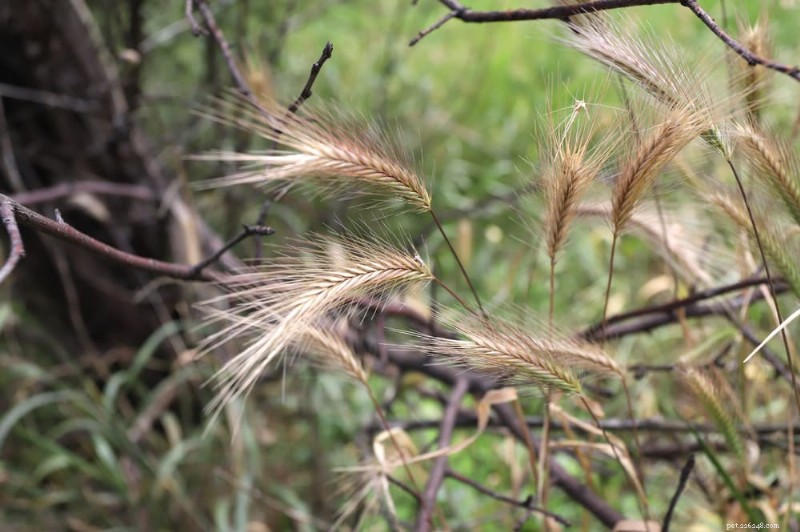
A foxtail is a hardy weed that crowns grasses with a tail‑shaped cluster of seeds, earning it its nickname. Common synonyms include Timothy, Grass Awn, June Grass, Cheatgrass, Bristlegrass, and Giant Foxtail.
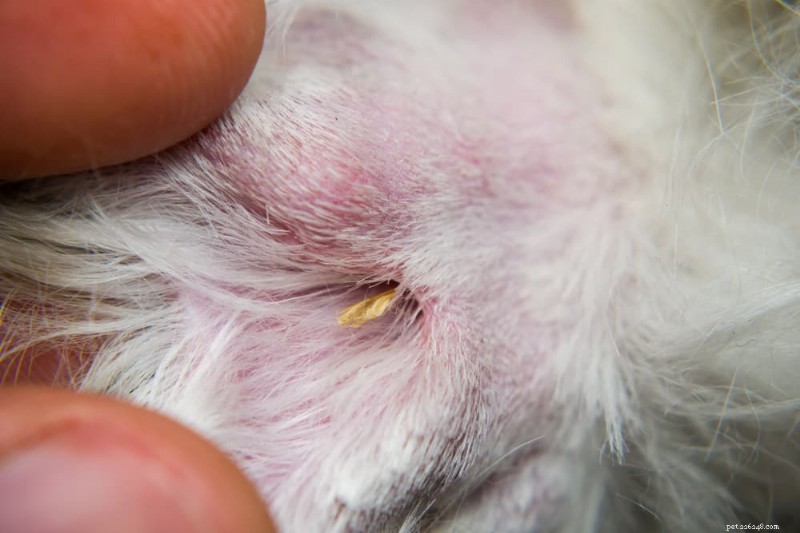
Each seed is armed with backward‑pointing barbs that latch onto fur, skin, or even internal tissues. Once embedded, the plant can become a conduit for bacteria and environmental debris, making removal difficult without professional care.
Foxtails thrive in the western United States but are now widespread across the country. They flourish along roadways, hiking trails, meadows, and any open grassland where dogs love to roam. Their life cycle starts in early spring, peaks in early summer, and wanes by winter.
Why Foxtails Are a Serious Threat to Dogs
When a foxtail lands on a dog, the barbed seeds can embed into the skin, noses, ears, eyes, or paws. Movement only deepens the penetration, and the plant never fully degrades once inside the body.
External burrows can lead to skin infections, abscesses, and chronic inflammation. Internal penetration—into the intestines or lungs—poses a risk of perforation, abscess formation, and respiratory distress. Untreated cases can be fatal.
Common Sites of Invasion
Foxtails most frequently lodge on:
- Eyes
- Nose
- Mouth
- Paws
- Ears
Given a dog's nose is constantly sniffing, the muzzle is a prime target, while paw pads are vulnerable to sharp tips.
Recognizing Foxtail-Related Symptoms
Signs vary by location:
- Nose: Snorting, head shaking, pawing, violent sneezing
- Eyes: Tearing, swelling, squinting, pawing, closed lids
- Ears: Head tilt, shaking
- Mouth: Gagging, refusal to eat, difficulty swallowing
- Paws: Swelling, limping, excessive licking or nipping
Infection indicators include:
- Foul odor
- Drainage or discharge (yellow, green, or bloody)
- Redness and swelling
- Abscesses
Systemic signs—such as lethargy, depression, and appetite loss—may follow if infection spreads.
Immediate Actions When You Find a Foxtail

Prompt removal is critical. If the foxtail has not yet burrowed deeply, use fine‑toothed tweezers or a comb to extract it. Clean the area with mild soap and water afterward.
Once a seed has penetrated the skin or is inside a cavity, seek veterinary care. Vets can employ endoscopic removal for nasal cases or surgical intervention for internal involvement. Post‑removal, antibiotics and anti‑inflammatory medications are typically prescribed.
Even if you manage a partial extraction, a vet exam ensures complete removal and addresses any secondary infection.
Prevention Strategies
Foxtails are ubiquitous, but the following practices can reduce risk:
- Post‑outdoor checks: Inspect head to tail, focusing on eyes, nose, ears, mouth, and paws.
- Avoid high‑risk areas: Limit trips to known foxtail zones, especially from spring through early fall.
- Maintain a clean yard: Regular mowing and weed removal keep foxtails at bay.
- Trim summer fur: Shorter coats make detection easier.
- Use a short leash: Keep dogs within controlled bounds.
- Protective gear: Consider vests, paw covers, or nose guards when traversing foxtail‑heavy terrain.
By combining vigilance with preventive measures, you can protect your canine companion from this silent, but potent, environmental threat.
- Pet Behavior
- Pet Breeds
- Pet Names
- Pet Adoption
- Pet Training
- Pet Information
- Pet Health
- Adorable Pets
- Dogs
- Calm Your Pets During Fireworks: Proven Strategies & Tips
- Do Dogs Actually Taste Cheese? A Scientific Look at Their Palate
- The True Value of Pet Dental Care: Why It’s Worth the Investment
- Gerbil vs Hamster: Which Pet Is Right for You?
- Essential Guide for Caring for a 10‑Week‑Old Puppy
- Rottweiler vs German Shepherd: Choosing the Ideal Family & Guard Dog
- 21 Pets Sporting Costumes That Outshine Yours