

Hemorrhagic Gastroenteritis (AHDS) in Dogs: Symptoms, Diagnosis, and Rapid Treatment
Hemorrhagic gastroenteritis—now more commonly referred to as Acute Hemorrhagic Diarrhea Syndrome (AHDS)—is a leading cause of sudden, bloody diarrhea in dogs. While its presentation can overlap with conditions such as parvovirus or pancreatitis, AHDS has distinct features and is most often seen in small‑breed dogs.
Although witnessing a pet suffer from bloody diarrhea and vomiting is alarming, prompt veterinary care dramatically improves the outlook. Most dogs that receive timely, aggressive treatment recover within a few days.
Read on to learn how to spot AHDS early, what veterinarians do to diagnose and treat it, and why rapid action is critical.
What Is Hemorrhagic Gastroenteritis in Dogs?

AHDS manifests as an abrupt onset of profuse, blood‑laden diarrhea, often in a dog that was otherwise healthy. The combination of severe diarrhea and significant blood loss can cause rapid dehydration and, if untreated, hypovolemic shock. Dogs typically also experience abdominal pain, vomiting, and a marked drop in appetite.
With prompt, intensive veterinary intervention—primarily intravenous fluid therapy and supportive care—most dogs return to normal within 3–5 days. AVMA guidelines recommend early hospitalization for aggressive treatment.
What Causes HGE in Dogs?

The exact trigger for AHDS remains unclear, but several hypotheses exist. A hypersensitivity reaction to bacterial toxins or certain dietary components has been proposed. Notably, studies have identified a strong association between Clostridium perfringens and affected dogs, mirroring its role in human food poisoning.
Other factors that may predispose a dog include sudden dietary changes, stress, and anxiety. Importantly, AHDS is not contagious.
Small and toy breeds are disproportionately affected, especially:
- Yorkshire Terrier
- Miniature Pinscher
- Miniature Schnauzer
- Maltese
- Dachshund
- Toy Poodle
- Bichon Frise
- Shetland Sheepdog
- Cavalier King Charles Spaniel
Young to middle‑aged dogs are most commonly seen in clinical settings.
HGE Symptoms in Dogs

AHDS is characterized by a sudden spike in bloody diarrhea that can develop within hours. Vomiting—often with blood—commonly precedes diarrhea. Other red flags include:
- Loss of appetite
- Abdominal pain
- Fever
- Dehydration
- Depression
- Shock or collapse
- Hypothermia
- Cool extremities
- Pale gums
Any of these signs warrant immediate veterinary evaluation. Untreated AHDS can lead to fatal dehydration and shock.
Diagnosing HGE in Dogs
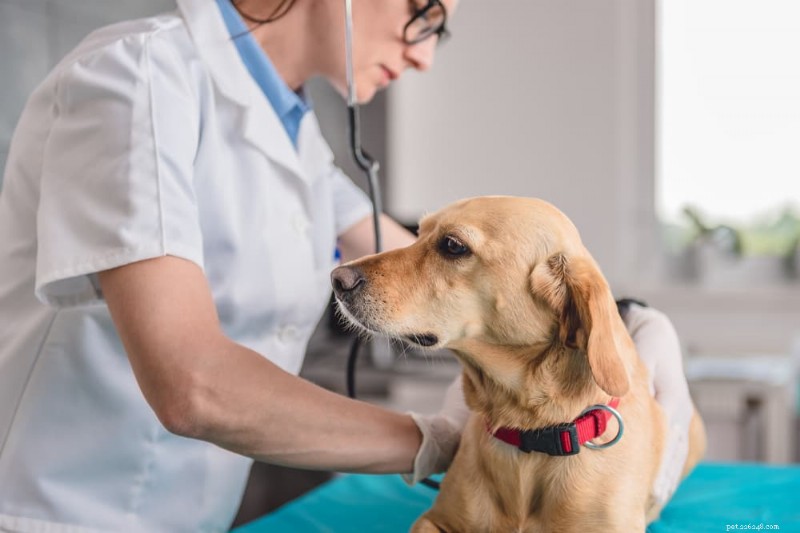
Diagnosis starts with a thorough physical exam and a detailed history. Common diagnostic tests include:
- Blood work – evaluates red cell count, protein levels, and electrolytes.
- Abdominal radiographs – rule out foreign bodies or obstruction.
- Parvovirus screening – eliminates a common differential.
- Fecal analysis – checks for parasites and bacterial overgrowth.
These tests help confirm AHDS and rule out other causes of bloody diarrhea.
HGE in Dogs Treatment

AHDS is a medical emergency. Without prompt care, dogs can rapidly dehydrate and enter shock due to blood loss. Veterinary treatment typically involves:
- Intensive intravenous fluid therapy to restore volume and electrolytes.
- Broad‑spectrum antibiotics to address potential bacterial involvement.
- Plasma or colloid infusions for dogs with significant protein loss.
- Medications to control vomiting, protect the stomach lining, and alleviate pain.
Medications

Key drugs include:
- Antiemetics (e.g., maropitant) given orally or IV.
- Gastroprotectants such as omeprazole or pantoprazole to guard against ulceration.
- Analgesics like buprenorphine for abdominal discomfort.
- Probiotics to rebalance the gut flora; often continued after discharge.
Post‑hospitalization, many owners transition to a low‑fat, easily digestible diet for several weeks. Some dogs benefit from a lifelong prescription diet, depending on recurrence risk.
Treatment Cost
Hospitalization and multi‑day care can range from $500 to $1,500, influenced by severity, length of stay, and supportive therapies required.
How to Prevent HGE in Dogs

Because the precise etiology of AHDS is still under investigation, definitive prevention strategies remain elusive. Ongoing research aims to clarify triggers and develop targeted prophylaxis.
Related Conditions
- Parvovirus
- Pancreatitis
- Histiocytic Ulcerative Colitis
- Salmonellosis
- Campylobacteriosis
- Pet Behavior
- Pet Breeds
- Pet Names
- Pet Adoption
- Pet Training
- Pet Information
- Pet Health
- Adorable Pets
- Dogs
- Choosing the Right Dog Coat: Understanding Shedding and Maintenance – Pet Tip 103
- Optimal Timing for Spaying or Neutering Your Dog: A Veterinarian’s Guide
- Exploring the Myth: Could Cats Really Dive Underwater?
- 9 Proven Natural Remedies to Safely Eliminate Fleas & Ticks from Your Dog
- Cardinal Feeding Guide: Best Foods, Backyard Feasts, and How to Attract Cardinals
- Write a Poem to Fund Bedford & Biggleswade Cats Protection – Enter Our Poetry Contest
- 22 Most Relaxed Dog Breeds: The Ultimate Couch Companion Guide