

Is Hydrogen Peroxide Safe for Cleaning Your Dog's Ears? Find Out!
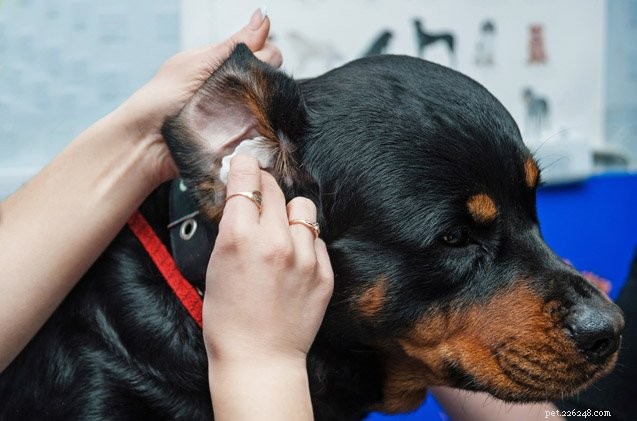
A common item in your medicine cabinet, hydrogen peroxide has a multitude of purposes. But is it safe to use when cleaning your dog’s ears?
A dog with big, floppy ears is the epitome of adorable. What many dog owners do not realize, however, is that a dog’s ears need a certain degree of care and attention, especially ears that are large and floppy. Because moisture can get trapped in the ears, dogs with ears that hang down are more prone to ear infections. Keep reading to learn more about keeping your dog’s ears clean and infection-free with common remedies like hydrogen peroxide.
This is a sponsored placement
Whether it’s an ear infection or a health issue that requires you to induce vomiting in your dog, sometimes hydrogen peroxide won’t do the trick – and you’ll still have to go to the vet’s office for your pet to be thoroughly examined. Vet bills can be a big expense for the family budget, which is why it pays off to have a pet insurance plan – precisely for situations such as this, that happen out of nowhere and require quick action to be resolved to the benefit of your four-legged best friend. If you are looking for an affordable but reliable plan, Lemonade Pet Insurance offers a basic accident & illness plan that covers 70%, 80%, or 90% of medical expenses for diagnostics, procedures, and medication, depending on the plan you pick, reducing the cost of vet care substantially. And not only that, but you can opt for an optional add-on that covers preventative health care such as wellness exams and vaccines if you want to make sure you stay ahead of any potential health issues down the road. The math is as follows – for instance, you’ll pay $29.50 each month for a 3-year-old Labrador in Texas, with 80% co-insurance, an annual limit of $20,000, and an annual deductible of $250. If you want to add the Preventative package, you’ll pay $45.50 each month. It really adds up – peace of mind is priceless, but it sure doesn’t hurt when you don’t have to pay big bucks to get it.
Is Hydrogen Peroxide Safe for Dogs?
When it comes to cleaning your own ears, you may have tried a home remedy using hydrogen peroxide or a store-bought solution made with peroxide. Before you do the same for your dog, however, you should take a moment to consider whether it is safe. If you ask three different veterinarians about the safety of using hydrogen peroxide on dogs, you might get three different answers. So, how do you decide whether to try it or not?
Before you do anything, you need to determine whether your dog’s ears are just dirty or whether he has an ear infection. It is not recommended that you use hydrogen peroxide in your dog’s ears if he is suffering from a serious infection or yeast build-up. If, however, your veterinarian confirms that your dog’s ears are simply dirty or that he has a mild bacterial infection, hydrogen peroxide might be a good option. Just be sure to check with your vet before you do anything.
How to Use Hydrogen Peroxide in Your Dog’s Ears
Once you determine that it is safe to use hydrogen peroxide in your dog’s ears, you need to learn how to do it.
- First and foremost, never use hydrogen peroxide straight out of the bottle – you need to dilute it first. Take equal parts hydrogen peroxide and water and stir them together.
- Take a clean cotton ball and dip it in the solution. Wring out any excess moisture then use the cotton ball to carefully wipe out the ear and the outer ear canal. Never use a q-tip or another pointed object because you could accidentally push it too far into your dog’s ear and cause damage to the ear drum.
- Once you’ve cleaned your dog’s ear, use a fresh cotton ball to wipe away any excess solution.
Now that you know how to clean your dog’s ears, it should be fairly easy to keep them clean. When you bathe your dog, be sure to keep his face and ears dry – if you need to clean his face, just use a damp washcloth. After your dog goes for a swim, check his ears and dry them with a cotton ball or a clean cloth as needed. Just remember not to use anything that could puncture your dog’s ear drum or cause him any pain.
Keeping your dog’s ears clean is fairly easy – just check them once a week and clean them as needed! If your dog does develop an ear infection, wait for your veterinarian to make a diagnosis before you do anything – depending what kind of infection it is, special treatment may be needed.
Is Hydrogen Peroxide Just For A Dog’s Ears?
In a few words, “No, it is not.”
According to the American Kennel Club, and a multitude of other resources, you can use hydrogen peroxide for your dog to induce vomiting if you need to. BE SURE TO CONSULT YOUR VETERINARIAN FIRST AND FOREMOST, though.
They’re your best resource. While in contact with them, this is what the AKC recommends:
- If your dog hasn’t eaten within the last two hours, giving him a small meal can make it more likely that he will vomit.
- Make sure you have a 3-percent hydrogen peroxide solution. Higher concentrations are toxic and can cause serious damage.
- Administer the proper amount: the suggested dosage is 1 teaspoon per 5 pounds of the dog’s body weight by mouth, with a maximum dose of 3 tablespoons for dogs who weigh more than 45 pounds. But ask your veterinarian about the best dosage for your dog and only induce vomiting if your dog ate the substance within 2 hours.
- Administer the dosage with a feeding syringe or turkey baster and squirt it from the side by pulling back his lips and squirting between his back teeth. You can also squirt from the front into the back of your dog’s tongue or mouth. Be careful not to let your dog inhale the substance, as this can lead to aspiration. If your dog doesn’t vomit within 15 minutes, you can give him a second dose.
- Stay with your dog while he vomits. Collect the vomit for your vet to analyze, and do not let your dog re-ingest the material.
- Keep an eye out for complications and adverse reactions, such as vomiting for more than 45 minutes, diarrhea, lethargy, bloat or gastric dilatation-volvulus (GDV), or gastric ulcers.
Again, it’s ALWAYS necessary to consult your veterinarian before inducing vomiting.
- Pet Behavior
- Pet Breeds
- Pet Names
- Pet Adoption
- Pet Training
- Pet Information
- Pet Health
- Adorable Pets
- Dogs
- Eliminate Dog Urine Stains & Odors with Hydrogen Peroxide – Quick, Safe Cleaning
- Grain-Free Pet Food: Benefits, Risks, and What Your Pet Really Needs
- How to Find a Loving Home for Your Dog After a Difficult Decision
- How to Find the Right Veterinarian for Your Dog
- Safe & Unsafe Christmas Foods for Your Dog: A Comprehensive Guide
- Choosing the Best Dog Food: A Vet‑Backed Guide for Your Furry Friend
- Be Your Dog's Champion: A Guide to Effective Advocacy