

Top 10 Safe Rawhide Alternatives for Dogs – 2024 Guide
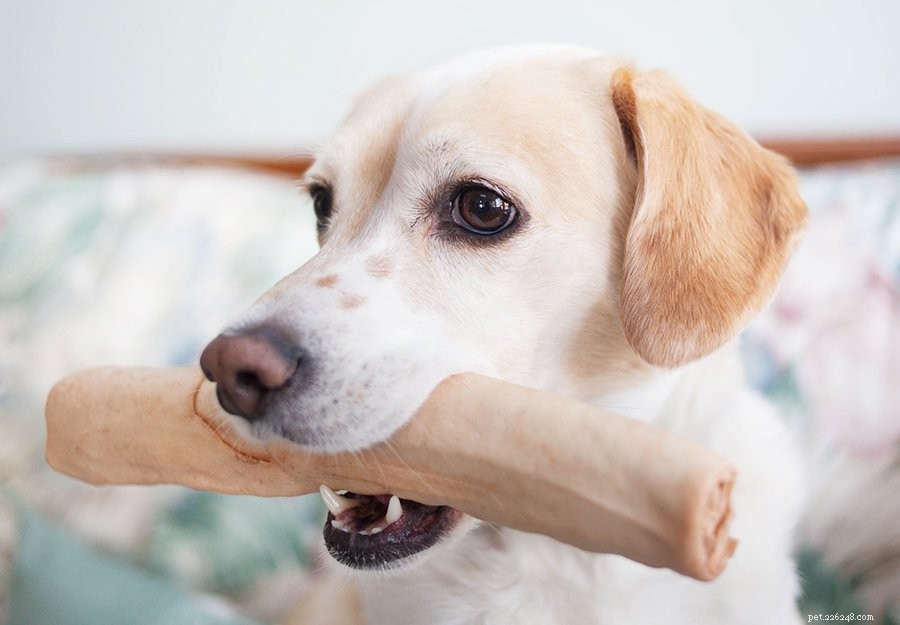
Keeping your dog’s teeth clean and their breath… tolerable, is easier when your dog has natural chews to remove bacteria and food that is hiding in between their teeth. Dog rawhide has long been touted as a superior dental cleaning chew, but concerns about the safety of the chews may have you looking for a safer rawhide alternative.
Rawhides are cheap, widely available, and long-lasting. We can’t deny the dental benefits of rawhide chews, but there are many concerns about the safety of feeding your dog these less-than-natural chews.
In this article, we will explain just how dangerous rawhides are, and how you can choose a safe rawhide alternative that will support your dog’s dental health
What is Rawhide?
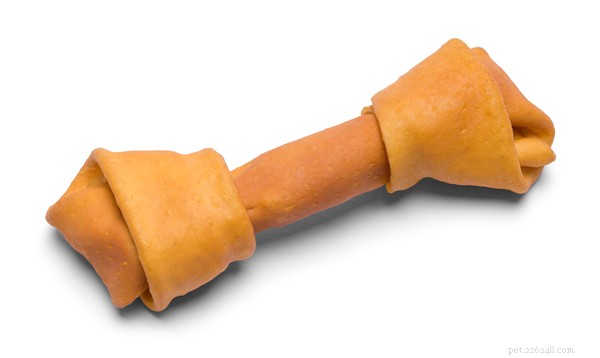
We all know what it is, but really, what is rawhide? Where does it come from? How is it made? These are all things that rawhide manufacturers rarely advertise.
Rawhide is made from the inner layer of skin or hide of an animal, typically a cow. They go through a manufacturing process similar to the outer side that is used to make leather. The same leather is used for furniture, purses, and belts.
The process of separating the inner and outer layers requires some harsh chemicals. Lye is also used to help remove hair, fat, and any other issues that are attached to the hide. This process already raises some red flags, and we are just getting started.
Once the rawhide is separated, a solution using hydrogen peroxide or bleach is applied to sanitize and whiten the hide. Whitening the hide is for our benefit, not our pets. We prefer the look of a clean crisp white rawhide to the yucky colour of its natural state.
From here the hides are flattened, cut, and shaped into a variety of rawhide styles. To make them more appealing to dogs (and to us), rawhide chews are often coated or painted with artificial flavouring and colours.
Does this sound like something that you want to feed your dog?
Why Is Rawhide Bad for Dogs?
If the variety of chemicals used to make dog rawhide chews isn’t scary enough for you, we have yet to even touch on the number one reason that rawhides could be dangerous for your dog: intestinal blockages.
We’ve heard countless horror stories of dogs choking or getting intestinal blockages from swallowing a large chunk of rawhide and having it get stuck somewhere along the digestive tract.
A blockage is life-threatening and will require expensive surgery to clear. In some cases, the blockage is caught too late, or the surgery is too risky for the blockage to be fixed in time.
Of course, many dogs have been eating rawhide without issue for their whole lives. When properly chewed, a dog with good digestion will likely not have any major problems from eating rawhide chews, but why take the risk?
The issue is in the texture of the dog rawhide. It starts as a durable, dense chew and quickly softens into a slimy, gummy mess. It’s easy to soften but not to tear apart, leading many dogs to swallow pieces that are too big to break down quickly.
The glob of pressed rawhide will expand in the stomach juices. From here it can get lodged in the stomach, or move into the smaller passage of the intestines where a blockage is much more likely.
So... Is rawhide bad for dogs? Do the risks outweigh the benefits? That's up to you to decide. You can stick to shapes and sizes that are better suited to your dog’s chewing habits to reduce risk, or you can check out some of our safer rawhide alternatives instead.
Why Does Your Dog Need to Chew?
Okay, so rawhide might not be the best chew choice for your dog. You are thinking about the best rawhide alternative, but you might start to wonder if your dog even needs a chew. The answer to that question is - yes, your dog needs to chew to support good dental and oral health.
All dogs naturally chew things, especially young dogs. The action is a great outlet for frustration, alleviates dog boredom, and is mentally satisfying for your pooch. Chewing is a natural action that hearkens back to a canine’s wild ancestors.
Historically, a dog’s teeth are its weapons, protection, and how it provides food for itself. Without a healthy set of teeth, a dog in the wild will quickly die. The need to chew is a strong and compelling part of the animal’s genetic makeup that the pooch cannot deny.
The grinding and gnawing action of chewing naturally removes tartar from the teeth. The actions of shredding and tearing function as naturally flossing to maintain healthy gums. The neck, jaw and arm muscles needed to chew are a workout for the animal and help keep the dog in shape.
Dogs enjoy chewing. Your pup isn't likely to chew out of spite, but due to their natural urges, instead.
Here are a few additional reasons why a dog chews:
-
- Relieve anxiety
- Burn off excessive energy
- Play
- Teething
Ways to Overcome Destructive Chewing
If you don't provide your dog with rawhide chews or alternatives to rawhide for dogs, then your pooch could cause widespread destruction to your home. It’s common for a dog to chew furniture, shoes, clothing, doors, baseboards, and other areas of the home.
You can overcome chewing by offering appropriate chew toys for your pet and also undertaking the following:
-
- Close the doors to your closet and other areas where your pooch can raid your possessions to chew.
- Provide ample exercise and mental stimulation.
- Keep an eye on your dog to ensure the pup is not chewing on inappropriate items.
- Confine your dog to a crate or safe room when you are not home.
- Offer appropriate chews to meet your dog’s chewing needs.
Types of Natural Dog Chews
Whether you are ordering safe rawhide alternatives, rawhide, or other chews online or visiting a local pet retailer, you’ll probably be overwhelmed with the selection. There are a lot of dog chews available in every size, shape, colour, and material.
Below are a few categories of dog chews to consider:
Active Chews for Dogs
Your dog can burn off some energy while chewing and playing with active toys. Games like tug-of-war, fetch, and other activities are encouraged with chews that are designed for fun.
Nylabone and Kong chews are usually classified as active toys because the dog can carry the item around and play fetch while chewing on it.
With Kong chews, you can even hide an additional treat inside the toy’s compartment to encourage chewing fun.
Many pet owners use Kong Tennis Balls as active toys. These squeaking tennis balls are ideal for a game of fetch and your dog will enjoy chewing the item to hear the squeaking noise. They should only be used with care and under supervision, though. Kong balls are made of non-tear felt, the chew toy can start to show signs of wear over time.
Distraction Chews for Dogs
Distraction chews are designed to amuse your dog, so the pooch does not want to chew up your favourite pair of tennis shoes.
Often referred to as feeder toys or busy boxes, they are also ideal if you leave your dog alone in a crate because they help amuse the pup.
Kong toys are excellent for distraction because you fill the toy’s interior with a favourite treat. The goody gripper edges built into the toy’s interior help hold the treat firmly while the dog actively chews.
Comfort Chews for Dogs
Comfort chews are soft stuffed toys that fulfill the need to chew and soothe the dog. Not all canines can enjoy a comforting plush toy if they are aggressive chewers, or they may enjoy them too much and rip them to shred immediately.
Dogs who have some impulse control when it comes to toys enjoy carrying around soft chew toys. They view the plushie as a companion. You’ll want to pick a chew that is an appropriate size for the dog to easily carry from place to place.
If your pooch likes to shake and chew the plushie then make sure you pick one that is sturdy enough to withstand the dog’s roughhousing.
Tuffy makes a line of plushies that are exceptionally durable for chewers. The material is double layered for extra toughness. The interior of the plushie usually boasts either crinkle material or a squeaker to make noise every time your pup bites down on the toy.
Dogs who enjoy comfort chews like to not only gnaw on the toy but also find solace cuddling the plushie.
Safe Rawhide Alternatives for Dogs
We spelled out the dangers of feeding your dog rawhide, but what else can you give them to care for their dental health? Here are our 10 favourite rawhide-free natural chews for dental health. You can opt to purchase acceptable rawhide alternatives for dogs.
1. Bully Sticks
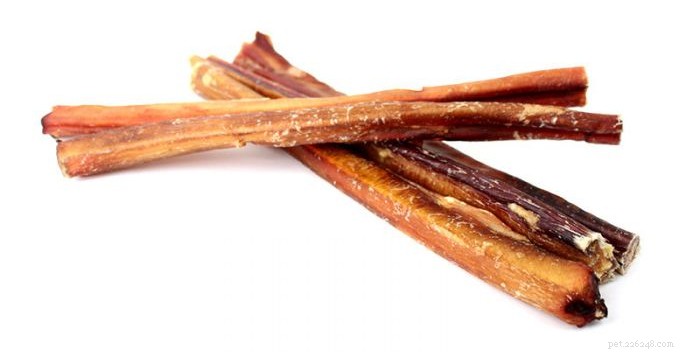 In recent years, bully sticks have become one of the most popular, natural chews for dogs. They love the taste, and the texture is ideal for safe chewing and dental cleaning. It softens as they chew, and can aid in removing bacteria that hide in the back of their mouth and at the gumline.
They are offered in different lengths, thicknesses, and shapes to suit each individual dog chewing style. They are suitable for dogs of any size and are a safe chew for seniors and dogs that have fewer chompers than they should.
Bully sticks are great options for teething puppies as well. As they soften, they will massage the gums and help to work baby teeth out.
2. Eldon's Tendons
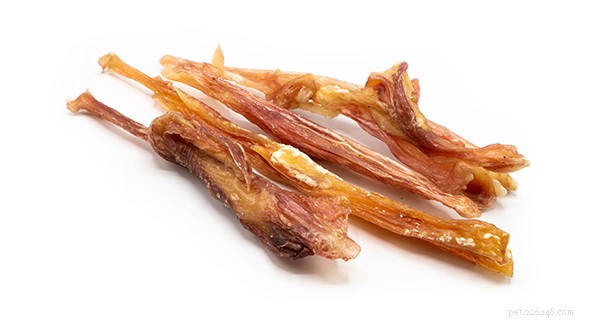
One of the ways that we manage our dental health is by flossing. If you feed tendons to your dog, then they can floss too. The stringy texture of the tendon will allow the chew to sink between teeth as it softens.
Eldon's Beef Tendons are fully digestible and are suitable for all dogs. Choose the size and protein that is best for your dog. The most common types of tendons available are beef, bison, and lamb.
3. Fieldcrest Farms Nothin' to Hide
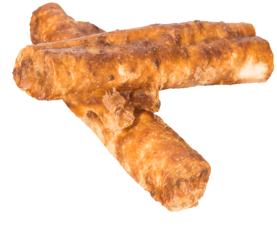
Another popular option for dogs that love rawhide, but need a safer alternative, is Fieldcrest Farm Nothin' to Hide chews. These non rawhide chews skip the hard-to-digest and chemically treated hide and stick to real food ingredients like natural bovine collagen and real meat to create tough natural chews that look and feel like rawhide.
Unlike other no hide chews on the market, Nothin' to Hide chews use all-natural ingredients that are easy to digest and free of common food allergens.
4. Eldon's Beef Chomper Sticks
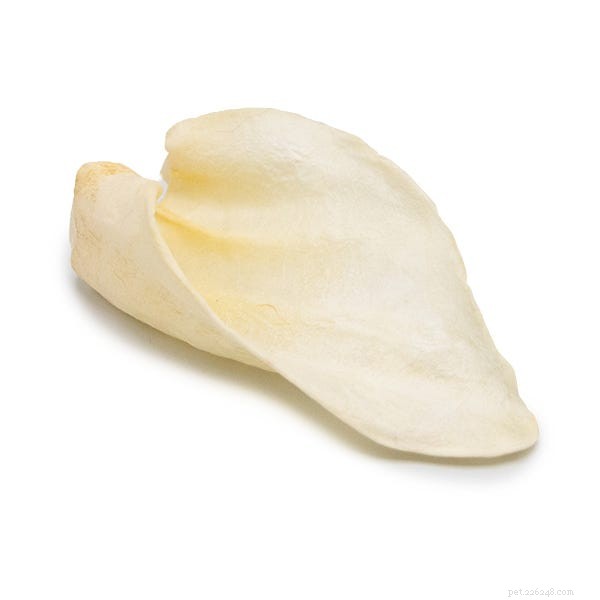
For dogs that love to chomp, this natural chew provides a satisfying crunch for powerful jaws and a long-lasting chomp session for more delicate chewers. Eldon's Beef Chompers come in sticks, braids, and strips.
They are made of the beef esophagus, so they are high protein, low fat, and easy on the tummy. The beef esophagus has a stronger odour than the rest of the chews on our list, so we recommend this as an outdoor treat or at least feeding it in another room.
5. Raw Bones
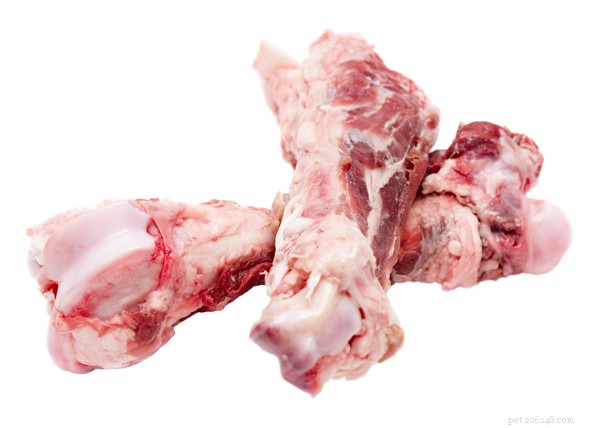
Feeding raw bones fights bacteria on two fronts. The action of chewing will loosen bacteria, especially in the harder-to-reach areas at the back of their mouth, and the enzymes from the raw meat will fight off bacteria and freshen your dog’s breath.
Not all raw bones are safe to feed though. Stick to edible bones like chicken necks, or softer recreational bones like beef ribs.
6. Himalayan Yak Chews
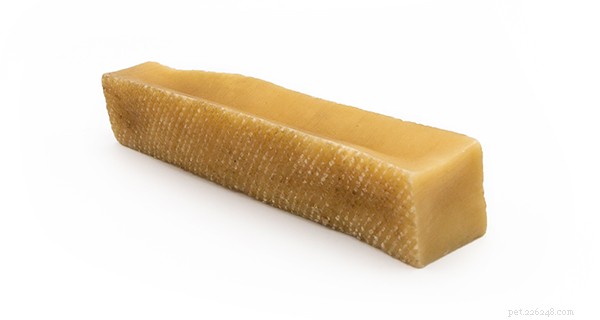
The toughest chew on our list is the Himalayan Yak Chews. It’s a thick stick of hardened yak and cow cheese that will be best suited for tough chewers. It will provide plenty of abrasion to remove bacteria from their teeth and will last longer than most natural chews.
Yak chews aren’t suitable for every dog. Puppies, seniors, and dogs with dental issues should avoid chewing on hard chews like this to reduce the risk of damaging their teeth. For adult dogs with strong teeth, they are a low-fat chew with loads of flavour.
7. Eldon's Cow Ears
Eldon's Cow Ears are made of cartilage and are a tasty fun treat for removing plaque and tartar from your dog’s teeth. For bigger breeds, a cow ear won’t be super long-lasting, but it will still stand up long enough for their teeth to benefit.
Cow ears are inexpensive and low in calories, and they are a great daily chew that won’t contribute to unnecessary weight gain.
8. Icelandic+ Lamb Horn
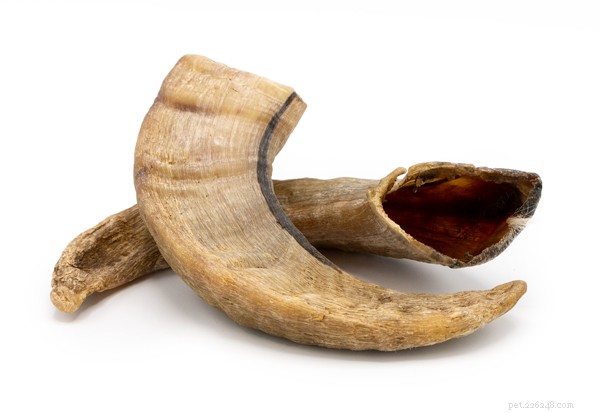
Lamb horns are made of Keratin, not bone. While keratin is hard, it is less dense than a bone and does not pose the same risk to your dog’s teeth as a harder chew would. As your dog chews, the horn will begin to break down into small digestible pieces.
Icelandic+ Lamb Horns are fibrous which allows the chew to brush the teeth and gums as they chew. Unlike antlers that are very hard, lamb horns have some give, so they are suitable for dogs of all ages and sizes.
9. ValuePack Tartar Bones - Small
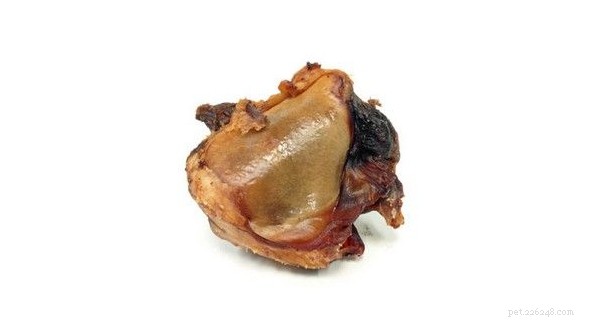
This smoked bone is made from the kneecap of a cow. It’s round, solid, and covered with yummy cartilage. This is a recreational chew, so avoid letting your dog eat the whole thing. Your dog will enjoy cleaning off the bone, and they won’t even know that they are cleaning their teeth at the same time.
Rawhide alternative bones are an all-natural choice, but as with anything, you must weigh the pros and cons. Cooked bone presents a risk of tooth damage, so ValuePack Tartar Bones are not suitable for puppies, seniors, and dogs with dental issues that could crack or chip their teeth while chewing.
10. Hero Chicken Feet
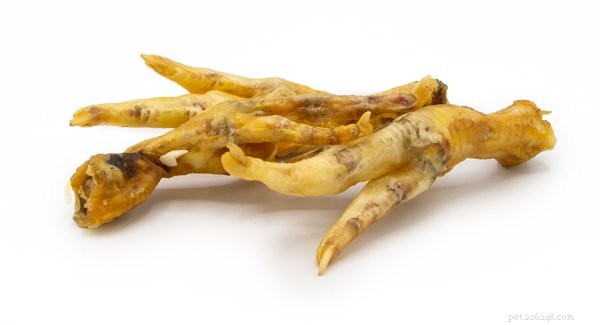
Although small, chicken feet are a great option for dogs. In some ways, they are like a doggy toothpick. They will clean hard-to-reach places near the back of the mouth and scrape away plaque and bacteria near the gum line. Hero Chicken Feet are an excellent addition to your dog's regular dental routine.
Making Yor Dogs Natural Chews Last
You’ll want to not only make your dog’s chews last but also keep your canine companion interested in the items. Weekly rotation of the chews ensures that the chews last longer and also makes your pet feel like they received a new and exciting natural chew.
The more your dog eats a natural chew, the faster he'll learn how to break it down. Rotating chews is not only a way to keep your dog interested but can also slow down how quickly they eat them. Choosing a new dog chew each week will provide enough variety to keep your dog on his toes.
How Many Chews Can You Feed Your Dog?
Edible chews, like those on our list above, may be an effective way to keep your dog busy and happy, but you need to be aware of how these chews are affecting your dog's overall diet. The extra calories and protein could lead to an unbalanced diet if you are feeding too many chews each week.
The size of our dog and the size of the chew are both important. Small dogs need fewer calories, so feeding smaller chews less frequently would be suitable. The same goes for dogs who are overweight. Limiting calories from treats and chews can help slim them down.
This doesn't mean you need to skip natural chews altogether though. Rotating in the occasional natural chew with durable chew toys can help support your dog's dental health without packing on extra pounds or spoiling her appetite.
For the average dog, 2-4 natural chews per week are typically fine. Higher energy or underweight breeds may be able to handle a few more than that, but consider how much of their nutrients are coming from a complete diet versus treats and chews.
Dogs eating a raw diet may be able to accommodate eating raw meaty bones daily as part of their diet, assuming bone is not included in the diet already.
Know the Risks
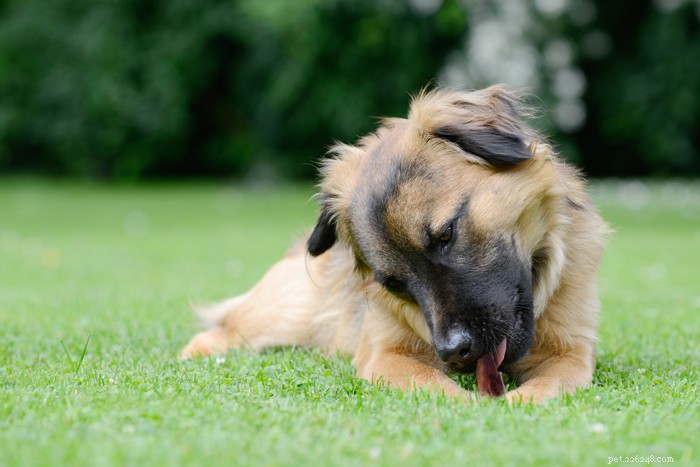
No chew is without risk. No matter the type, any chew that is not properly chewed, is swallowed whole or is not the appropriate size for your pet can be a choking hazard. When selecting a size for your dog, you can never go to big, but it’s dangerously easy to feed a chew that is too small.
Dog’s that tend to gulp treats, or have digestive conditions, should take extra care with natural dental chews. Large pieces may not break down or could risk damaging the softer tissues along their digestive tract.
Always feed chews in moderation. Even low-fat chews add calories. Make sure you are balancing dental chews with their regular diet and exercise. This will prevent your dog from packing on the pounds or running into digestive issues.
Lastly, never leave your dog unattended with a chew. Monitoring them ensures their safety and also helps you understand how they chew so that you can offer the safest and best natural chews to improve their dental health.
What's your dog's favourite natural chew? Share your top picks in the comments below!
- Pet Behavior
- Pet Breeds
- Pet Names
- Pet Adoption
- Pet Training
- Pet Information
- Pet Health
- Adorable Pets
- Dogs
- Choosing the Perfect Leash Length for Your Dog: A Guide to Safety and Comfort
- Top Identification Solutions to Keep Your Dog Safe and Secure
- Top Dog Training Treats: High-Protein, Natural Rewards for Your Pup
- Top Dog Toys: Keep Your Pet Happy & Stress‑Free
- The 5 Essential Dog Food Types Every Owner Should Know
- Essential Dog Supplies: Must-Have Gear for a Healthy, Happy Pup
- Top Dog Nail Clippers for Safe, Easy Grooming