

Cross‑Country Dog Travel: Tips for a Safe & Stress‑Free Journey
Traveling cross country with a dog can be a challenging yet rewarding experience. According to the ASPCA, traveling with a pet can be highly stressful, but with a little thoughtful preparation your trip can be safe and comfortable for everyone. Ensure that your cross country road trip with dog is a success by planning and preparing extensively ahead of time.
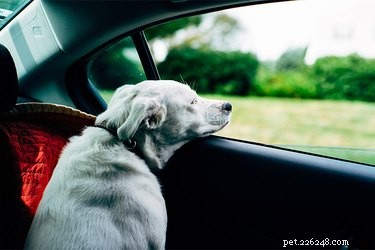
Gather all required pet equipment necessary for your trip, and keep it together in one place. You will need a sturdy dog crate, dog food, toys, a dog bed, a pet first aid kit, food and water bowls, a leash, and a collar or harness with proper identification tags. According to the American Kennel Club, the identification tags should include your dog's name, your name, and your home phone number or cell phone number, as well as proof of rabies shots.
Crate train your dog
Introduce your dog to the crate ahead of time. According to the American Kennel Club, using a crate is an excellent way to keep your dog safe and happy while traveling — as long as it's large enough to allow the dog to stand, turn, and lie down. The best crate also should have the proper ventilation holes on each side of the crate. Place the crate in a safe, quiet area in your home and leave it open so your dog can become familiar or accustomed to it prior to your dog friendly cross country road trip. You can purchase dog crates at pet stores.
Make sure Fido is comfortable
Put a dog bed and a few of your dog's favorite toys in the crate before placing your dog into the crate. Dogs can become bored very easily when traveling — therefore, your dog will need plenty of toys to keep him happy and occupied throughout the cross-country trip. Look online for social media groups to find tips for driving cross country with a dog.
Make frequent stops
Stop every few hours for potty and exercise breaks. Dogs, like humans, need regular breaks to relieve themselves. Dogs also need regular spurts of activity, like walking or running, to stay healthy and happy during travel. Always use a leash, and never leave your dog loose or unattended while traveling. Be sure you have plenty of poop bags on hand, and always pick up after your dog.
Stick to your normal routine
Feed your dog on a regular schedule and provide plenty of fresh water for your dog throughout the cross-country trip. Feeding and watering your dog on a strict schedule will help keep your dog's potty breaks on a regular schedule, and will help avoid digestive problems.
Safe travels!
- Pet Behavior
- Pet Breeds
- Pet Names
- Pet Adoption
- Pet Training
- Pet Information
- Pet Health
- Adorable Pets
- Dogs
- Is It Right to Bring Your Dog to Dinner? A Practical Guide
- How to Safely Travel with Your Senior Dog: 8 Essential Tips
- Traveling Safely with Your Dog: Essential Tips & Hidden Hazards to Avoid
- Is It Safe to Cover a Dog Crate with a Blanket? Expert Guide
- Essential Guide: Traveling Safely with Your Cat
- The Ultimate Guide to Road Tripping with Your Dog or Puppy
- Managing Dog Crate Anxiety: Tips for a Calm, Safe Environment