

Comparing Wolf and Dog Teeth: Size, Bite Strength, and Dental Health
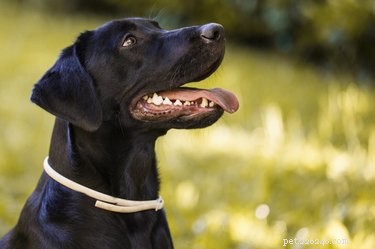
Wolves and dogs both have the same number of teeth; young pups have 28 deciduous teeth, while adults have 42 permanent teeth. However, the teeth of wolves are often considerably longer than those of domestic dogs. In fact, the large canine teeth of wolves may exceed 1 inch in length. Additionally, some dental problems, such as the development of extra teeth, are more common in dogs than wolves.
Jaw Strength
In addition to their massive dentition, wolves may be capable of biting harder than dogs are. However, due to the difficulties involved in measuring bite force consistently and accurately, and the variety of different techniques scientists use to measure bite forces, the data collected by scientists are often at odds with each other.
For example, both the California Wolf Center and the Wolf Conservation Center assert that wolves can produce about 1,500 pounds of pressure per square inch, which the organizations argue, is twice the jaw strength of a German shepherd. However, the International Wolf Center contends that wolves are capable of applying 398 pounds of pressure per square inch, while domestic dogs only generate about 320 pounds per square inch. In a 2009 study, lead researcher Jennifer Ellis sedated a group of dogs and then forced their jaws to clench via electrical stimulation. After analyzing the collected data, she found that mastiffs could generate over 550 pounds per square inch.
- Pet Behavior
- Pet Breeds
- Pet Names
- Pet Adoption
- Pet Training
- Pet Information
- Pet Health
- Adorable Pets
- Dogs
- Brush Your Dog’s Teeth Without Toothpaste: Easy, Safe, and Effective Methods
- How to Safely Remove Tartar from Your Dog’s Teeth
- Is Flossing Your Dog’s Teeth Beneficial? Expert Advice on Canine Dental Care
- What Causes Dogs to Chatter Their Teeth? A Trusted Guide
- Dogs vs. Wolves: Unveiling the Truth About Our Canine Companions
- Preventing and Treating Oral Diseases in Dogs: A Comprehensive Guide
- Preventing and Managing Fractured Teeth in Dogs: Expert Guidance