

How to Safely Cool Your Dog in 2026: Signs of Overheating & Proven Solutions
Canadian summers may be brief, but that doesn’t mean your dog should miss out on sunshine. The trick is to enjoy the warmth while keeping your pup safe. With a few thoughtful steps, you can protect your dog from the dangers of heatstroke and dehydration.
Below you’ll find a practical guide that explains how dogs regulate temperature, the warning signs of overheating, and the most effective cooling methods.

How to Cool Down Your Dog
If the heat starts to overwhelm your pup, stay calm and act quickly. A well‑planned routine can keep your dog comfortable during the hottest parts of the day.
7 Ways to Keep Your Dog Cool and Prevent Overheating
Prevention beats treatment. The following strategies will help you keep your dog safe before heat stress sets in.
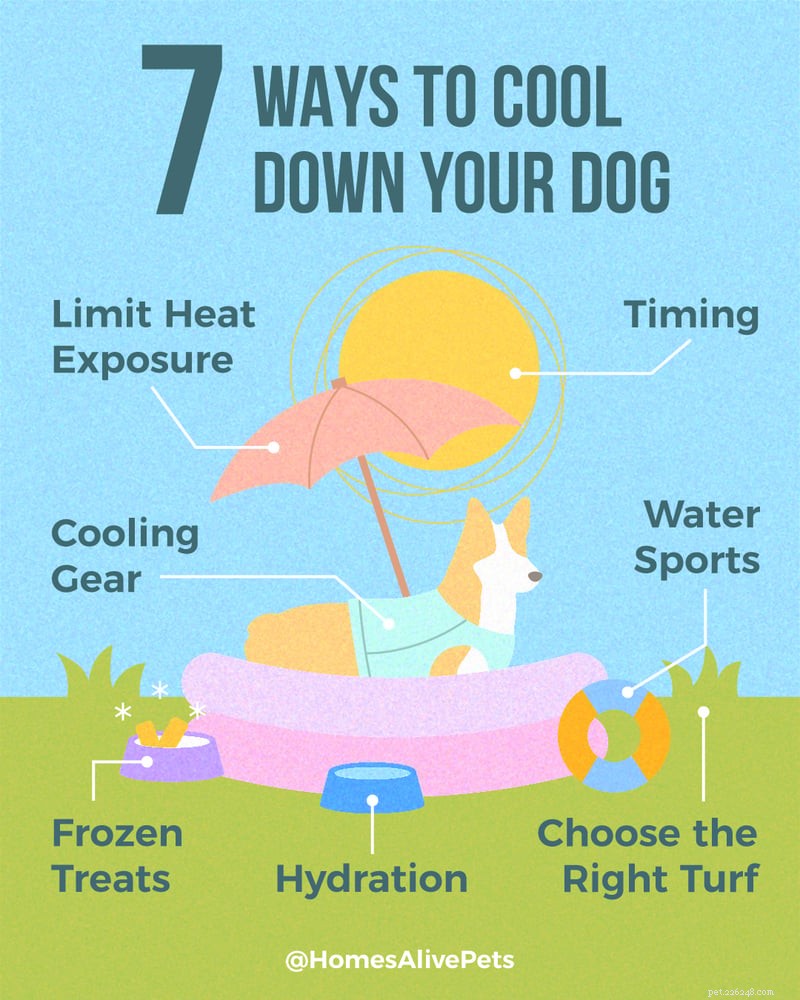
1. Keep Your Dog Hydrated
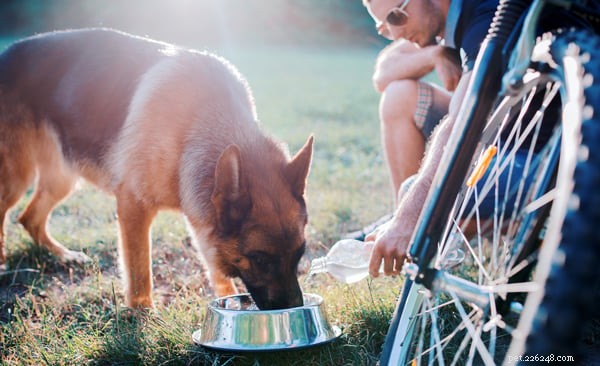
A steady supply of fresh water is essential. Carry portable bottles and collapsible bowls when you’re hiking, walking, or simply relaxing at home. Flat‑mouthed breeds may need extra attention, as they pant less efficiently.
Even indoor activities can raise body temperature if ventilation is poor. Keep water readily available and refill the bowl regularly throughout the summer.
2. Use Dog Cooling Gear
Commercial cooling vests, bandanas, and mats have become mainstream. A wet vest or collar that you dampen before use provides core cooling for active dogs. Mats with a cool surface allow your dog to lie down and dissipate heat through evaporation.
Explore our roundup of the 5 Best Dog Cooling Vests and other gear that keep pets comfortable in hot weather.
3. Limit Heat Exposure
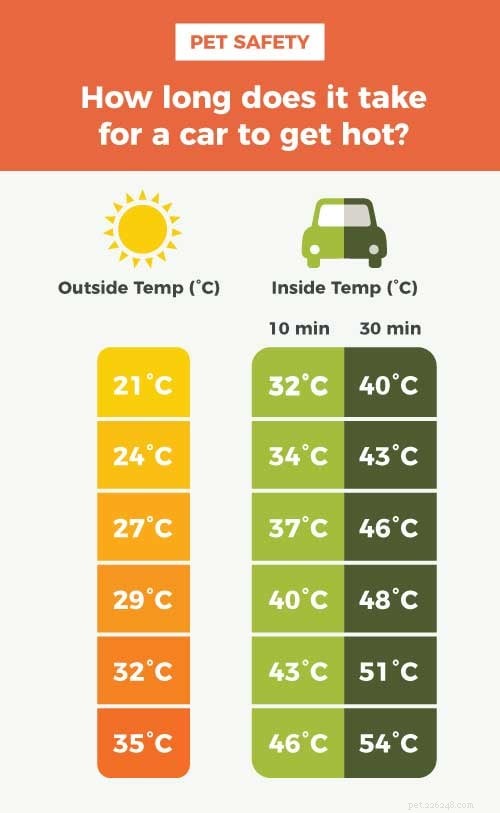
Short, frequent activity bursts give dogs a chance to rest and recover. Avoid leaving your dog in a vehicle—temperatures inside can soar to dangerous levels in less than 30 minutes.
4. Try Dog Water Sports
Water play is a natural way to cool down. A kiddie pool, sprinkler, or a gentle lake walk can be both fun and therapeutic. Frozen or floating toys also encourage safe play while maintaining lower body temperatures.
5. Give Your Dog a Frozen Treat
Cold treats—such as frozen Kongs, raw bone packs, or homemade dog‑safe popsicles—provide instant relief. Ensure the treat is safe for your dog’s size and dental health.
- Raw Bones for Dogs
- Frozen Kongs
- Homemade Frozen Dog Treats
- Frozen Dog Yogurt
6. Protect Their Paws
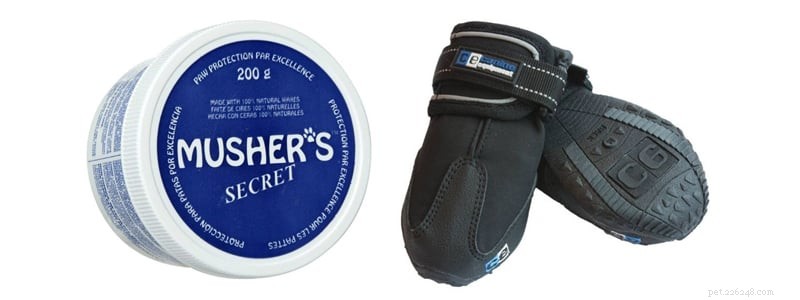
Paws can burn on hot pavement. Apply a pet‑safe paw wax or use breathable summer boots to shield them from heat.
7. Time Your Activities
Schedule walks for early morning or late evening when the UV index is lower. Dawn and dusk provide cooler temperatures and safer conditions for both you and your dog.
The Risks of Dog Overheating
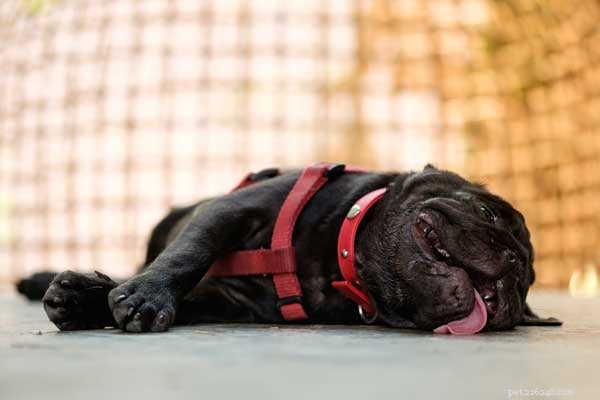
Dehydration is the first symptom of heat stress. Dogs lose water through panting, drooling, and increased respiration. If left unchecked, it can lead to heatstroke, organ failure, and death.
According to the AVMA, a dog’s normal core temperature is about 101.5°F (38.6°C). Temperatures above 104°F (40°C) indicate a serious risk.
What is Heat Stroke in Dogs?
Heatstroke occurs when a dog’s body cannot regulate its temperature. It can cause seizures, collapse, and irreversible organ damage if untreated.
Dog Overheating Symptoms
Recognizing early signs can prevent escalation. Below are graded symptoms to watch for.
Mild Overheating Symptoms
- Heavy panting
- Excessive drooling
- Lethargy
- Body temperature 102°F‑104°F (39°C‑40°C)
Moderate Overheating Symptoms
- Weakness or stumbling
- Shaking or shivering
- Vomiting
- Glazed eyes
- Body temperature 104°F‑106°F (40°C‑41°C)
Heat Stroke Symptoms
- Seizures
- Loss of consciousness
- Disorientation or confusion
- Collapse
- Body temperature >106°F (41°C)
If you see any of these signs, move your dog to a shaded, cool area immediately and call your veterinarian. Rapid cooling can be dangerous; professional guidance is essential.

Do Dogs Overheat Easily?
While most dogs regulate temperature well, extreme heat, high humidity, and strenuous activity can overwhelm them. Puppies, seniors, and overweight dogs are especially vulnerable.
How Do Dogs Cool Down?
Dogs sweat through paw pads and cool via panting. A wet paw pad helps evaporate heat, and panting increases airflow to lower core temperature.
Does Panting Cool Your Dog?
Panting is the primary cooling method. It rapidly expels heat and restores oxygen balance.
Dogs in Hot Cars
A hot car can reach 120°F (49°C) in 15 minutes on a sunny day. Never leave a dog unattended in a vehicle, even with windows cracked.
How Breed Affects Your Dog’s Heat Tolerance
Coat type, respiratory anatomy, and genetics influence heat tolerance. Below are two categories of breeds.
Hot‑Weather‑Approved Breeds
- Chihuahua
- Vizsla
- Weimaraner
- Beagle
- Border Collie
- Doberman Pinscher
Hot‑Weather‑Susceptible Breeds
- Bulldog & French Bulldog
- Boston Terrier
- Pug
- Chow Chow
- Siberian Husky & Alaskan Malamute
- Boxer
Obesity further increases heat risk. Keep your dog at a healthy weight to support thermoregulation.
Tips for Cooling an Overheated Dog
When overheating occurs, these steps can lower body temperature safely:
- Move Indoors: Bring your dog into a cool, shaded area as soon as possible.
- Hydrate: Offer fresh water. If drinking is reluctant, provide moist foods like watermelon.
- Apply Room‑Temperature Water: Dampen a towel and lay it on the neck and chest. Avoid ice; rapid cooling can induce shock.
- Use a Fan: Increase airflow to accelerate evaporation.
For moderate or severe symptoms, seek veterinary care immediately. Do not attempt drastic cooling methods such as ice baths.
How to Cool Down a Dog FAQs
How do you keep your dog cool?
Ensure constant water, shade, and indoor breaks during peak heat. Cooling vests or mats add extra protection.
Can I give my dog ice to cool down?
Ice or frozen treats are fine in moderation. Pair them with fresh water and shade.
Should I shave my dog’s fur to keep them cooler?
Shaving can increase sunburn risk. Discuss coat management with a professional groomer and focus on regular brushing.
How long does it take for a dog to cool down?
With proper measures, cooling can occur in 20‑30 minutes, but factors like breed and environment affect timing.
Can I put ice on my dog to cool them down?
Applying ice directly can damage skin. Use a damp cloth or water-based methods instead.
What are the signs of heat exhaustion in dogs?
Heavy panting, drooling, vomiting, diarrhea, and lethargy indicate heat exhaustion. Move your dog to a cool spot and provide water immediately.

- Pet Behavior
- Pet Breeds
- Pet Names
- Pet Adoption
- Pet Training
- Pet Information
- Pet Health
- Adorable Pets
- Dogs
- Pet Releaf Edibites: Natural Hemp Dog Treats Reviewed – Safe, Effective Relief for Arthritis & Pain
- Unveiling Why Cats Avoid Water: Science & Gentle Bathing Tips
- Do Dogs Detect Coyotes by Smell?
- Understanding Cuterebra: Symptoms and Treatment for Cats
- 10 Proven Signs Your Cat Is Truly Thriving
- Training vs. Personality: How Lucas Overcame Fear to Become a Confident Companion
- Help! My New Dog Is Too Problematic – Quick Fixes & Expert Tips