

Design a Pet‑Friendly Backyard: Safe, Beautiful, and Easy to Maintain
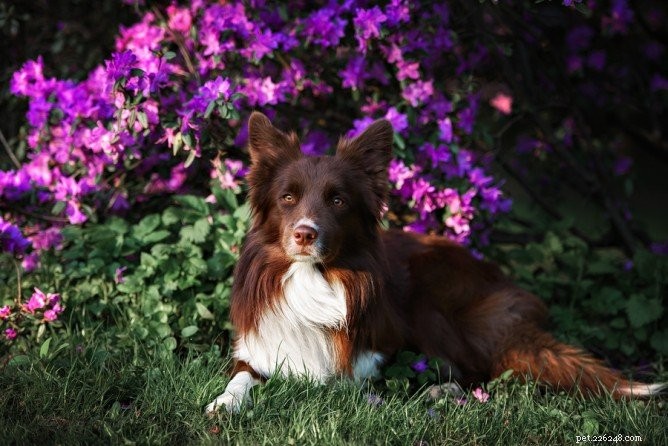
You want a lush lawn, but you want your pets to be able to safely enjoy it – after all, time spent outdoors should be with your furry BFF. Here’s how to do pet-friendly landscaping right.
After a long season of hibernation, both people and pets can’t wait to get outside and enjoy their backyard’s green spaces. It won’t be long before you’re spending the weekend getting your lawns and landscapes ready for the warmer weather ahead. But did you know that there are certain types of grasses that stand up better to the needs of your dog?
We asked the landscaping experts at Outdoor Power Equipment Institute (OPEI), who happen to be the awesome peeps behind TurfMutt, about what you should keep in mind before laying sod and planting a blossoming garden:
- Think about what your dog needs
Dogs love living landscapes and love being in the yard. Determine what your dog needs the most in a yard. Does he want a place to romp and exercise or a place to relax in the shade for an afternoon nap?
- Select “dog-proof” ground coverings
Grass is one of the best ground coverings available because it can handle the wear and tear that comes with pets and children. Bermuda and buffalo grass are not only hardy but they are drought-resistant, too. Grass also improves the quality of life for you and your family by producing oxygen, sequestering carbon, capturing water runoff, and cleaning and filtering rain water.
- Choose appropriate plants
For areas near your garden paths, select plants that have soft foliage, but are still sturdy enough to withstand a little canine rough-housing. Your local nursery, gardening center and the ASPCA’s list of toxic and non-toxic garden plants can also be a valuable tool for pet parents with a green thumb.
- Avoid plastic grass
Also known as artificial turf, plastic grass gets too hot for humans and pets, especially in summer months. A 2002 Brigham Young University study revealed that synthetic-turf surface temperatures were 37 degrees higher than asphalt and 86 degrees hotter than natural turf. And a 2012 Penn State study found it not uncommon for temperatures to surpass 150 degrees and can reach up to 200 degrees.
- Recycle grass clippings
Lawns sequester the largest amount of carbon when they recycle the nitrogen contained in grass clippings. Consider removing your lawn mower’s mulching bag and leave the grass clippings on the ground while mowing. The clippings will break down and feed your grass naturally.
- Pet Behavior
- Pet Breeds
- Pet Names
- Pet Adoption
- Pet Training
- Pet Information
- Pet Health
- Adorable Pets
- Dogs
- How to Keep Your Cat or Dog Safe and Happy This Halloween
- Guide to Caring for Senior Dogs: Ensuring Safety, Comfort, and Happiness
- Build and Care for a Low-Maintenance Aquarium: Expert Tips for a Healthy Fish Home
- Designing a Safe Room for Your New Cat: A Trusted Guide
- Safe & Effective Homemade Dog Toothpaste: A Step‑by‑Step Guide
- Build a Backyard Agility Course: A Step‑by‑Step Guide for Your Dog's Health
- Keep Your Pet Safe: Proven Strategies Against Theft & Stray Loss