

Mastering Reactive Dog Training: Week 1 Guide
When you love a reactive dog, you expend an enormous amount of effort “managing” situations. It becomes second nature. I don’t even think twice about sitting in the car in the parking lot of doggy daycare waiting for everyone else to drop off ahead of us, then dashing out the moment the lot clears so I can get Lucas in without encountering a dog in the lobby. (Of course, once inside – and off leash – he’s happy and playful. Which is so frustrating.)
When it starts to rain, my first thought isn’t, “Ugh. Walking dogs in the rain.” My first thought is, “Great! I can walk Lucas without encountering anyone else!”
And the zig-zagging, circuitous routes we take so that we don’t cross paths with anyone else? Totally normal! Right?
Right….
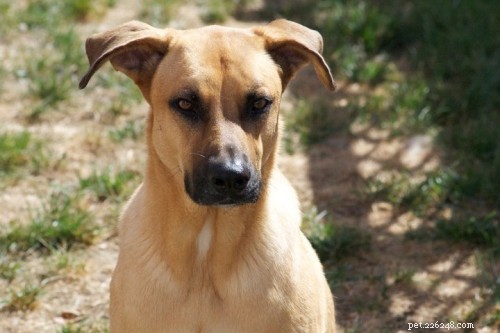
But the reality is, we have come so far with Lucas since the early days when he would hit the floor when we turned on the television or rustled a plastic bag or – horror! – a bike whizzed past us.
He navigates life pretty well these days with two big exceptions: His leash reactivity and his massive barking-fit-meltdowns-throw-himself-into-the-window when a dog dares to walk past our house. And, really, the two are the same thing.
Until recently, until he tried to bite someone, my goal was simply management. Walk at weird times of day or in bad weather. Stick to the loop around the park so I could see in all directions around us and change course as needed. Keep the blinds closed in the front of the house. Restrict his access to the front room when I’m not home. And so on.
But, as he demonstrated, that’s not enough.
We need to actively work on this reactivity for his safety.
So! I signed us up for a Reactive Dog training course. I’ll fill you in on our progress as we work through the course, but here’s what’s happened so far:
Week 1 was people only, no dogs allowed. We talked about reactivity and how important it is to understand that most reactivity is rooted in fear – something we’ve known about Lucas since day one.
We also talked about the behaviors that are critical to master with a reactive dog – specifically, a good “heel” and a super solid “watch me.” The idea is that when you encounter your dog’s trigger (in his case, other dogs), you get your dog right next to you and looking up at your face. That prevents your dog from focusing on the trigger and – ideally – keeps him from reacting.
Sounds simple, right? 🙂
Both of these behaviors are fairly good with Lucas, but after week one I realized they’re nowhere near good enough. I’ve been practicing with him in the backyard a little bit every day. In a couple weeks I hope to move that training to the park. I don’t want to risk pushing him too far too fast, but I do feel we’re making progress.
Since this post is getting a little long, I’ll stop here for now. More on our progress to come. Now, if you’ll excuse me, it’s starting to rain. I better get Lucas walking!
- Pet Behavior
- Pet Breeds
- Pet Names
- Pet Adoption
- Pet Training
- Pet Information
- Pet Health
- Adorable Pets
- Dogs
- 6 Essential Steps to Prepare Your Reactive Dog for Successful Training
- Akita Dog Training: Proven Techniques for Loyal Companions
- Effective Kuvasz Training: Tips for Raising a Loyal Family Guardian
- Effective Leonberger Dog Training: Positive Methods for a Graceful Companion
- Effective Positive Training Techniques for Your Mudi Dog
- Barbet Dog Training: Expert Tips for the Energetic French Retriever
- Effective Training Strategies for Your Boerboel Dog