

Helping Your Picky Dog Eat: Proven Strategies for a Healthy Diet

When your dog is a picky eater, he may be depriving himself of vital nutrients he needs for healthy growth and development. Rule out any medical problems that may be triggering his habits and establish new routines and even new foods to entice him back to the bowl.
Vet Checkup
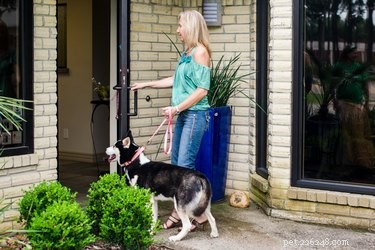
Take your pup to the vet for an exam to make sure there are no medical problems prompting his finicky dietary habits. This is especially important if the picky eating came on suddenly or if he has other symptoms of concern, such as gastrointestinal upset, weight loss or drooling. He could have a parasite, intestinal blockage, a bad tooth or some other malady that can diagnosed and remedied.
Monitor Food Intake

Pay attention to what your dog eats and when. Some dogs aren't interested in regular food if they're frequently fed tasty table scraps, lots of snacks or if they get into the garbage on a regular basis. Make sure everyone in the household is on the same page when it comes to feeding your dog, or he could end up overfed or underfed.
Maintain a Routine
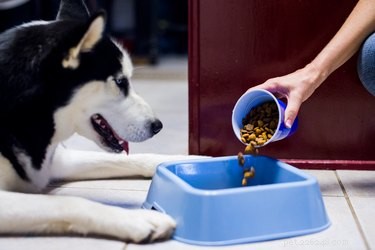
If you're filling up your dog's bowl and leaving it for him to snack on throughout the day, switch to a set feeding routine to get him accustomed to a timetable. If your schedule is irregular, consider an automatic feeder that dispenses food at pre-established times. Don't make a big deal out of feeding time, or your pup could associate his unwillingness to eat with attention. Put down his food, tell him it's time to eat and walk away.
Check Sanitation and Freshness
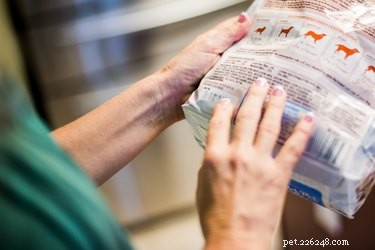
Make sure your dog's feeding bowls are cleaned and sanitized and that there are no chips or cracks irritating your dog when he eats. Check your food supply for freshness. Big bags or tubs of food can become wet and moldy or pass expiration dates before use. Foul odors means it's time to pitch the supply. Keep an eye on "best by" dates on canned food, too.
Change Foods
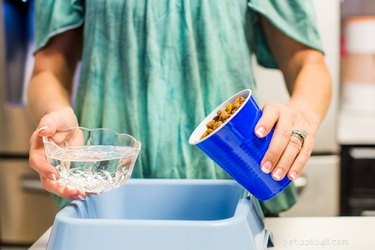
Change food to see if there's something better suited to your picky eater's palate. Make the change gradually, mixing new food in with the existing variety over several days to prevent stomach ache. Feed a high-quality, vet-recommended brand. When you make a switch, go for something with a new texture or flavor to see if your dog prefers it. Try making a switch from dry to wet, or vice versa, or going with something in-between, like a semi-moist variety. Heating canned food or adding warm water to dry food can make it more aromatic and appealing.
Add Flavor-Enhancers
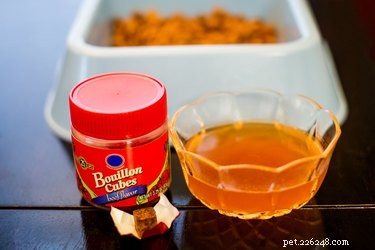
Incorporate new flavor into your dog's diet to see if that changes his dining attitude. Add cheese, broth, cooked vegetables, rice, pumpkin puree or boiled chicken to his regular food. Mix it in completely so he can't just dig out the "good" parts. Ask your vet about the suitability of various homemade diets to ensure they're appropriate and safe for your dog.
- Pet Behavior
- Pet Breeds
- Pet Names
- Pet Adoption
- Pet Training
- Pet Information
- Pet Health
- Adorable Pets
- Dogs
- Help Your Dog Sleep Soundly: Proven Exercise, Crate Training, and Nighttime Routine Tips
- Eliminate Bad Dog Breath: A Pro Guide to Freshness and Health
- Helping a Sick Dog Eat: Proven Tips for Restoring Appetite
- How to Encourage Your Sick Dog to Eat: Proven Nutrition Tips
- Essential Guide to Grooming Your Dog: Tips for a Clean, Healthy, and Happy Pet
- Help Your Dog Regain Appetite: Proven Strategies When They Won’t Eat
- Steps to Secure a Certified Therapy Dog for Wellness