

Decoding Canine Communication: 10 Key Reasons Dogs Bark – Expert Guide
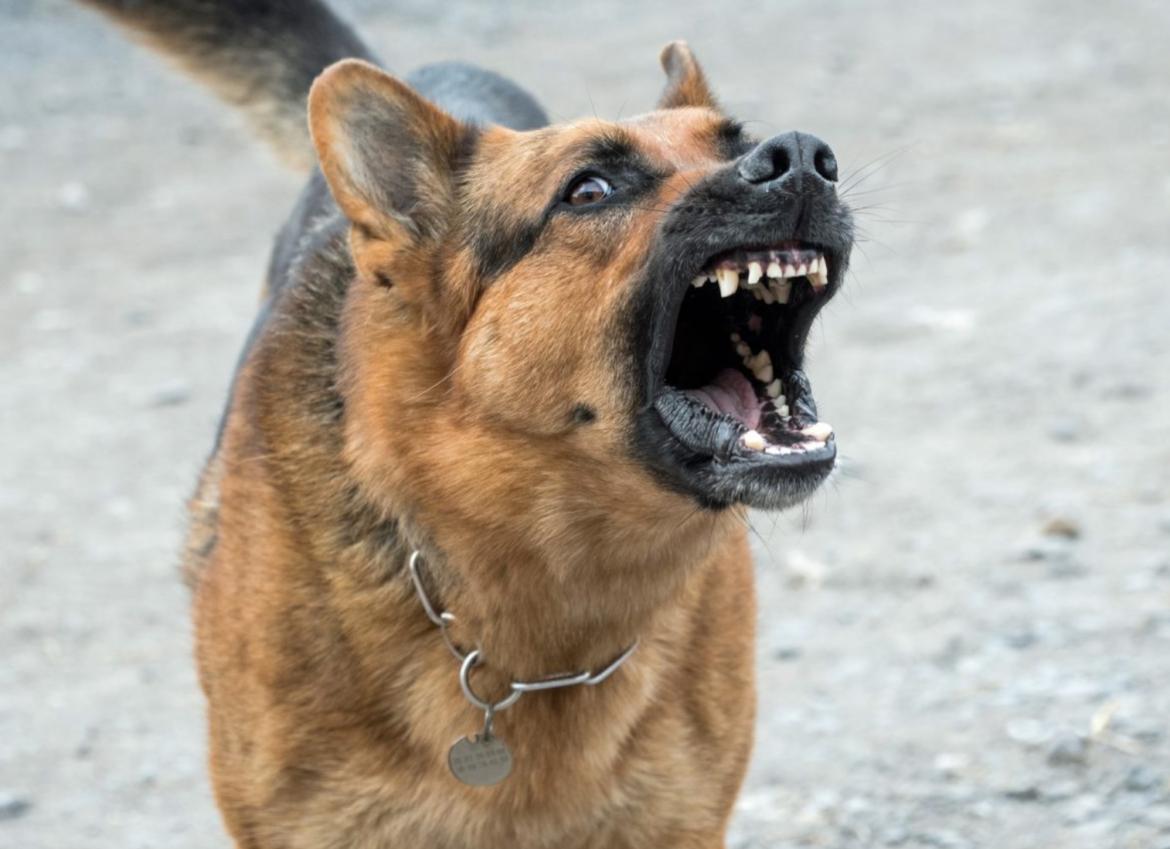
In this article, you will find answers to the question, “Why do dogs bark?”
Barking is a major means of communication for dogs. From experience, I know that the barking of a dog varies depending on the prevailing situation.
The pitch of bark, how long it lasts, and the space in between barks all convey a unique message.
Before now, you must have trained your dog to understand what you want him to do on different occasions.
It is about time you understood what your dog is saying as well.
As you read on, you will find the different reasons why your dog barks and what you can do about it.
If you are ready, let’s jump right in!
#1 – Territorial Barking
Most dogs bark to ward off strangers or warn their owners of individuals they suspect to be dangerous.
When a dog can see outside of a house, he is most likely to bark at every human, child, or animal that passes by.
Some dogs extend this territory protection to the yard, your car, and even you while you are walking the streets.
If you are not comfortable with that, maybe you don’t appreciate your dog barking at your favourite visitors, then you should address the situation.
These few tips should help:
• When your dog is inside the house, restrict his access to doors and windows so he doesn’t see outside.
• Turn on the TV or play some music to mask noises that prompt barking.
• Install a new doorbell or change the ring of the old one
• Make sure he is inside at those times when the neighbourhood is most likely to be flooded with people e.g. school closing time or office closing hours
• Command him to be quiet after a few barks when people are passing by.
• You can also try going to him and holding his muzzle and repeat the command, ‘’quiet’’. Then ask him to sit.
Give him a treat if he cooperates. If not, repeat the steps until he does.
- Another trick is to add a distracting noise like a loud clap when your dog is barking.
When you’ve gotten his attention, give him the ‘’quiet’’ and ‘’sit’’ commands. Reward him when he complies.
- While walking with your dog, go along with treats. Let him sniff the treat from time to time so he will be expectant.
Give him the treats in tiny bits so that he can chew and swallow while he walks.
This will help him stay focused on you and limit the possibility of barking at strangers.
When you come across a friend, instruct your dog to sit. Only allow him to familiarize himself if the other person is interested.
• Use a travel crate or at least a seat belt to control your dog’s movement and sightseeing while you are in the car.
• Commanding him to wait before jumping into the car and playing the radio to subdue noises from outside may also help.
#2 – Greeting Bark
When your dog’s bark is accompanied by a wagging tail and a jump at the sight of a family member or friend, he is simply greeting.
But as good as his intentions are, this greeting bark can also be annoying.
Here’s how you can manage it:
When you or another family member comes home and your dog is barking, ignore him for the first couple of minutes before saying hello.
If it is a visitor, instruct your dog to sit and wait until the visitor approaches him first.
Train your dog to pick up a toy (which will always be by the door) when a guest comes. With the toy in his mouth, the chances that he will bark at the stranger are slim.
The goal here is for your dog to wait for the guest to extend a greeting gesture rather than barking at first.
#3 – Defiant Barking
This is a situation where the dog barks in response to every instruction you give him. Very annoying!
It could be that your dog makes grumbling noises at you when you command him to sit, lie, come, etc.
While the dog is being defensive, it is bad behaviour that you need to curb.
Now, the solution is not to beat your dog with rods, you’d simply be making him more aggressive.
Rather, invite a professional dog trainer over to give your dog compliance training. Just to remind him who the pack alpha is (winks).
#4 – The Request Bark
We have here, a bark that says, “give me some of that” or “show me some love.”
If your dog barks to get your attention, food, treat, or help with potty then you probably fostered the behaviour when he was still a puppy.
When a dog receives what he wants following a bark, he will associate ‘barking’ with rewards. This is probably while you are having this problem.
Nevertheless, there is a solution. You can train him to be quiet when he needs your attention.
Ignore him when he is barking and only meet his request (if it is relevant) when he is quiet.
Already, you have a schedule for giving him food and treats hence you don’t have to oblige him when he is barking because he wants some of the chicken he smells from your cooking pot.
Then for potty, you can install a dog door so he can attend to himself or train him to use a dog doorbell.
#5 – Playtime Barking
Another time when your dog will bark loudly is when he is playing.
Whether he is playing with other dogs around or with you, barking is guaranteed.
Where there is more than one dog, and you feel disturbed by the loud barks, you can restrict the play to the yard
For your playtime with your dog, use toys to reduce the barking as his mouth will always be busy.
Remember that your dog needs to play to stay healthy, so don’t fall for the temptation of cutting down his playtime just to reduce barking.
#6 – The Friendship Bark
Because dogs are social animals, your dog will bark in response to another dog’s bark in the neighbourhood.
There is really no way you can stop this because it is inherent. However, you can control it by changing your dog’s room.
You can also use a radio or TV to drown the barks.
Another time your dog may bark like this is when a fellow dog steps into the house or yard. And your dog excitedly joins him, barking and jumping.
To control this, train your dog to step out and join the other dog only when you let him.
The commands, “stay”, “down”, “sit”, “wait”, “go” will be handy here.
#7 – The Health-related Bark
Pain and other health-related problems could be the reason behind your dog’s excessive barking.
In addition to barking, his body language can also portray that your dog is in pain.
When your dog is barking uncontrollably, especially in low volumes, touch different parts of his body to know if he is feeling pain anywhere.
Where you touch and his bark loudens, that is probably the spot where he is feeling pain.
Also, check your dog’s eyes, nose, ears, and mouth for anything unusual. And report to your vet afterwards even if you don’t find anything.
#8 – Non-stop Barking
Here, we have a case of a dog that is barking constantly at a go.
While this is a display of bad behaviour, it could also mean that he has a desperate need that is not being met.
While he is barking, check the direction of his snout. If it is pointing to his toy or food then you have your answer.
However, handing him the item would simply be encouraging this behaviour.
What then do you do?
Instruct him to be quiet using your regular cue. Once he is calm, hand him the item.
Don’t stop at that though. To effectively correct this behaviour, you need to give your dog a refresher course on proper doggy manners.
This is to prevent your dog from developing anxiety since you will not always be there to meet his needs.
Some professionals also recommend a non-pain-inflicting bark collar like spray or scent collars.
#9 – The Old Age Bark
Ageing dogs bark more often than the younger ones. Barking for hours on end is common as a dog ages (consciously or unconsciously).
Most of this barking is traceable to health issues like canine cognitive dysfunction, vision impairments, deafness, or body aches and pains.
If you have a senior dog and you are bothered about his frequent barking, your best approach will be to discover the source of the barking and find a solution.
#10 – The Mystery Bark
I call this the mystery bark because it appears your dog is barking for no reason but we both know that is not the case.
When you can’t trace your dog’s bark to a chair, a wall, or an item on the table, it could mean that he is hungry or emotionally stressed. Maybe someone passed by the house or he picked up a suspicious scent. It could also be an indication of a serious health problem.
Therefore, when you try to no avail to identify the reason behind your dog’s barking, send him to your vet for proper assessment.
Conclusion
It may take you a while but eventually, you will have a grasp of how your dog’s barking communicates different stuff to you.
However, when your dog’s barking becomes unbearable, it is expedient that you retrain him or involve a professional dog trainer.
This is where we’ll draw the drapes on our discussion, ‘Why do dogs bark’. I hope you enjoyed your read.
Got any questions or insights on the topic? Let’s hear it in the comments section right now.
Also, share this post with other dog lovers on your list, thank you!
- Pet Behavior
- Pet Breeds
- Pet Names
- Pet Adoption
- Pet Training
- Pet Information
- Pet Health
- Adorable Pets
- Dogs
- Why Dogs Bark at TV Animals: Insights from Behavioral Science
- Understanding Why Dogs Bark at Cars: Causes & Solutions
- Why Leadership Matters in the Human‑Dog Relationship
- Understanding Why Dogs Bark: Causes, Communication, and Solutions
- Understanding Nighttime Barking: Causes and Solutions for Your Dog
- What Causes Sudden Changes in Your Dog’s Barking? A Complete Guide
- Understanding Why Dogs Bark: Insights for Pet Owners