

Do Pet Turtles Get Sick? Key Signs & Vet Care Tips
Ever wondered if your pet turtle can get sick? And is there anything you can do for them if they do get sick? The answer is yes, pet turtles can definitely get injured or become sick and it's actually a good idea for them to have regular veterinary exams. Examining a turtle isn't always easy, because they are very strong and can be stubborn. I was thinking about all the interesting turtle cases I've assisted with as a veterinary technician at an exotic pet hospital and thought I'd share some here.
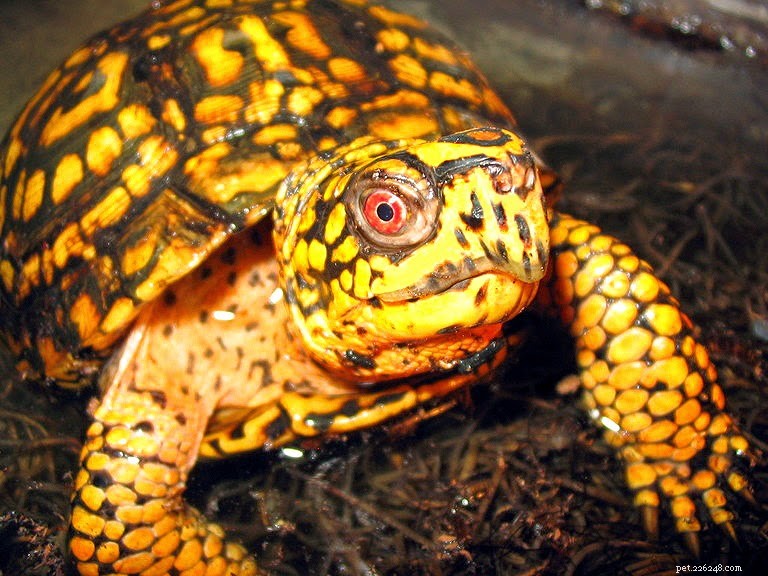 Eastern Box Turtle. Photo via Matt Reinbold.
 Red Eared Slider. Photo via Irita Kirsbluma.
Pet turtles and tortoises can live for a very long time. Some as long as 100 years if well cared for. The oldest turtle I ever met was a box turtle that was about 30 years old. For good advice on turtle care and husbandry for many species of turtles, click here.
If you have a pet turtle, tell us about them! Have they ever experienced an injury or illness?
Eastern Box Turtle. Photo via Matt Reinbold.
How do veterinarians examine pet turtles?
Let me just say that it's definitely not easy all of the time. There are several key things a vet will want to check during your turtle's examination.- Eyes - can help determine hydration status of your turtle.
- Nostrils - bubbles from the nose or noisy breathing can be a symptom of an upper respiratory infection
- Ears - bulges near the ears can be a sign of an ear infection.
- Shell - a soft or small shell can be a sign of poor nutrition and/or lighting.
- Mouth - the mucous membranes on the inside of a turtle's mouth can help determine a turtle's hydration status.
Common Reasons Why Pet Turtles Go to the Vet
I thought I'd list some of the most common pet turtle injuries and illnesses I've personally seen with turtles and tortoises. Most of the time, turtles go to see the vet because they experience some sort of trauma. Many illnesses in pet turtles are actually due to poor husbandry and/or nutrition.- Upper respiratory infections or "colds" - Turtles can get a cold, just like us humans. Blowing bubbles through the nose or noisy breathing sounds are signs, as mentioned above. Treatment usually involves antibiotics, many times given by injection. Note that healing in reptiles is usually very slow.
- Bite wounds - Sometimes, our furry dog and cat friends might think a pet turtle is a fun chew toy and bite them. It happens a lot. Many times, this is fatal. Sometimes, surgical intervention to repair the injuries can be performed along with antibiotics to help fight infection.
- Ear infections - Yes - turtles do have ears and they can get infected! Treatment may include removal of infection debris from the ears along with antibiotics.
- Anorexia - For whatever reason, some turtles may decide to stop eating. Feeding tubes can be placed in these cases until the turtle is ready to eat on his own again. Note that it can take a long time, however. I once knew a turtle who had a feeding tube for over a year.
- Eggbinding - Female turtles can lay eggs even without a male turtle present. On occasion, the eggs may become stuck and need a little help coming out. Diagnosis might include x-rays.
Red Eared Slider. Photo via Irita Kirsbluma.
Pet turtles and tortoises can live for a very long time. Some as long as 100 years if well cared for. The oldest turtle I ever met was a box turtle that was about 30 years old. For good advice on turtle care and husbandry for many species of turtles, click here.
If you have a pet turtle, tell us about them! Have they ever experienced an injury or illness?
- Can Dogs Get Sick from Eating Livestock Manure? What to Watch For
- How Long Can Pet Turtles Stay Underwater? Expert Insights & Care Tips
- Protect Your Pet from Sunburn: What Every Owner Should Know
- Can Your Pet Spread Illnesses to You? Understanding Pet-to-Owner Transmission
- Can Pets Contract Bed Bugs? What You Need to Know
- Does Pet Insurance Cover Your Pet’s Upcoming Surgery?
- Do Pets Spread COVID‑19? Expert Insights on Animal‑Human Transmission