

Should Your Dog Get a Rattlesnake Vaccine? Key Insights for Pet Owners
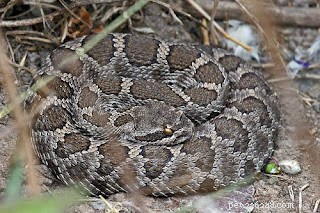 Photo via mikebaird
You may have heard about the rattlesnake vaccination for dogs. It's made from inactive Crotalus atrox venom. So, what does it do? Make your dog invincible versus venomous rattlesnakes? Well, not quite... The vaccine is supposed to make the effects of a rattlesnake bite less severe.
Photo via mikebaird
You may have heard about the rattlesnake vaccination for dogs. It's made from inactive Crotalus atrox venom. So, what does it do? Make your dog invincible versus venomous rattlesnakes? Well, not quite... The vaccine is supposed to make the effects of a rattlesnake bite less severe.One of the bonuses of the vaccination is that it may give your dog more time to get to a veterinarian if they were to be bitten by a rattlesnake. If you live out in the country, this extra time could be very important. Not being able to get treatment in time is why a lot of dogs will not live through a rattlesnake bite. The vaccine is also supposed to reduce the pain and swelling from a snake bite. Dogs may also experience faster recovery following treatment for snake bites.
Unfortunately, the rattlesnake vaccine does not give your dog full immunity to rattlesnakes. The amount of protection it provides is very minimal, but in some cases it could save a life. It's also not for every dog. Over-vaccination is an issue that many dog parents are concerned about. Here are some questions to consider when deciding if you should get one of these vaccines for your dog.
- Do you live in an area where rattlesnakes are present? If so, the vaccine is likely a good idea. If the snakes aren't present year round, you can get the vaccine about a month prior to when rattlesnake season starts in your area.
- Do you take your dog on camping, hunting, or hiking trips? If you're not sure about the prevalence of rattlesnakes in the areas you travel to, do a bit of research and see if they are a common place to find rattlesnakes.
- Is your dog healthy enough to receive this vaccination? Sick dogs should not be vaccinated. Dogs with conditions like IMHA (Immune-mediated hemolytic anemia) should also probably not receive this vaccine. If your dog has had the rattlesnake vaccine in the past and had a bad reaction to it then, it's not a good idea for them to get another one.
The last question brings up the issue of vaccine reactions. Yes, it's possible for a reaction to occur when you give your dog any type of vaccine. In my personal experience, the rattlesnake vaccine has a high reaction rate. I've never seen an extremely severe reaction, however.
Most of the dogs I vaccinated got a lump or nodule afterwards. This is a pretty typical reaction in a lot of vaccines and is usually not a big deal. It's caused by a localized inflammatory response to the vaccination as the body produces antibodies against the snake venom. The lumps can take several weeks to go away. One dog in particular seemed quite painful in the spot that we vaccinated him, more-so than usual.
In another incident, one of the dogs I vaccinated got a post-vaccine nodule after receiving the rattlesnake vaccine. In this case, the nodule actually abscessed which is not very common among vaccines in general.
 Photo via E. E. Phipanies
You can talk with your veterinarian about a vaccine schedule if you're interested in getting a rattlesnake vaccine for your dog. A vet can also help you decide if the vaccine is right for your dog.
Did you know about the rattlesnake vaccine for dogs? Do you get your dog vaccinated against rattlesnakes?
- Do Dogs Need Shoes? When It’s Safe, Comfortable, and Stylish
- How to Tell If Your Dog Needs a Hearing Test – Expert Advice
- Do Your Dog Actually Need a Coat? A Guide to Choosing the Right Winter Outfit
- How Much Exercise Does Your Dog Need? Tailored Guidance for Every Breed, Size, and Age
- Is Your Dog Lacking Energy? Boost Their Vitality Naturally
- Should Your Dog Wear a Winter Jumper? Essential Guide for Cozy, Safe Pets
- How Much Exercise Does Your Dog Really Need? A Guide for Optimal Health