

Identifying Pregnancy in Your Blue‑Tongued Lizard: Key Signs and Tips
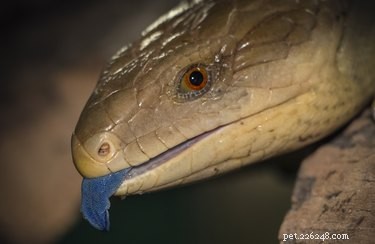
There are a wide variety of different types of blue tongued lizards, including the very popular blue tongue slink. Most of these lizards are either omnivores, like the skink, or insectivores, meaning that they feed primarily off of insects. If you have a female, or think you have a female, and are concerned with the possibility of her being pregnant, a few observable clues can help you figure it out.
Weight Gain
If you suspect that your blue-tongued lizard is pregnant, the most obvious clue will be her excessive weight gain caused by the growing eggs (or young, as some are live-bearers). The gestation period for this type of lizard is about 11 to 13 weeks. Weigh her every few days with an accurate scale and record her weight. If her weight rises steadily, she might be pregnant. At a later stage in the pregnancy, she will have protrusions jutting out from her side; these are the babies.
Behavioral Changes
A pregnant blue tongue lizard will undergo several other changes in habits that might indicate pregnancy (though they could also indicate illness, as well). These include a lack of eating, an aversion to being held, increased aggression or digging in the corners of her habitat.
Vet Visit
A vet visit is highly recommended for inexperienced keepers, as neglecting an illness while thinking it's pregnancy could have potentially harmful results for your lizard. The vet will visually examine the skink's gravid area and perhaps do an ultrasound to confirm things.
- Signs Your Yorkshire Terrier Is About to Deliver: What to Watch For
- Determine Your Dog’s Pregnancy Stage: A Vet‑Approved Guide
- Recognizing Contractions in a Pregnant Dog: Key Signs and What to Do
- Detecting Pregnancy in Labradors: A Quick Guide for Owners
- Expert Guide to Caring for a Pregnant English Bulldog
- Caring for a Pregnant Pomeranian: A Complete Guide
- Blue Belly Lizard Care Guide: Expert Tips for Healthy Pets