

Zucchini for Rabbits: Safe, Nutritious, and How Much to Feed
Most rabbits LOVE their vegetable snacks and it’s just so easy to give them a piece of whatever human food you are snacking on too. However, there are some foods that are safe for humans, but can be harmful to your pet bunny. One common food, zucchini, is often in question: Can rabbits eat zucchini safely?
Dr. Jess explains the answer below:

Check out whether rabbits can eat tomatoes here!
What Are Rabbits?
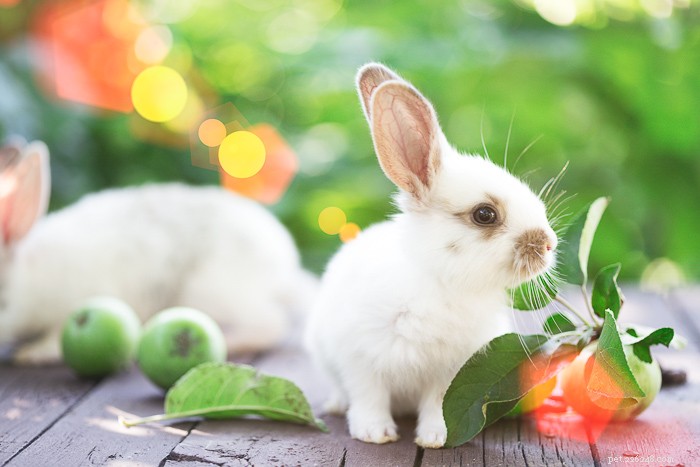
Rabbits and bunnies are small mammals that hop around from place to place.
They are commonly seen as pets with their sweet eyes, floppy ears, furry faces, and cute whiskers.
They come in many colors, shapes, and sizes, most commonly seen in shades of white, brown, black, and patches or combinations of those colors.
They can be seen with a large ear for their body size and even have long-eared varieties with even larger drooping ears.
They have long incisors (front teeth) that are constantly growing and needing to be filed either naturally or by the help of some intervention, both discussed further into this article.
What Do Rabbits Need From a Healthy Diet?
A well-balanced rabbit diet will need to deliver a multitude of things to the bunny ingesting it.
Just like humans, rabbits need the right combination of nutrients, vitamins, minerals, and water to keep their organs working and functioning properly.
However, the daily nutritional requirements for a rabbit differ quite greatly from that of a human, and that is reflected in the common diet that most healthy and happy pet rabbits eat.
What Does a Typical Rabbit Diet Consist of?
An adult rabbit’s main source of food in their diet should come mostly from high-quality hay.
Hay is a forage that is low in calories and high in fiber, easy on the rabbit’s digestive system.
Other pieces of the rabbit’s diet may include commercial pellets and/or treats and snacks such as fruits and vegetables.
However, not all fruits and vegetables are safe for your bunny to have.
Zucchini Basics:
Let’s look a little deeper into what zucchinis are so that we can better decide if they should be a part of your rabbit’s diet.
Zucchini, also known as courgettes and Italian marrows, are firm and have a dark green exterior skin with a pale green center, and can grow longer than a foot in length.
Zucchinis are a part of the squash family, like other vegetables such as acorn and butternut squash, cucumbers, and melons.
Zucchini is a popular vegetable choice for many homecooks as it is easy to handle and very versatile in recipes, usually being diced or sliced with their dark green peels intact.
Zucchini Nutrition:
Zucchini can offer a range of important nutrients and health benefits, such as [source]:
- High water content which is good for keeping well hydrated and keeping all body systems functioning properly.
- High in antioxidants: antioxidants may help the body deal with damage from free radicals.
- High fiber content which aids in healthy digestion and absorption of foods. Fiber can also help stabilize blood sugar levels [source] and lower the risk of heart disease [source].
- Reduce blood sugar levels which can help those with diabetes.
- A good source of vitamins such as vitamin A, B, C, and K.
Zucchini is satisfying to eat and also quite low in calories. According to the USDA, 3/4 cup of zucchini gives you approximately:
- 20 calories
- 4 grams of carbohydrates
- 1 gram of fiber
- 1 gram of protein
- 0 grams of fat
Zucchinis are packed with nutrients, including [source]:
- Vitamin A
- Vitamin C
- Vitamin K
- Riboflavin (vitamin B2)
- Niacin (vitamin B3)
- Vitamin B6
- Folate (vitamin B9)
- Calcium
- Iron
- Magnesium
- Potassium
- Phosphorus
- Zinc

Do Rabbits Eat Zucchini?
Most rabbits will eat a zucchini when offered.
In a veggie garden, most rabbits will chose vegetables like peas, beans, beets, and carrots over zucchini.
But just because rabbits DO eat zucchini does not necessarily mean that this is the best or safest choice for your pet.
Don’t be too worried if your rabbit does not eat zucchini that is offered- it’s normal. You will find another veggie alternative as a source of fresh food that your bunny can enjoy eating.
Can Rabbits Eat Zucchini? Is it Safe?
There are some foods that us humans can eat that are actually toxic to your rabbit and need to be avoided all together.
While there isn’t anything toxic to rabbits in the actual zucchini itself, you shouldn’t give them too much because problems may arise as I will discuss further down in this article.
Pet owners can chose to feed zucchini to their rabbits, but it should not make up their entire diet. Rabbits prefer munching on grass, commercial feed pellets, and hay, along with a bowl of clean, fresh water.
You see, rabbits are herbivores and need a diet which is high-in fiber and low in sugar and fat.
They get their fiber supplied in the form of plants, such as hay which is a roughage that contains a lot of fiber.
This fiber is beneficial for two reasons:
- Dietary fiber keeps the rabbit’s digestive system running smoothly (it’s the same reason why some people take a fiber supplement like Metamucil!).
- The physical roughage (hay) helps keep the rabbit’s teeth healthy and worn down as their teeth are continually growing and need to be filed in order to prevent overgrowth.
So, long story short- Yes!
Adult rabbits can have Zucchini, if offered to them safely, and I’ll cover that in just a bit.
You do not want to feed the wrong zucchini or the wrong amount or frequency, potentially making your furry friend unintentionally sick.
Can Baby Bunnies Eat Zucchini?
Compared to their adult counterparts, baby rabbits have much more sensitive gastrointestinal systems.
Avoid feeding baby bunnies any kinds of fruits and vegetables until they reach 12 weeks of age to allow their stomachs to mature with them.
Then, when ready to introduce them to juicy vegetables, take it very slowly, waiting at least 24 hours to observe any potential adverse side effects, before moving on and trying more of the same veggie snack or a different tasty treat.
Remember – baby and young, and juvenile rabbits have more sensitive digestive systems!
Wait 24 hours to see their reaction.
If everything is fine, you can move to the next treat.
- Are Tomatoes Safe for Rabbits? A Comprehensive Guide
- Are Mangoes Safe for Rabbits? A Nutritional Guide
- Are Blueberries Safe for Rabbits? Expert Feeding Tips
- Can Rabbits Safely Eat Asparagus? Expert Feeding Guide
- Is Cabbage Safe for Rabbits? A Professional Guide to Feeding
- Is Celery Safe for Rabbits? Expert Guide to Feeding Your Bunny
- Are Bananas Safe for Rabbits? An Expert Veterinary Guide