

Cat Lifespan Explained: How Long Cats Live & What Affects Their Age
There are a lot of different factors that come together to create a cat’s life expectancy. Some cats live for only a few short years, while other felines can live for decades on end. Find out how long cats can live for when Dr. Jess answers, How long do cats live?
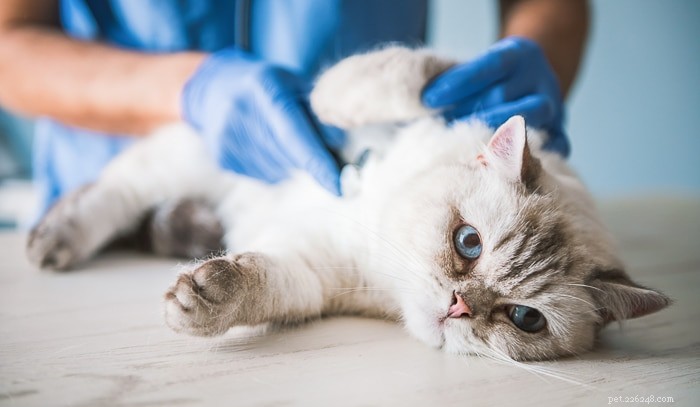
Cat Life Expectancy Factors:
There are many factors that can shorten or lengthen your cat’s lifespan. Please keep in mind, that this is more the majority of cats, most of the time. There will always be outliers when talking about how long do cats live for.
Here are the more common factors can affect a cat’s life expectancy:
Factors Affecting Cat Lifespan
A list of some of the more common factors affecting the average cat's lifespan.
1. Indoor vs Outdoor Cats
Outdoor cats are more vulnerable to diseases and casualties like car accidents and animal fights. Most outdoor cats do get more exercise than indoor cats so being overweight is usually not an issue, especially when combined with the fact that many outdoor cats must hunt for their meals - nutrition can be an issue.
Indoor cats tend to live much longer in general due to modern interventions like veterinary medicine and vaccinations, complete and balanced cat foods, and protection and shelter. Because indoor cats tend to be more sedentary (because they typically don't hunt for their food, etc.) getting enough exercise and becoming overweight is a huge worry regarding their health.
2. Genetics/Overall Health
Conditions can be genetic or picked up from the environment or over time. From cancers, to infectious diseases, to genetic/inherited diseases, all health conditions can affect how long your cat can live for. Providing proper veterinary care, food, water, and safe environment can help some of these larger health issues when they do pop up.
3. Spay & Neutering
A spayed (female) or neutered (male) cat has a decreased chance of developing mammary cancer and no chance of ovarian (female), uterine (female), or testicular (male) cancers.
WIthout the reproductive hormones that were there before the spay or neuter, your cat will be much less likely to roam - and that will likely help with the chances of being hit by a car of getting into fights with other animals.
4. Nutrition/Diet
An ideal diet for your cat is a complete and balanced food. Not all commercial or homemade cat foods fit into this category. It is best to talk with your vet and discuss with them about the best food options for your pet, including amounts and time of feedings.
5. Your Cat's Weight & Exercise
An overweight cat may have issues with bone, joint, liver, heart, lung, and other systems. Extra weight put on these systems can be incredibly detrimental to your cat's overall health. However, an underweight cat can have just as many problems.
Keeping your cat at an ideal body weight and allowing them plenty of opportunities to get exercise, will help mitigate weight issues in the long run. Contact your veterinarian to help you come up with the best weight and exercise plan specifically for your pet.
6. Veterinary Care
- Hopefully by now it is pretty obvious that cats who seek routine medical care and emergency care in times of need, are going to live longer, healthier lives. Veterinarians can administer preventive medicine to your cat to help prevent many diseases and conditions. They can also diagnose and treat concerns and diseases as they arise. Vets can also help formulate plan to increase your cat's happiness, comfort, and overall health to live longer.
7. Breed of Cat
There are certain cat breeds with longer life spans, which are discussed later down in this article.
How Long Do Cats Live?
Many sources will say that the average indoor domesticated cat will have a life expectancy somewhere between 13-17 years of age. [source -Spector WS. Handbook of Biological Data. Philadelphia: Saunders; (1956). ]
However, there are many factors, many of which were discussed above, that come into play when talking about the length of a cat’s life.
Some cat’s will unfortunately live just a few months, while others will live on for decades. Some cats are luckier than others and seem to actually have 9 lives!
In fact, the oldest cat on record as of the time of writing this article, was a cat named Creme Puff who was 38 years old (and his cat “brother” Grandpa Rex Allen was the previous record holder before Creme Puff held the honor). [source]
There are always going to be outliers. Some outdoor cats may live into their teens or twenties, while some indoor kitties my only live a few months or years.
What is the Average Lifespan of an Indoor Cat?
With advances in modern medicine, modern diets, modernized kitty products, modern indoor living, etc. cats, as well as other pets, are living healthier for longer.
The average indoor domesticated cat will have a life expectancy somewhere between 13-17 years of age, depending on factors that were discussed earlier in this article. [source]
- How Long Do Cats Live? Expert Insights on Cat Lifespan & Care
- How Long Can a Cat Survive Without Food? Expert Guide
- How Long Is a Cat Pregnant? Understanding Gestation in Felines
- How Long Do Cats Live? Key Factors & Lifespan Insights
- Indoor Cat Lifespan: How Long Your Feline Can Live & Tips to Extend It
- How Long Do Indoor Cats Live? Realistic Expectations & Longevity Tips
- What Is a Cat’s Typical Life Span? Tips for Longevity