

Do Rats Thrive Alone or Need Companionship? A Guide to Rat Social Needs
Let me tell you a story about R, a boy in the current Horde.
His previous owner bought him from a pet shop as one of a “female” pair. Unfortunately, no one noticed that he possessed unusually testicle-like testicles for a girl until babies appeared. R was moved into his own cage, and a few months down the line, the owners decided to rehome him – cue a message in my inbox from the local rat rescue…
By this point, R had developed a major problem – he was terrified of human contact. He wasn’t aggressive at all, just scared. He’d got out of the habit of being handled, and would flinch or flee from any attempt to stroke him, let alone pick him up. In the two weeks while I was waiting for his fertility to drop post-neutering, I worked with him everyday on trust training, but it was to no avail. When the day came for introductions to the Horde, he was as jumpy as the day he arrived.
You might be thinking “surely this is a rat / human problem – he’s just an unhandled rat?” Well, maybe, but in the words of clickbait headlines, you’ll be amazed by what happened next.
On intro day, I cornered R in a carrier and added in the more sensible half of the Horde, a mix of big calm boys and the less bossy girls. An hour later, I stuck my hand in and… picked him up. Cuddled him. Gave him a rub behind the ears. No running, no flinching, no attempt to escape, no problem.
One hour.
One hour with other rats had done what expert human / rat work couldn’t achieve. He’s never looked back and is now a big calm member of team Horde in his own right.
Table of Contents
- Rats are social animals
- Imagine living in an alien world
- Will rats in groups bond to their owner?
Rats are social animals
Rats, or at least Rattus norvegicus, the species kept as fancy rats, are social animals. In the wild they live in large groups with complex social relationships and hierarchies. They groom each other, and sleep in heaps. Babies learn the skills they need to survive by copying older rats. They also learn subtler social skills, essentially how to be a rat. Even as adults, rats take cues from each other – this is safe, this is not safe. Studies have shown that they’ll help each other out. They live in a complex social world of smells and squeaks, ultrasonic chattering and body language.
Fancy rats are no different.
R accepted being handled once he had other rats around him because their presence was reassuring. These were rats he was still getting to know, who he still had mutual suspicion of. He hadn’t bonded with them yet. But they were there, speaking his language. They were calm and obviously not alarmed by my presence. They showed him he was safe in terms he understood, and that made a genuinely life-changing difference.
This isn’t a unique story. Most of my rats are rescues and rehomes, and rehabilitating the lone rat is one of my specialities. Sometimes they are worried, sometimes aggressive, sometimes they are much loved, adore human contact, but are missing some natural behaviors. In all cases, the Horde, in all their furry, goofy glory are the main treatment. In most cases, they do the whole job.
Imagine living in an alien world
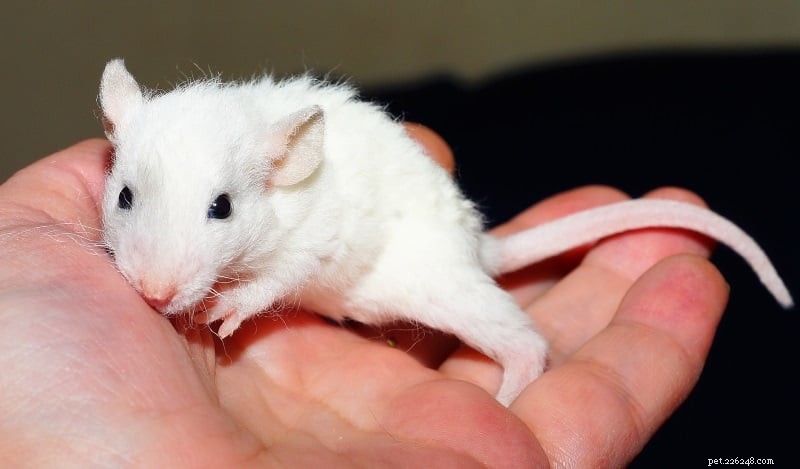
There is no big mystery here – it’s easily explained with a thought experiment. Humans are social creatures too. Think back to when you were a small child. Now imagine that one day, while you are sitting in bed playing with your brothers or sisters, a giant alien comes along, takes you away, and locks you in a small house on their planet. They are nice enough and you quite like them – they give you food and bedding, and even play with you and cuddle you, but you don’t speak their language and they don’t understand yours. None of the things you know instinctively or have learnt so far – about how to interact with others of your kind, or how to tell if things are safe – apply here. And you spend about 22 hours of the day alone in that little, locked house. You sleep alone, you play alone, you eat alone.
It would not be very surprising if you developed some strange behaviors, anything from anxiety to attention-seeking. And you’d very likely be happier if you had friends of your own species, friends who spoke your language, who you could sleep with and play with whenever you wanted.
Most people who keep lone rats love their pets very much and aren’t treating them badly in any way. But just the fact of being alone, however well-loved, shuts out a whole rich part of ratty life.
Also read: Rat Cage Setup Ideas & Tips to Encourage Activity
Will rats in groups bond to their owner?
One of the most common reasons I hear for rats being kept alone is the belief that they will bond better to their human that way. It is true that most lone rats, if well handled, will be friendly and love their human. Rats are social and become very attached to their owners.
But this is true even if the rats are living in a group. The Horde currently has 11 members, and they are all bonded to me. Behavior and the closeness of the bond varies between rats because they have different personalities, but they all play with me, have cuddles, come and see me if I open the cage or sit down with them while they are playing. Every time I walk through their free-range area at least three will appear and sit on my foot to demand to be picked up. If they get spooked, they often treat me as their safe place.
Rats love their humans because if treated well, they make great pets. They want to play and cuddle and be stroked, and play some more, and steal your spectacles… If you keep rats in pairs or groups, you’ll still get all that love, but the rats will have a vital extra dimension to their lives.
Note: I strongly believe rats should be kept in pairs or groups, but these should be either same sex or neutered. I currently have a little rescue girl and 13 babies in my hall because someone didn’t realize that! She and the babies are all healthy now, but the pregnancy almost killed her, and as an owner, you really don’t want to go there.
- Do Rabbits Thrive Alone or With Companions? Expert Guide
- Do Chinchillas Thrive Alone? A Guide to Their Social Needs
- Are Walnuts Safe for Pet Rats? Key Facts and Tips
- Do Rats Safely Eat Oranges? Expert Tips & Safety Guide
- Can Rats Safely Eat Mangoes? Expert Insights for Pet Owners
- Is Bread Safe for Pet Rats? A Comprehensive Guide
- Can Sugar Gliders Thrive Living Solo?