

Giant African Land Snail as a Pet: Legal Issues, Care, and Risks
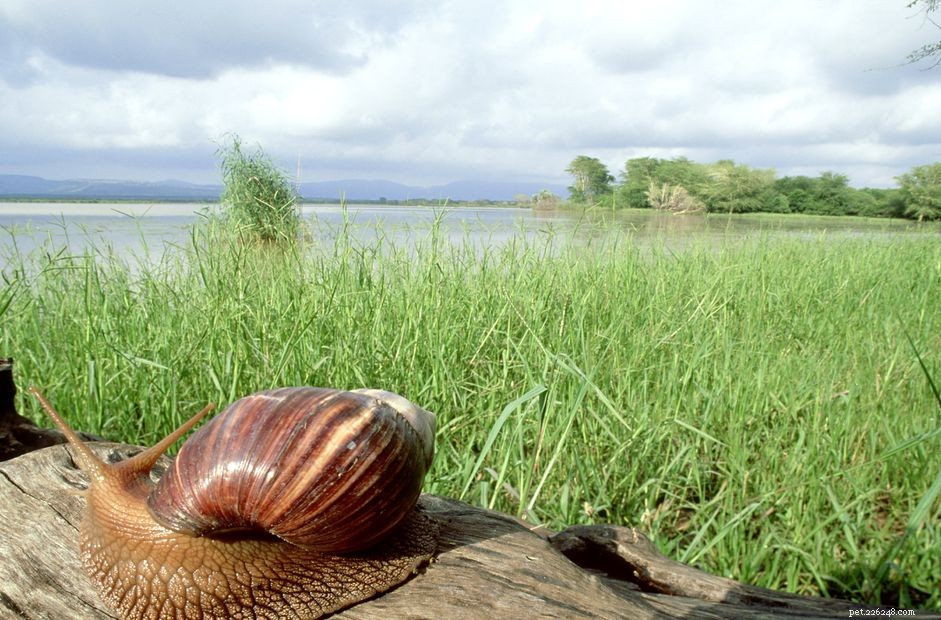 In This Article
- Legality
- Behavior and Temperament
- Diet
- Common Problems
- Size
- Reproduction/Breeding
- Purchasing
- Similar Pets to the Giant African Land Snail
While the giant African land snail might seem like a fun exotic pet to keep, it's considered one of the most invasive pests in the world and is illegal to own in the United States.
Warning
Giant African snails are believed to carry a parasite (in its slime, no less) that is responsible for a form of meningitis that is harmful to humans.
Breed Overview
COMMON NAME: Giant African Land Snail, East African Land Snail, West African Land Snail, Tiger Snail
SCIENTIFIC NAMES: Lissachatina fulica, Achatina fulica, Achatina marginata, Achatina achatina
ADULT SIZE: L. fulica grow to 3 or 4 inches long (shell length), and it can have a shell up to 11 inches long (the body inside would stretch to about 15 inches long)
LIFESPAN: Average about 5 to 6 years, but can live up to 10 years
Can You Own a Pet Giant African Land Snail?
Legality
Due to the risk of becoming a successful invasive species and being a serious agricultural pest, importation of giant African land snails into the United States is not permitted, and it is illegal to keep them as pets in the U.S.
Ethics
Because it is illegal to own a giant African land snail, it's also not ethical to keep one as a pet. According to the U.S. Department of Agriculture, the giant African Snail is a threat to both agriculture as well as human health, so owning one illegally is irresponsible and potentially dangerous. If the snail or its eggs were released in the wild, potential damage could include disease transmission and crop destruction.
Giant African Land Snail Behavior and Temperament
These huge snails are relentless omnivores and will eat everything they can. Fortunately, they're not carnivores. They are, however, extremely resilient, which is why efforts to eradicate them have proven difficult.
What Do Giant African Land Snails Eat & Drink?
Giant African land snails eat nearly constantly in the wild; they have voracious appetites.
In the U.S., the snail will happily eat at least 500 types of plants, including fruits and vegetables, ornamental plants, and tree bark. Because of its need for calcium to keep its shell strong, the snail will even eat wall plaster and stucco, damaging homes in the process.
Common Health Problems
Like other snails, giant African land snails are prone to estivation, which happens when it's in an enclosure or environment that is too dry. When this happens in captivity, the snail forms a membrane over the opening of its shell and seals itself inside,.
Snails also are susceptible to infestations of mites and flies. While most such pests are little more than a nuisance, some mites can burrow into the snail's body and make it lethargic and uncomfortable.
Most exotic pet veterinarians in the U.S. will not treat giant African land snails because they are illegal.
Size Information
Various species of these snails grow from 3 to 11 inches long,
Reproduction/Breeding
Giant African land snails are hermaphrodites, meaning they possess both the female and male reproductive organs. Two snails are still needed for breeding, but they are very prolific breeders. These snails can reportedly lay 1,200 viable eggs per year, with several hundred eggs in a single clutch.
If you currently own a giant African land snail, you must be extremely careful about disposing of the numerous eggs it produces. Infestations of giant African land snails can be a significant threat to indigenous plant life just about anywhere the animals live.
Purchasing a Giant African Land Snail
You can't legally purchase this animal in the United States. If you're caught trying to bring one into the country you could be fined by the United States Department of Agriculture. However, if you discover one and bring it to the attention of the USDA, the agency is likely to be grateful for the assistance and you won't be penalized.
Handling
It's a good idea to wear gloves if you're going to handle a giant African land snail. The animal's slime, or ooze, is believed to contain salmonella bacteria and parasites that are toxic to humans. Always wash your hands thoroughly after handling a snail.
Similar Pets to the Giant African Land Snail
If you’re interested in a pet like the land snail that's more readily available and legal to own, check out these options:
- Mantis Shrimp
- Land Hermit Crab
- Emperor Scorpion
Otherwise, check out other exotic animals that can be your new pet.
FAQ-
Where do giant African land snails naturally live?
All species of giant African land snails originally lived in East Africa, but they have been transported throughout the Indo-Pacific Basin, including the Hawaiian Islands, where they are harmful to native plant life and people as well.
-
Can you domesticate a giant African land snail?
Snails can not be domesticated. They're not affectionate companion animals.
-
How long do giant African land snails live?
They live from 5 to 11 years.
- Are Prairie Dogs Suitable as Pets? Considerations for Ownership
- Should You Keep a Capuchin Monkey? A Complete Guide to Care, Behavior, and Responsibilities
- Praying Mantis as a Pet: Is It Right for You?
- Is a Degu the Perfect Daytime Companion?
- Are Skunks Suitable Pets? A Comprehensive Guide to Ownership
- Keeping an African Giant Millipede as a Pet: What You Need to Know
- Raccoons as Pets: Risks, Responsibilities, and Alternatives