

Easy Freshwater Fish for Beginners: Low-Maintenance, Stress-Free Aquariums
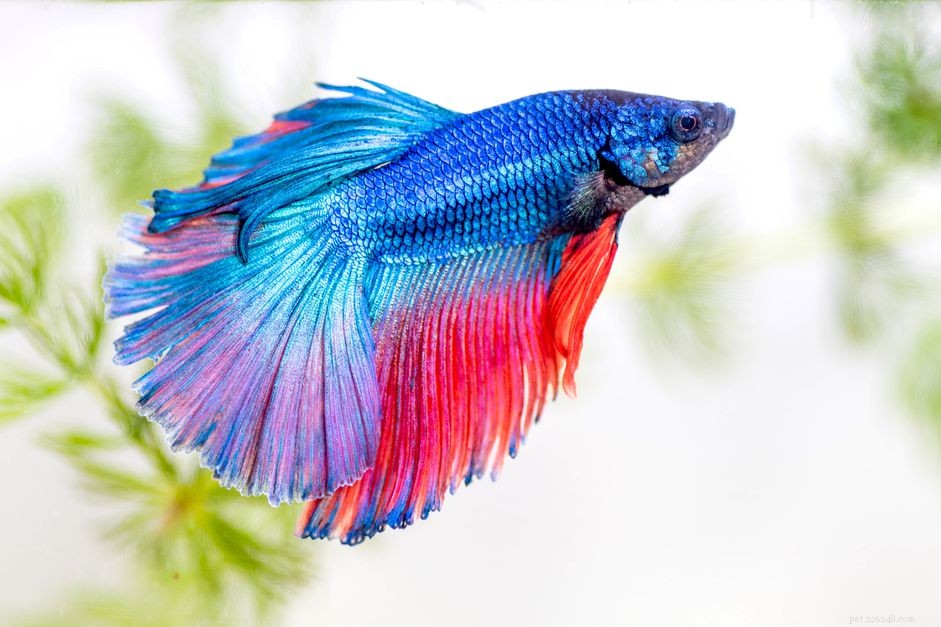
If you're looking to start a freshwater aquarium but aren't sure which fish to choose, you're in the right place. There are plenty of beginner-friendly fish to consider adding to your first aquarium, from betas to tetras. Starting and maintaining an aquarium can take some work, but some fish are much easier to start out with than others. Here are some of the best beginner fish to consider.
Calculating How Many Fish to Keep in Your Aquarium-
01
of 05
Standard Goldfish (Carassius auratus)
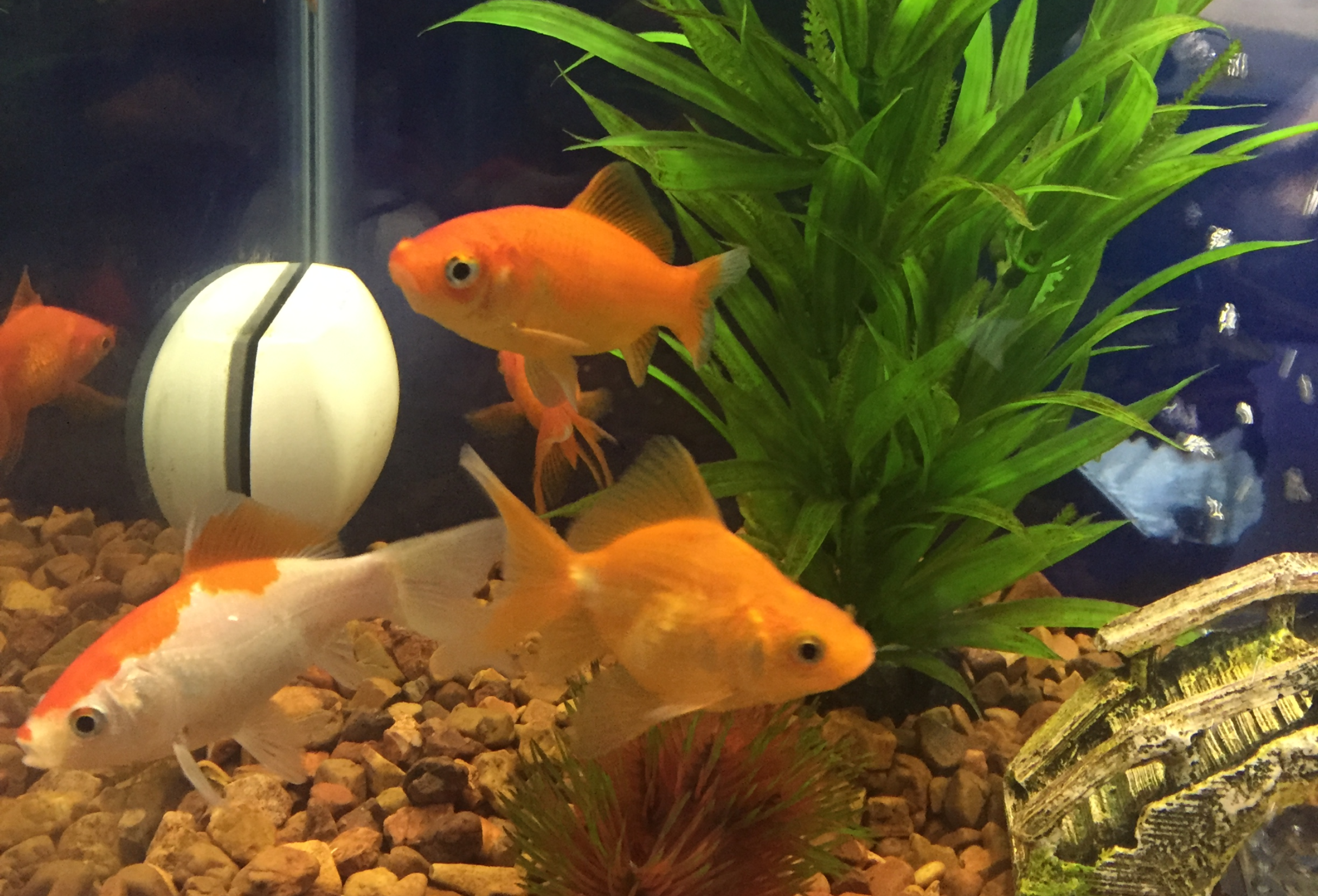
There are many varieties of goldfish, but beginners should start with long-body goldfish, including the comet, sarasa, and shubunkin varieties. Fancy goldfish are better for more intermediate fish-keepers. Comet goldfish can be white, orange, gold, or black, and although they start very small, can grow up to 14 inches or the size of a large dinner plate. Sarasa and shubunkin tend to stay smaller and can max out around eight to 10 inches.
No matter which type of goldfish you choose, keep in mind that you will need 20 gallons per fish, just to start! As they get bigger, goldfish will need upgrades to a larger aquarium.
Goldfish, in general, are not great feed converters, so they may produce more waste than other fish. Graduate them to a pelleted diet as soon as they are big enough to cut down on food waste adding to your ammonia waste.
Species Overview
Length: up to 10-16 inches
Physical Characteristics: Two sets of paired fins and three single fins, no scales on head, exceptionally large eyes, come in red, orange, blueish-grey, brown, yellow, white, and black colors
-
02
of 05
Neon Tetras (Paracheirodon innesi)
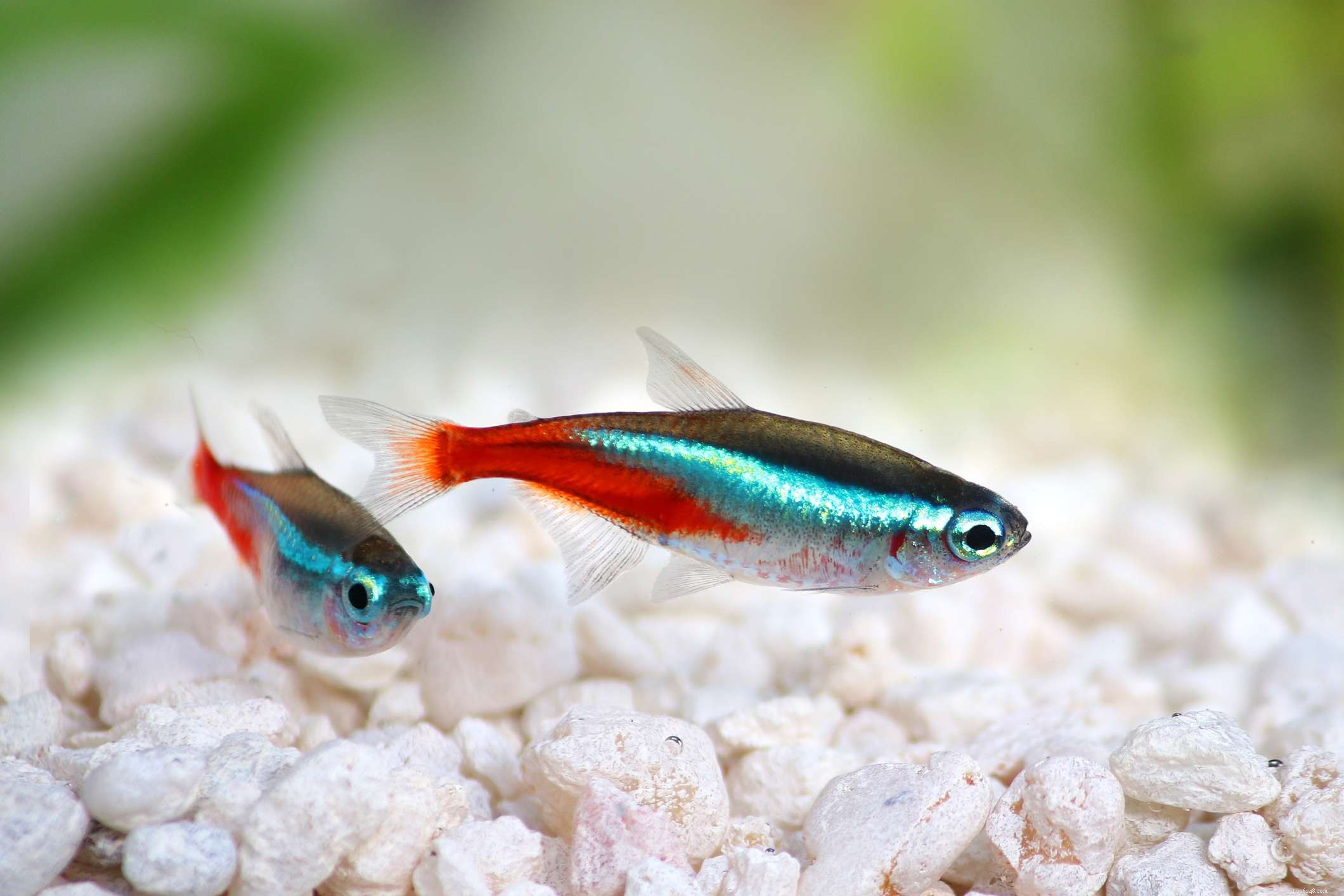
They may seem small, but a school of these brightly colored fish can be a great starter school. Bright streaks of blue and red make these fish a colorful addition to a community freshwater aquarium. Neon tetras tend to be very easy going and their small size makes them a minimal impact on water quality.
Starting at only a centimeter or so, Neon tetras can grow up to one and a half inches long. They like to school together, so start with at least three to five individuals. They are the ideal occupant for a mellow, zen-planted tank.
Neon tetras are easily bred in captivity, so be on the lookout for signs of inbreeding, including missing an operculum (gill cover), asymmetrical mouths, or misshapen fins. Heavily planted aquariums are needed to allow baby fish to hide and survive.
There are pelleted diets available that are small enough for neon tetras, but flakes can be substituted for very small fish.
Species Overview
Length: 1 and a half inches (4 centimeters)
Physical Characteristics: Red, white, blue, silver and black, usually with a turquoise blue line stretching between its eyes to its adipose fin, and a red stripe that runs from the middle of their body to the caudal fin
-
03
of 05
Betta Fish
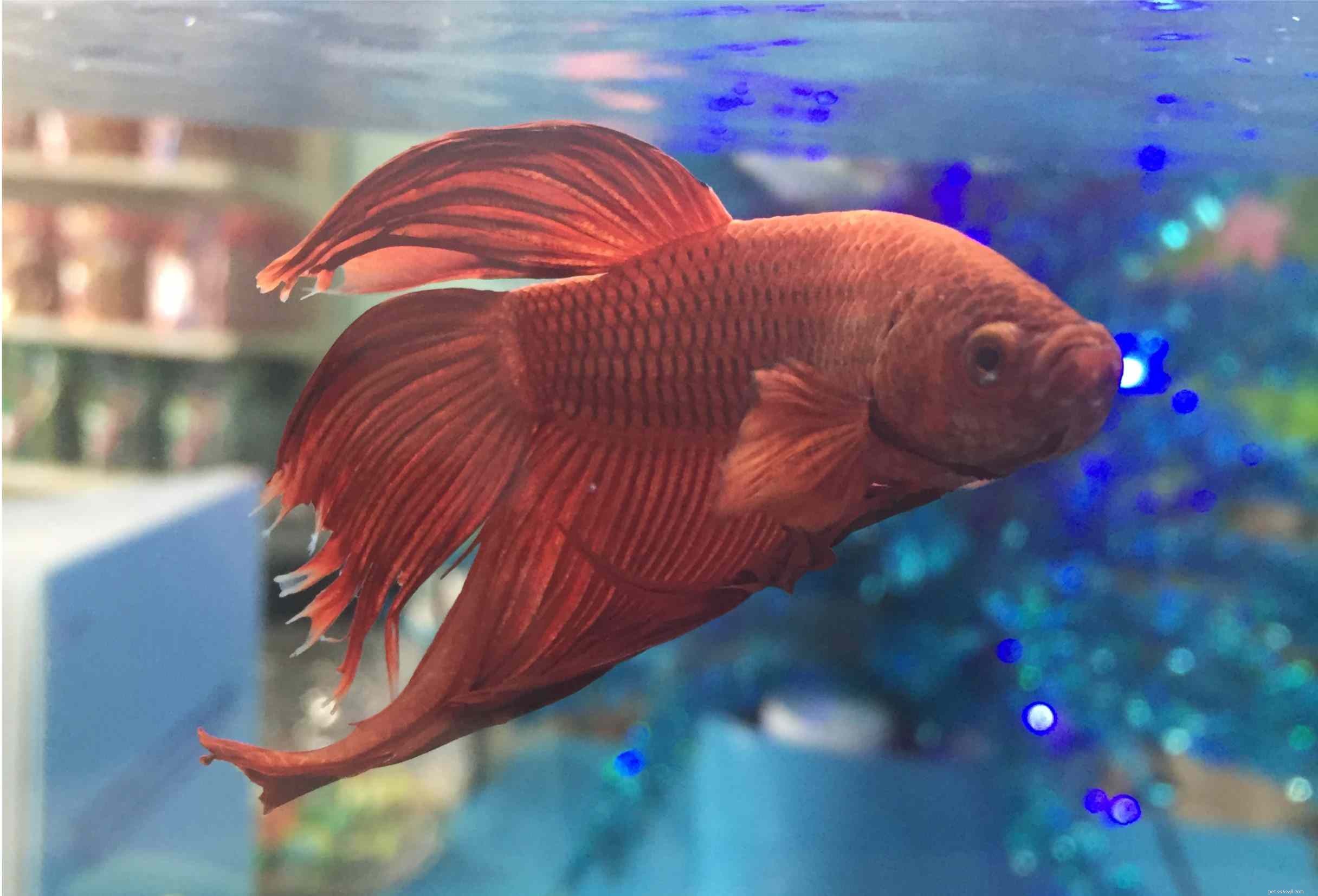
Bettas thrive in a five-gallon tank minimum, with a filter, heater, and thermometer. Being tropical fish, bettas should be kept at 78 to 82 degrees Fahrenheit (26 to 28 degrees Celsius). The bigger the volume of water, the easier it is for your heater to keep a constant temperature. Extra water also makes it easy for beginners to have a looser maintenance schedule.
With their long, delicate fins, bettas are prone to be knocked about by quick flowing water. Use an appropriately-sized filter and turn the flow all the way down or divert it so your betta doesn't get pushed around by the water flow.
Tip
Betta fins are easily torn on sharp decor items, so avoid anything with firm or sharp protrusions or opt for betta-specific decor.
Bettas will fight with each other, so males need to be kept separated. Female bettas can usually be kept together in a large enough aquarium. For beginners, it is recommended you start with one male betta fish in his own tank. Bettas are easy to keep when kept in a larger aquarium, and one male betta can be kept with similar-sized non-aggressive fish.
Be sure to not feed your betta too much, as their "stomach" is only about the size of their eyeball. They should never be allowed to eat their fill, but only as much food as they will eat in about 3 minutes, twice daily. Feeding quantity will depend on the size of your fish and pellet size. It is best that bettas eat betta-specific pellets in order to receive proper nutrition.
Species Overview
Length: 3-4 inches (7-10 centimeters)
Physical Characteristics: Long, elaborate fins and overlapping scales; come in vibrant colors like red, green, purple, and blue
-
04
of 05
Mollies & Platys (Live bearers)
:max_bytes(150000):strip_icc()/Mollie-5c1c19e946e0fb000152a5f9-2e6324f654f040c2abf65fbf8aa174f8.jpeg)
Many molly and platy owners start with only one or two fish. A few weeks later, they have many fish. Live bearing fish have this reputation as the fish you first adopted has a 50 percent chance of being a pregnant female. Since fertilization takes place internally, you never know from the outward appearance how many fish you may be adopting. And after a single mating, a female live bearer can have multiple batches of babies!
Mollies and platys are very easy fish to care for and come in many varieties and colors. They can be kept in schools and grow to about three inches in length. We recommend starting with a common variety that is widely available, such as black mollies or red platy. Some specialty breeds, specific to only one owner or shop, tend to have inbreeding issues and they do not make good beginner fish.
Most mollies and platys are hardy and easy to keep fish. They can eat a micro pellet or flake diet. It is recommended to start with a 10-gallon aquarium at a minimum, but know you may have to upgrade as your population increases.
With live bearing fish, it is important to always plan for more fish. Even beginner fish keepers can successfully rear several generations, doubling or tripling your initial numbers within a few months. However, you will need to slow production eventually, and unmonitored breeding will cause eventual inbreeding. Thankfully, most species are sexually dimorphic and males and females can be distinguished by external characteristics. The males have long pointed anal fins and the females have a fan-shaped anal fin. This allows you to separate males and females to keep populations from exploding.
Tip
You can try a tank divider, but it is safer to put males and females in separate aquariums if you don’t want continued breeding.
Continue to 5 of 5 below. -
05
of 05
Zebrafish (Zebra danio)
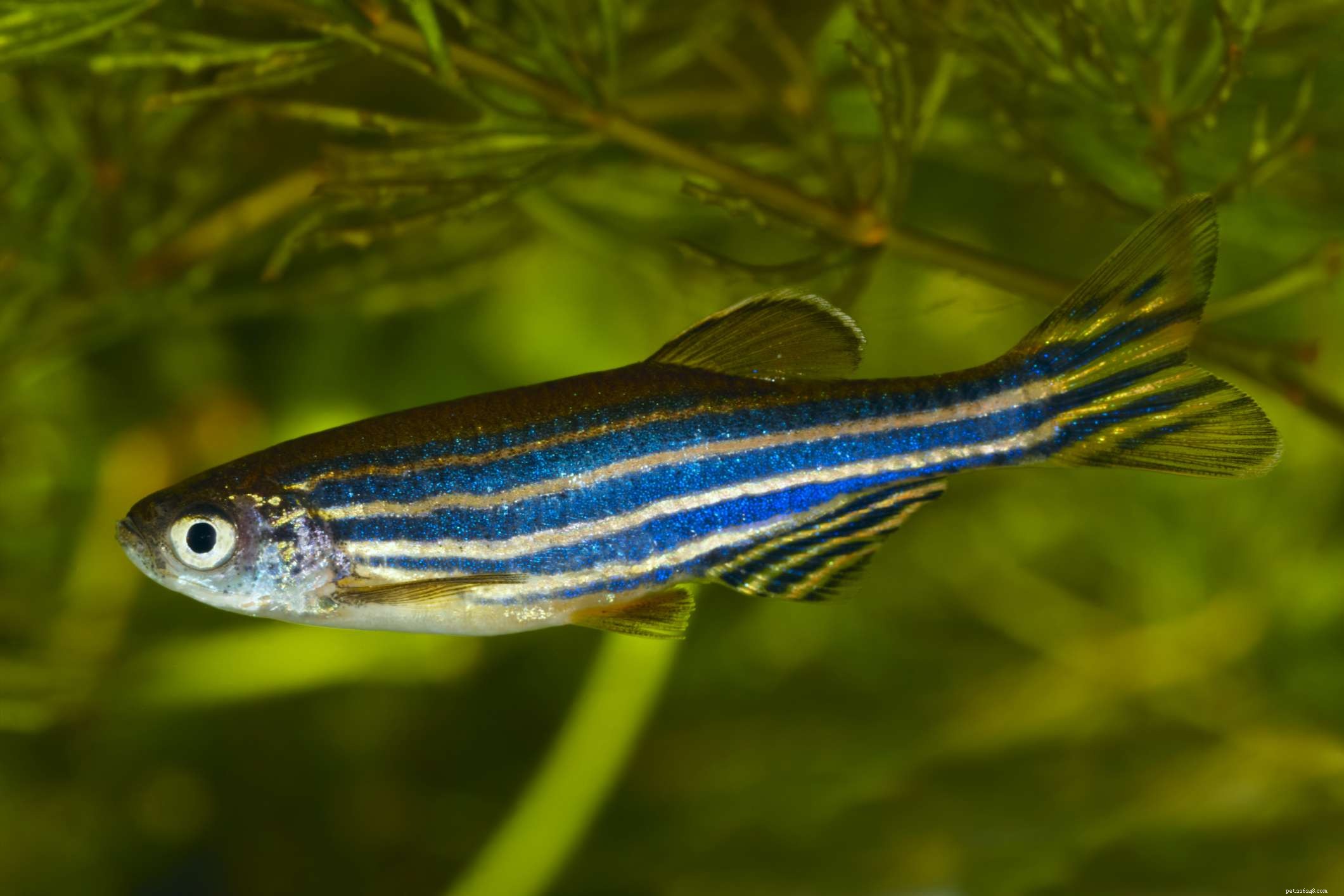
As their name describes, these cute, tiny fish are distinctive with their horizontal black and white stripes along their bodies. Another fish that likes to school in groups, zebrafish make great beginner fish. Unlike many other tropical fish, zebrafish don't like warm, water temperatures, so do not use pre-set heaters! Zebrafish like cooler temperature water (around 70 degrees Fahrenheit, or 21 degrees Celsius), so you may need a small heater to keep your tank from getting too cold in the winter.
Zebrafish also come in normal and long fin-lengths. This species will top out at one and a half to two inches. They even come in special day-glow colors, thanks to a little genetic engineering with fluorescent jellyfish protein. These colors can be very pronounced under a blue LED light. When selecting specialized zebrafish varieties, look for individuals with straight spines and a full operculum covering their gills on both sides.
Zebrafish are great beginner pets without the hassle of keeping an eye on a heater constantly. They can eat standard topical micro pellets or flake fish food. As with all other aquatic pets, keep up with your regular maintenance schedule to keep their water clean and healthy.
Species Overview
Length: 2 inches (5 centimeters)
Physical Characteristics: Silver-gold body with distinctive blue-black horizontal stripes running from gill to tail, also come in albino, golden, veil-tailed and long-finned varieties, as well as glo-fish colos
Getting into the aquarium hobby is an exciting experience! Once you have decided on what species to keep, do your homework and plan a suitable aquarium for the fish you get. Keep in mind that all new tanks will need to undergo nitrogen cycling before becoming established systems. By starting with a low number of fish in a lot of water, you can set yourself up for success.
FAQ-
Why can't freshwater fish live in saltwater?
Freshwater fish can't live in saltwater because their bodies aren't equipped to process the salt in saltwater: they will actually die of dehydration if they're put in the wrong water.
-
How do you set up a freshwater fish tank?
Once you've determined a location for your tank (safe from other pets, away from windows and outside doors, air conditioners, and heating vents), make sure it's in a sturdy, level location near a few electrical outlets.
Place the tank in its desired place and set up the filter. Ready the substrate by rinsing it well, and set it and the decorations into the tank. Fill the tank with water, and add the heater according to the manufacturer's instructions but wait about 20 minutes to plug it in.
Wait for 24 if not 48 hours before adding any fish; the water may turn cloudy, which is normal, but wait for that to clear up before adding fish.
-
How often should you feed freshwater fish?
It's fine to feed your fish once or twice a day.
- Sustainable Ways to Feed Your Dogs: Healthy Fish Treats & Alternatives
- Saprolegnia: Identifying, Treating, and Preventing Water Mold in Freshwater Fish
- Choosing the Right Goldfish Tank Size: A Guide for Healthy, Happy Fish
- Beginner's Guide to Breeding Aquarium Fish: Essential Tips & Success Strategies
- Ideal Tank Mates for Goldfish: Compatible Species & Care Tips
- 22 Small Freshwater Fish Perfect for Your Aquarium
- Top Beginner-Friendly Freshwater Fish for a Stress‑Free Aquarium