

Top 7 Puppy Diseases to Watch: Early Signs & Prevention

As much as you don't like to think about it, there are a few common puppy diseases that may strike your new little friend. When puppies get sick, it comes on quicker and takes them longer to get well than it does for adult dogs. That's why it's important to be able to recognize the signs and symptoms
When you know what to look for in a puppy's behavior you will have a better idea of what to do. Some things are an emergency while others may be able to wait until tomorrow before you call the vet.
-
01
of 07
Parvo
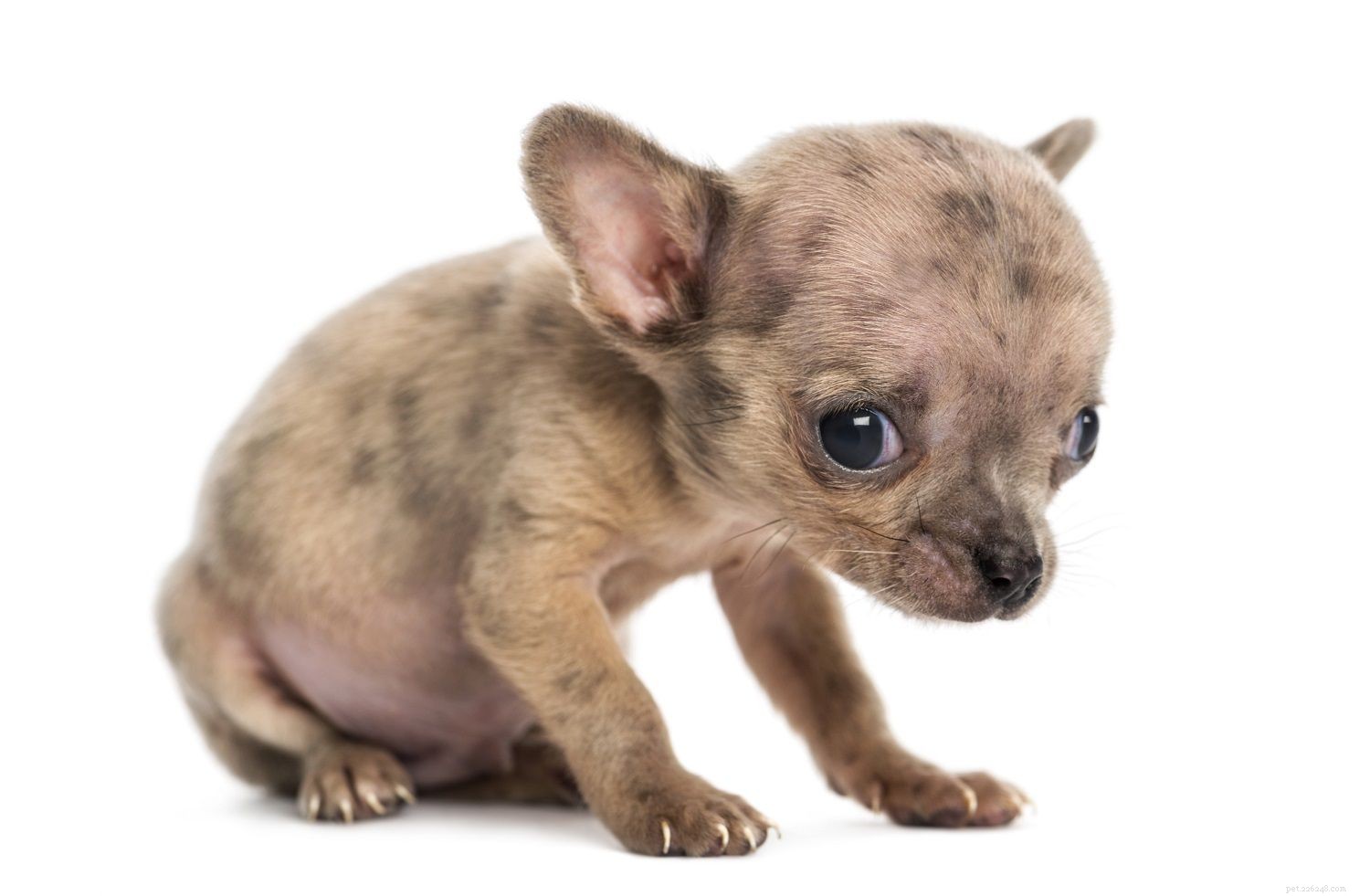
Parvovirus (commonly known as parvo) most often affects young dogs that have not been vaccinated or not vaccinated to the full extent. Vaccination can help prevent parvo. Unfortunately, parvo can also be a cause of sudden death for puppies.
The symptoms of parvo include bloody diarrhea, vomiting, lethargy, and a loss of appetite. It's caused by a virus and sick puppies need to be seen by a vet as soon as possible so it can be treated with the right medications. It's likely that the puppy may need to be hospitalized as well. All breeds are at risk, but a few breeds that might be predisposed to parvo include the Rottweiler, Doberman pinscher, and American pit bull terrier.
-
02
of 07
Distemper

Distemper also affects young puppies and even those that recover may suffer permanent neurological damage. It is a preventable disease if dogs are vaccinated appropriately but can be devastating if they get it.
Symptoms of distemper include yellow-colored diarrhea, trouble breathing, weakness, neurologic signs and lethargy. Puppies may also have seizures or seem weaker or less coordinated than normal. Unfortunately, distemper can be fatal, and prompt veterinary care should be sought.
-
03
of 07
Kennel Cough
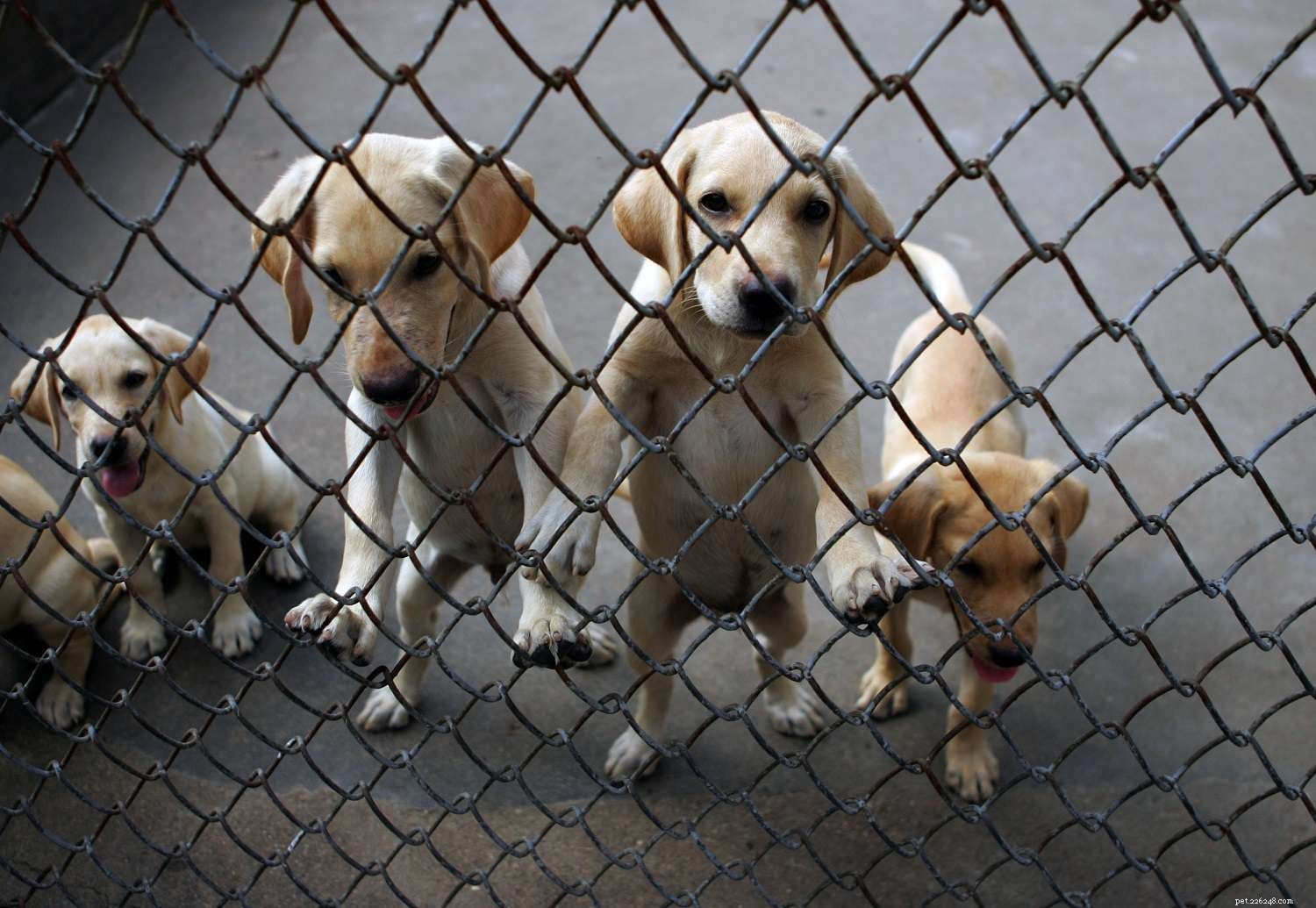
Kennel cough is characterized by an aggravating honking cough. It's highly contagious and often contracted from highly populated dog areas like dog shows, kennels. or even boarding your puppy during vacations.
In most cases, the disease improves with supportive care but can be difficult to distinguish from other respiratory diseases. If you suspect your dog has kennel cough, keep them away from other dogs and contact your veterinarian. Cough suppressants are sometimes prescribed to control persistent nonproductive coughing. Antibiotics are usually not needed except in severe chronic cases.
-
04
of 07
Vomiting
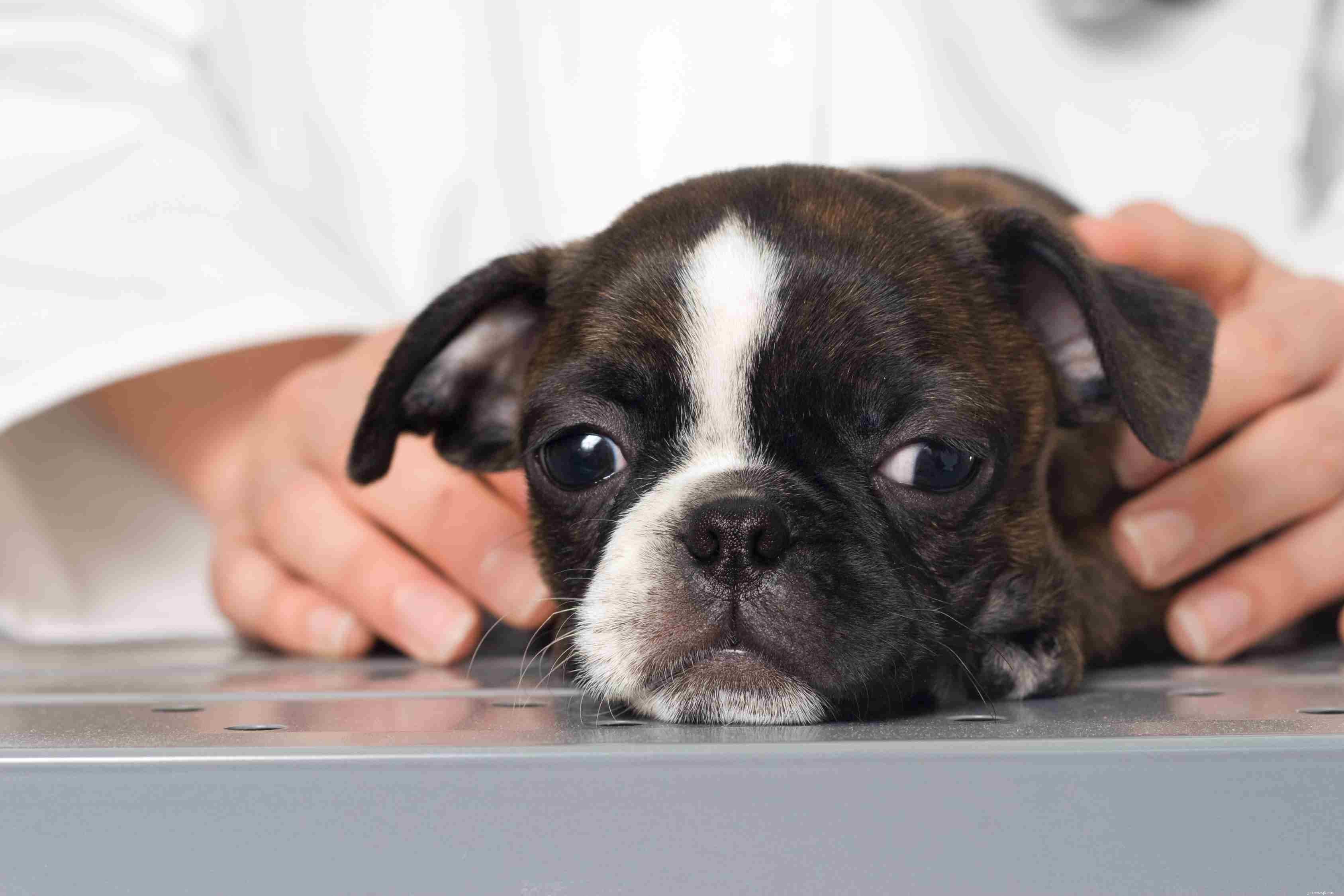
Vomiting can be a sign of serious illness for a puppy. If your dog vomits always contact your veterinarian and do not wait if they advise you to come in.
The causes of vomiting vary greatly from having an upset tummy to having a life threatening blockage in their intestines to having systemic disease. It can even happen if a dog eats too fast. Regardless, always reach out to your veterinarian who can help you determine what to do.
Continue to 5 of 7 below. -
05
of 07
Diarrhea

Puppy diarrhea can be one symptom of serious disease. Viruses like distemper and parvo, intestinal worms, or just eating the wrong thing (like getting in the garbage) can result in diarrhea.
The key to knowing whether diarrhea is an emergency or not is to call your veterinarian. If a dog is acting normal otherwise, you vet may advise youe you to feed a bland diet. If a dog has decreased energy or the diarrhea is not improving quickly, then it is best to bring your pet in right away for an exam. You should also call the vet if your dog also has vomiting, severe pain, fever, loss of appetite, or lethargy.
-
06
of 07
Fleas

Fleas carry disease and are uncomfortable for your dog. They can even cause anemia in dogs in severe infesetations. Flea prevention that is recommended by your veterinarian should be given to your pet year round to help prevent your pet from contracting fleas. This applies to dogs that are mostly indoor or outside alot.
Itching is the first sign that your puppy may have blood sucking fleas. You'll also want to examine their fur for "flea dirt." If a dog is itching excessively, best bring them in to the vet. Treating the environment is often not enough to get rid of fleas and each pet in the home should be on a flea prevention as recommended by your veterinarian.
-
07
of 07
Ticks
Ticks are parasites that not only suck blood but also spread diseases. This is another common parasite that can be a big problem and ticks do not differentiate between puppies and full-grown dogs.
Using a tick prevention as recommended by your veterinarian is the best thing you can do to help prevent ticks from feeding on your dog and transmitting disease. It's a good idea to understand the life cycle of ticks, how to prevent them, vaccines that are available and ways to safely remove them from your puppy without exposing yourself to disease.
When Puppies Swallow Something Bad
- Top 5 Cat Health Issues Every Owner Should Know
- Essential Eye Health Guide: Recognizing and Managing Common Cat Eye Problems
- 10 Common Stress Triggers in Cats and How to Mitigate Them
- Bearded Collie Puppies: The Ultimate Owner’s Guide
- Puppy Paw Care: 4 Essential Tips Every Owner Should Know
- Effective Puppy House Training: Proven Tips for Success
- Parvovirus in Puppies: A Comprehensive Guide to Prevention and Care