

Eurasier Dog Profile: History, Care, Health & Adoption Guide
:max_bytes(150000):strip_icc()/fullsizeoutput_5e66-e33c95148a434b8ba31ddee5c41d2657.jpeg) In This Article
In This Article
- Characteristics
- History
- Care
- Health Problems
- Diet and Nutrition
- Where to Adopt or Buy
- Further Research
The Eurasier is a relatively new breed developed in Germany in the 1960s and 1970s specifically to be an exceptional family pet. This is a breed of moderation. Not too small and not too large, the Eurasier is gentle and calm in the house, and can even live happily in apartments if exercised daily. It’s active and athletic, but it doesn’t have boundless energy and needs only moderate daily exercise.
The Eurasier’s gorgeous fluffy coat is naturally clean, needs minimal grooming, and sheds very little. Intelligent and easily trained, this dog is good-natured and loyal.
The breed is extremely attached and loving with its family, including children. Although they are generally accepting of strangers, they tend to be reserved, preferring to save their affection for their beloved family.
The Eurasier must be part of family life, inside the home. The breed bonds tightly and does not do well if left alone too much. They are not aggressive and usually don’t have a high prey drive, so they are often good with other animals, including other dogs and cats, and even smaller pets, when properly supervised.
Breed Overview
Group: AKC Foundation Stock Service
Weight: 40 to 70 pounds
Height: 19 to 24 inches tall at the shoulder
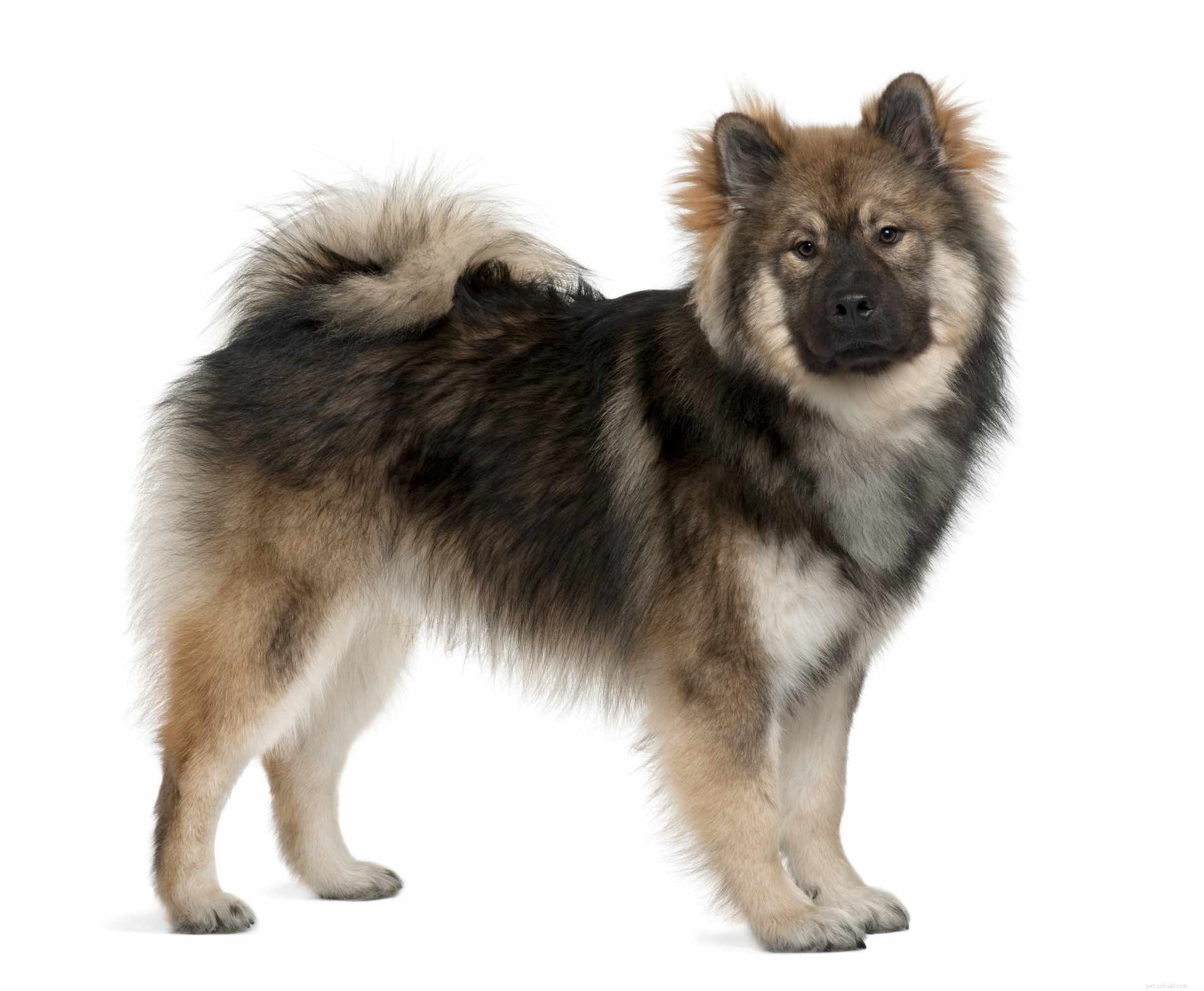
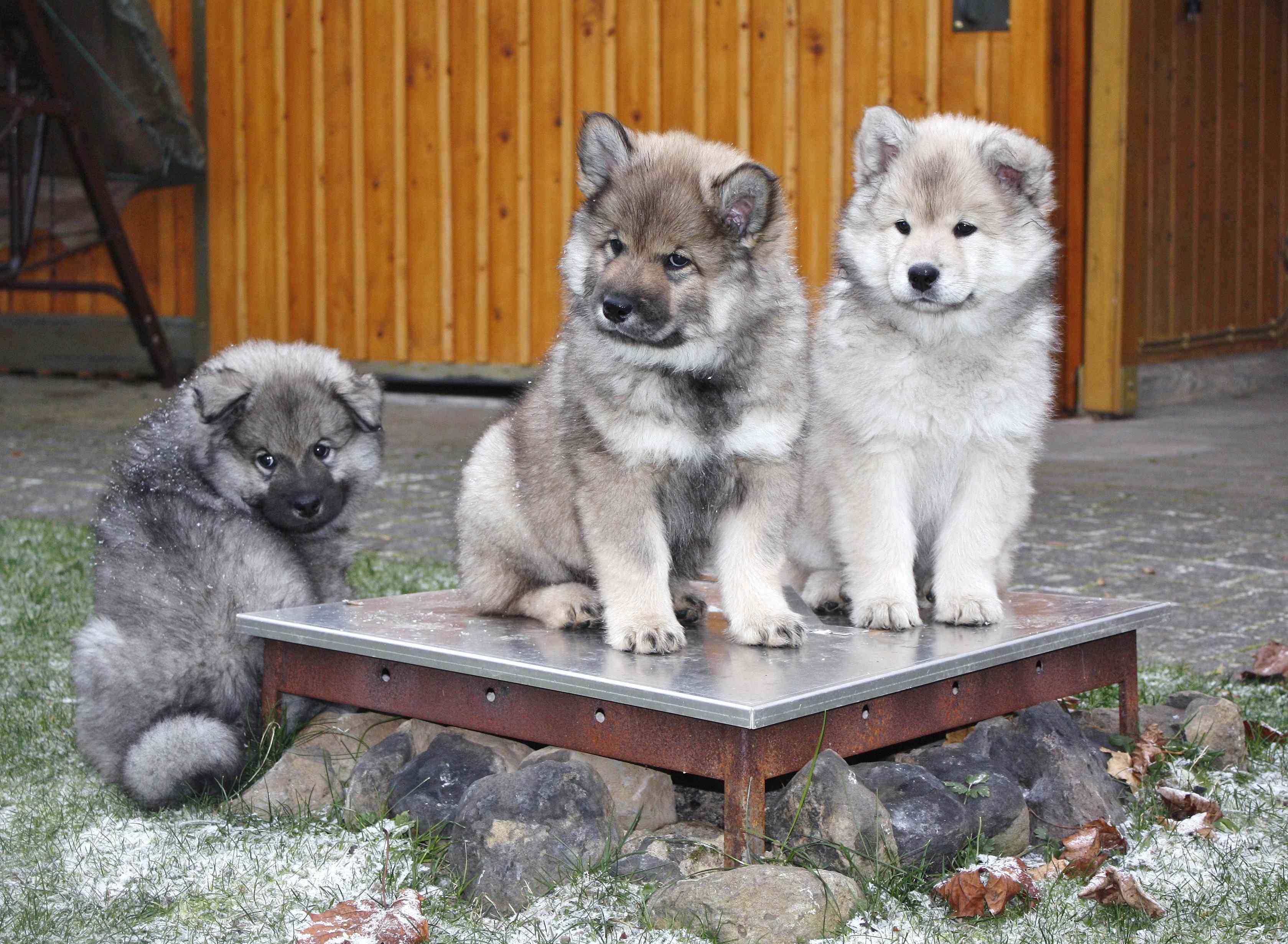
Coat: The double coat consists of a medium-long, straight, loosely lying outer coat and a thick undercoat. The hair is shorter on the face, ears and fronts of the legs and longer on tail, backs of the legs, and neck.
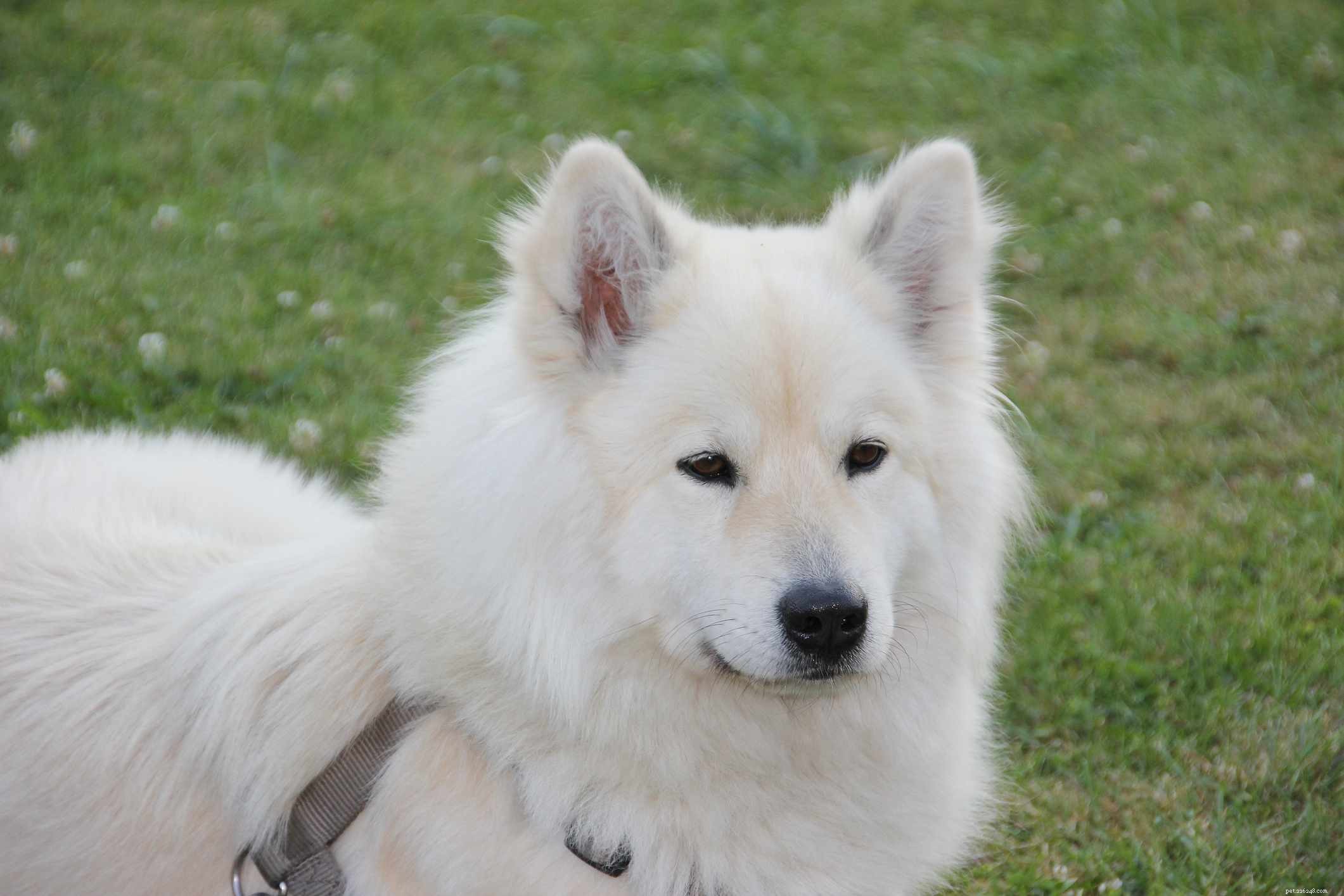
Color: Any color or combination of colors except pure white and piebald. The tongue is sometimes blue-black or speckled pink and blue-black.
Life Expectancy: 14 years
Characteristics of the Eurasier
History of the Eurasier
The Eurasier was the fruition of one man’s dream to develop the ultimate family dog. Julius Wipfel, who lived in Weinheim an der Bergstrasse in Germany, owned two special dogs with different personalities. One, a male black spitz-type dog of mixed origin, was very wolf-like in behavior, intelligent, and independent. When that dog passed away, he acquired a female Wolfspitz, called a Keeshond in the United States, which was less wolf-like, but much easier to live with. Longing for a perfect blending of both types of dog—primitive and independent, but adaptable and social—Wipfel set out to create a new breed.
Wipfel wanted this new breed to be attractive, medium in size, calm, even-tempered, affectionate, and extremely adaptable to family life. He started in the 1960s by crossing the Wolfspitz and Chow Chow, calling it the Wolf-Chow. Although the Wolf-Chow was close to what Wipfel set out to achieve, the new breed needed more genetic diversity, so the Samoyed was introduced in the 1970s.
The introduction of the Samoyed, with its friendly personality, proved to be just what the breed needed to become the perfect family dog. Wipfel and other breeders who collaborated with him had created what they considered the ideal breed.
The breed name was changed from Wolf-Chow to Eurasier to indicate the breed’s origin from European and Asian breeds.
Today, the Eurasier is found throughout Europe, though it’s rare in the United States. The United States Eurasier Club, which is the national parent club for the breed, estimated there were only about 150 of these dogs living in the United States as of the year 2000.
It is recognized by the United Kennel Club in the Northern Breed Group and is part of the American Kennel Club’s Foundation Stock Service (a stepping stone toward full recognition).
Eurasier Care
The Eurasier’s soft, profuse, moderately long coat sheds very little and is surprisingly easy to maintain with just a thorough brushing out once or twice a week. Eurasiers are naturally very clean and rarely have any doggie odor. Bathe the Eurasier when dirty, trim the nails weekly or every other week.
The Eurasier is extremely smart and generally wants to please, so they are highly trainable. The Eurasier is a sensitive breed—avoid harsh training methods and try gentle and positive techniques, like clicker training, using lots of treats and praise.
They are able to watch over the home but are not aggressive or a problem barker.
Although Eurasiers are up for hiking with you, daily walks, off-leash running and play usually meet the breed’s exercise requirements.
They are athletic and enjoy the physical and mental challenge of training for dog sports and activities such as agility, flyball, obedience and herding.
:max_bytes(150000):strip_icc()/fullsizeoutput_5e6c-92ceba15fbad40309e95c8a9f548543f.jpeg)
Common Health Problems
Eurasiers are exceedingly healthy and hardy and boast a long average life span of 14 years. However, like most purebred dogs, Eurasiers are prone to developing certain inherited conditions. These include:
- Hip dysplasia
- Elbow dysplasia
- Patella luxation
- Thyroid disorders
- Missing teeth
- Distichiasis (double eyelashes)
The appearance of these genetic issues is kept to a minimum with robust testing of adult dogs before breeding them. The United States Eurasier Club requires all breeders in good standing to screen their dogs for issues with patellas, elbows, hips, eyes, and thyroid prior to breeding.
Diet and Nutrition
Many Eurasiers are light eaters, and some are downright picky. Though not prone to overeating, it’s good practice to feed measured meals twice a day rather than leaving food out all the time (known as free feeding).
Ask your breeder or veterinarian to recommend a good food for your Eurasier, as well as how much to feed.
10 Dog Breeds That Look Like Bears Pros
Pros
Wonderful family dog
Clean and calm in the house
Easy-care, low-shedding coat
Cannot be left alone for long periods
Sensitive to upset in the family
Some are picky eaters
Where to Adopt or Buy a Eurasier
If you have your heart set on a Eurasier puppy, get ready to wait. The United States Eurasier Club publishes a list of breeders on its website, but there are currently less than 10 breeders in the United States. You’ll likely be put on a waiting list for a puppy.
Adult Eurasiers sometimes find themselves in need of rehoming. The United States Eurasier Club also operates a rescue program via its website.
More Dog Breeds and Further Research
If you like the Eurasier, you might also like these breeds:
- Chow Chow
- Keeshond
- Samoyed
Otherwise, check out all of our other dog breed articles to help you find the perfect dog for you and your family.
- Boerboel Dog Breed Guide: Traits, History, Care & Adoption Tips
- Beauceron Dog Breed Profile: History, Traits & Care Guide
- Akbash Dog Breed: History, Traits, and Care Guide
- Komondor Dog Breed Profile: History, Care, and Characteristics
- Norrbottenspets Dog Breed: Traits, Health, Care & Adoption Guide
- Mudi Dog Breed Overview: History, Traits, Care, and Adoption Tips
- Chinook Dog Breed Profile: History, Traits, and Care