

Understanding Addison’s Disease in Cats: Causes, Symptoms, and Treatment
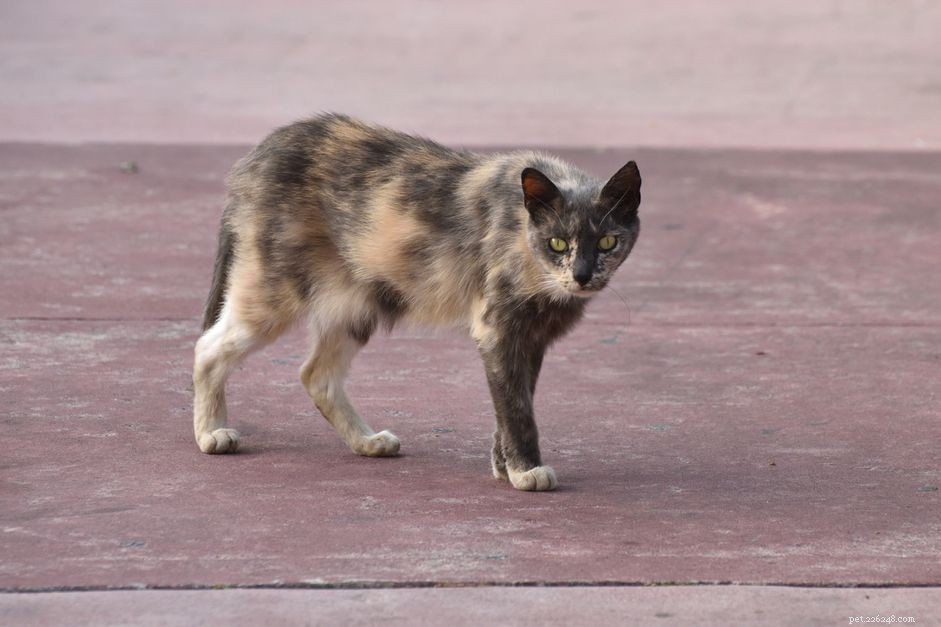
Addison's disease is a disease of the adrenal glands resulting in decreased production of vital steroid hormones (mainly aldosterone). As a result of the disease, cats can develop a multitude of abnormalities which if left untreated could lead to death. It's important to recognize signs of the disease to ensure your cat receives veterinary care.
What Is Addison's Disease in Cats?
Addison's disease, also known as hypoadrenocorticism, is a disease of the adrenal glands. The adrenal glands are a set of small glands inside a cat's abdomen that are located near the kidneys. The adrenal glands are vital for life, responsible for regulating blood pressure, blood volume, and vascular tone. Addison's disease occurs when the adrenal glands has decreased production of aldosterone (a vital steroid hormone). As a result of the low aldosterone production, the body is unable to regulate the potassium, sodium, and chloride Excessive amounts accumulate in the blood stream, leading to cardiovascular and other organ complications.
Cats with Addison's disease may not be consistently sick until the disease has progressed. Signs of Addison's Disease in a cat include: lethargy, cecreased appetite, weight loss, muscle weakness, vomiting, diarrhea, and dehydration. Initially vomiting and diarrhea is noted, however as the disease progresses more clinical signs are noted. If left untreated, cats may develop an adrenal crisis in response to stressful conditions. Thus, if you notice any of these clinical signs, it important to seek veterinary attention if your cat is acting abnormally
Signs of Addison's Disease in Cats
- Lethargy
- Decreased appetite
- Weight loss
- Vomiting
- Diarrhea
- Skin tenting from dehydration
- Loss of muscle mass
Causes of Addison's Disease in Cats
Addison's disease is rare in cats, it is thought to occur as a result of an autoimmune condition. It can also occur if a cat has a space occupying mass/tumor within or compressing its adrenal gland.
Diagnosing Addison's Disease in Cats
In order to diagnose a cat with Addison's disease, your veterinarian will start by performing a full physical examination and obtaining a patient history. If Addison's disease is suspected, a series of diagnostic tests will be recommended to check organ function and look for any indications of disease.
Treatment of Addison's Disease in Cats
Depending on how severe your cat's Addison's disease is will determine the treatment course. IV fluids help correct dehydration and restore electrolyte levels to normal. Hormone replacement treatment can often be started while the animal is being stabilized. Addison's disease cannot be cured so lifelong management of the disease is necessary with the use of medications. Long term prognosis is good for most cats with Addison's disease unless the reason for the disease is due to a tumor.
- Heartworm in Cats: Rising Threat, Early Detection & Prevention
- Addison's Disease in Dogs: Symptoms, Diagnosis & Treatment Guide
- Cat Vestibular Disease Explained: Symptoms, Diagnosis, and Care
- Lyme Disease in Cats: Signs, Diagnosis, and Care
- Cat Heart Disease: Recognizing, Diagnosing, and Caring for Feline Hearts
- Understanding and Managing Liver Disease in Cats: Early Detection & Treatment
- Recognizing and Preventing Kidney Disease in Cats: A Guide for Pet Parents