

Understanding Mastitis in Dogs: Causes, Symptoms, and Treatment
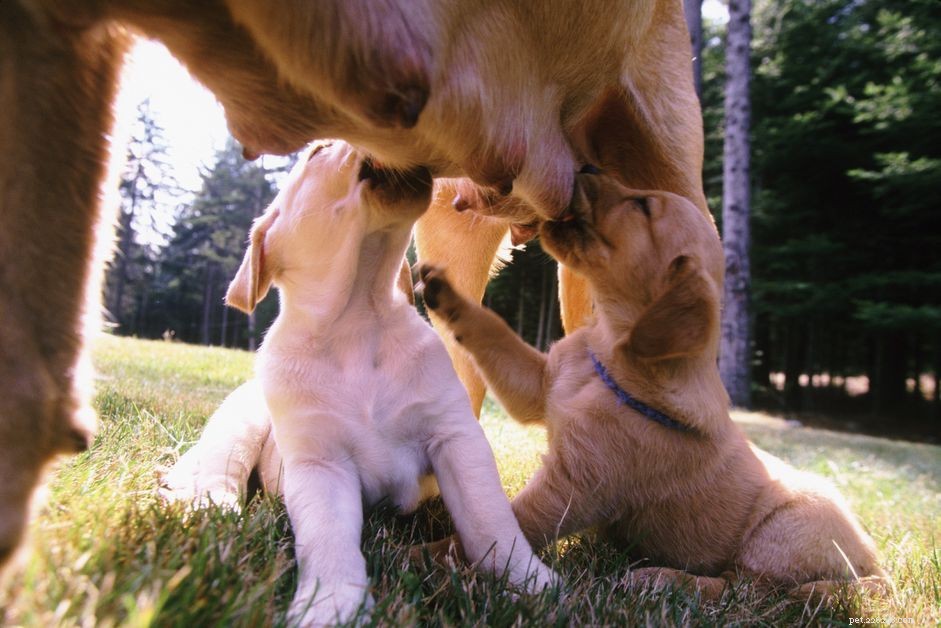
Mastitis is a condition when the mammary glands become inflamed usually due to milk accumulation or bacterial infection. An evident sign of mastitis is when a dog has swollen breasts, and it may also look inflamed. Three common causes of mastitis are trauma of the teat, excess milk accumulation, and dirty environmental conditions.
Although this condition is often thought of as a problem associated with pregnant or nursing female dogs, it can affect any dog with mammary glands including males. Knowing how to avoid and treat this condition is important for your dog's health and well-being.
What Is Mastitis in Dogs?
Mastitis occurs when the mammary glands, which are located in the breasts of dogs, become inflamed, typically due to a bacterial infection or milk accumulation. Bacteria enter the gland through the opening in the teat and cause an infection, inflammation, and other problematic symptoms of mastitis. Other times, bacteria are not involved and mastitis simply occurs as a result of excess milk accumulation in the mammary gland.
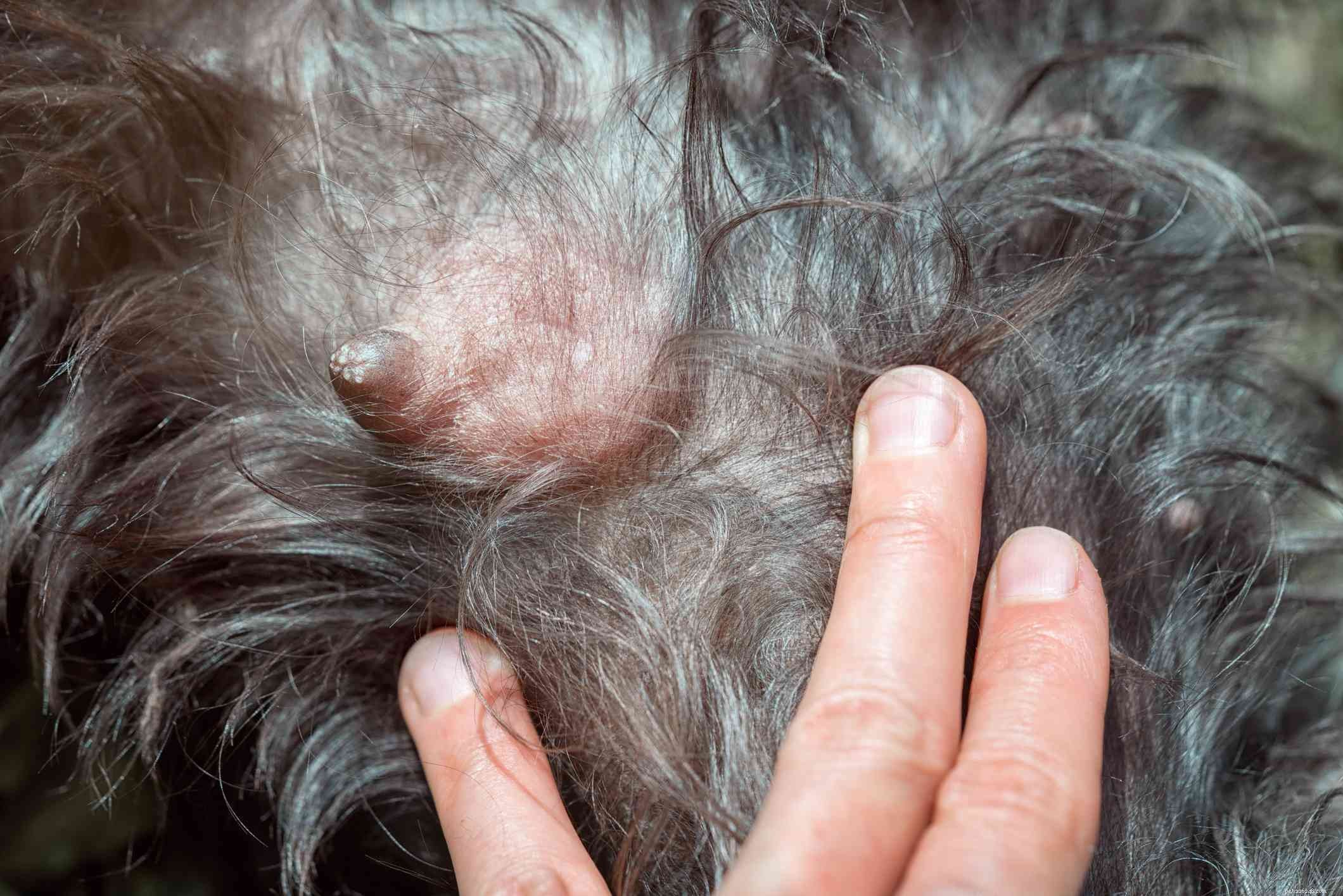
The most common sign of mastitis in a male or female dog is a swollen breast. One or multiple breasts can be infected and swollen and this swelling is not limited to just nursing or pregnant dogs. As breasts swell, they may also become inflamed, discolored like a bruise, and even develop ulcers or sores on them. The teats may also become very inflamed and larger than usual. Some blood or pus can even ooze from the teat. If you touch your dog's mammary glands, they may feel hot to the touch due to inflammation and infection and they may be painful. Belly rubs are not wanted by most dogs with mastitis due to the sensitivity and pain it causes their mammary glands.
In early cases of mastitis in a nursing dog, you may notice that the puppies aren't gaining any weight if they are attempting to nurse from a breast with mastitis. You may also notice that the milk that is produced may contain blood or pus and your dog may be reluctant to nurse its puppies as the mastitis worsens. Painful mammary glands only hurt more if puppies start nursing from them so a nursing dog with mastitis may try to get away from its puppies and not allow them to nurse.
As the infection in the mammary gland spreads, a dog may become septic if mastitis is not treated. Vomiting, diarrhea, and even anorexia are typically seen in these dogs.
Signs of Mastitis in Dogs
- Swollen breasts
- Discolored breasts
- Inflamed or red teats
- Swollen teats
- Ulcerated breasts
- Mammary glands that are hot to the touch
- Blood or pus in the milk
- Blood or pus oozing from the teats
- Painful breasts
- Lethargy
- Anorexia
- Vomiting
- Reluctance to allow nursing
- Nursing puppies aren't gaining weight
Causes of Mastitis in Dogs
The most common cause of mastitis is due to bacteria entering the mammary gland but it can also occur simply from too much milk in the gland.
- Trauma: The most common reason for a dog to develop mastitis is due to trauma of the teat. Trauma from a nursing puppy or another type of injury allows bacteria, such as E. coli, to enter the mammary gland through the teat canal. This results in a bacterial infection.
- Excess milk accumulation: Occasionally too much milk is produced and it accumulates in the mammary gland. This pressure can cause mastitis without a bacterial component.
- Dirty environments: Trauma isn't the only way bacteria can enter the teat canal. Simply being in a dirty environment can allow bacteria to cause an infection in the mammary gland.
Diagnosing Mastitis in Dogs
After a medical history is obtained and a complete physical examination is performed, your veterinarian will most likely diagnose your dog with mastitis based on the physical findings, especially if it is a female dog that is pregnant or nursing. Occasionally a sample of any discharge from the teat will be examined under a microscope to see if there is evidence of blood or bacteria. If you have a male dog with mastitis or a female dog that is not pregnant or nursing, further testing may be performed to rule out other problems such as mammary cancer.
Treatment and Prevention of Mastitis in Dogs
If your dog is diagnosed with mastitis, oral antibiotics and anti-inflammatory medications will most likely be prescribed. Mastitis does not typically require hospitalization unless your dog has become septic or requires surgical removal of severely diseased glands.
If the mastitis is due to an over-accumulation of milk, the breast may need to be gently milked by hand to express the excess. A cabbage leaf compress may also be recommended to help with pain and inflammation. This involves applying a bandage around your dog's body to hold the cabbage leaf in place but it should be removed to allow puppies to nurse. Finally, keeping the mammary glands clean is important not only in helping treat mastitis but also in preventing it from occurring in the first place. Regular bathing and wiping of the mammary glands of lactating dogs is an important part of keeping them clean and healthy.
- Mastitis in Dogs: Key Symptoms, Causes, and Quick Detection
- Understanding and Preventing Bordetella Infections in Dogs
- Vitiligo in Dogs: Causes, Symptoms & Care Guide
- Leptospirosis in Dogs: Causes, Symptoms, and Human Health Risks
- Mastitis in Female Dogs: Symptoms, Risks, and Effective Treatments
- Mastitis in Dogs: Causes, Symptoms, and Effective Treatment
- Dog Mastitis: Recognizing Symptoms, Causes & Effective Treatment