

Italian Greyhound: Key Traits, Care Tips, and Adoption Guide
 In This Article
- Characteristics
- History
- Training and Care
- Health Problems
- Diet and Nutrition
- Where to Adopt or Buy
- Breed Overview
- Further Research
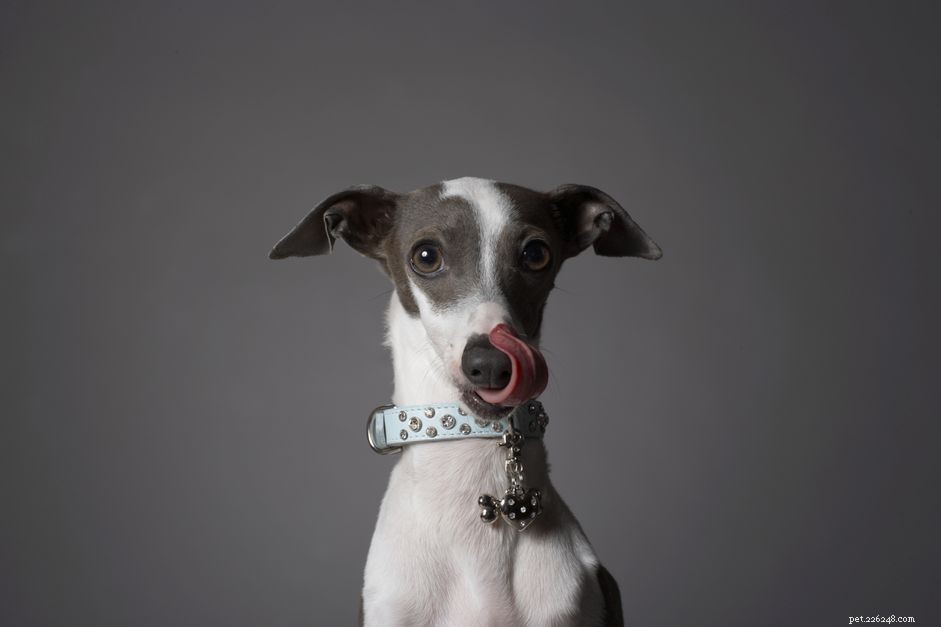
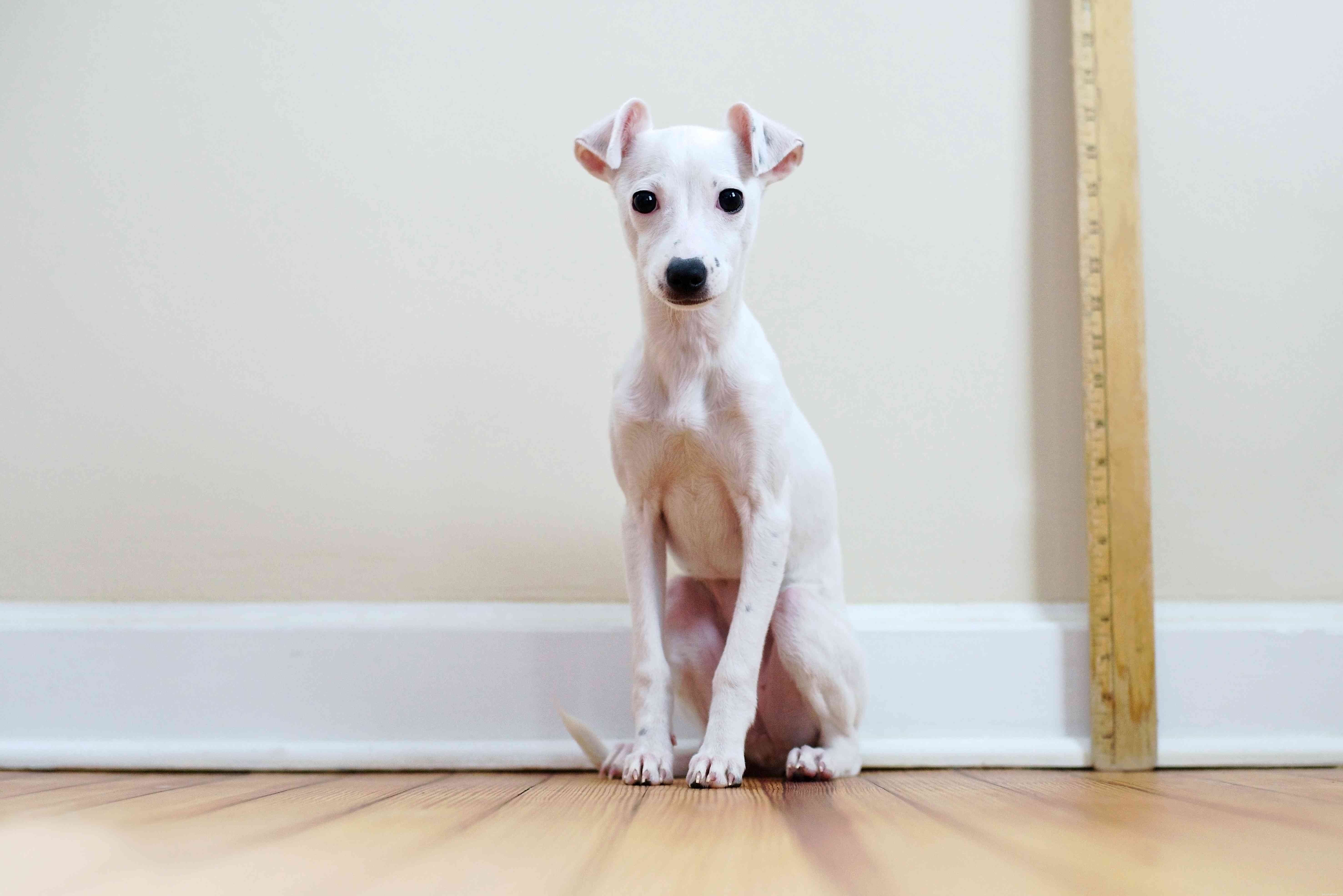
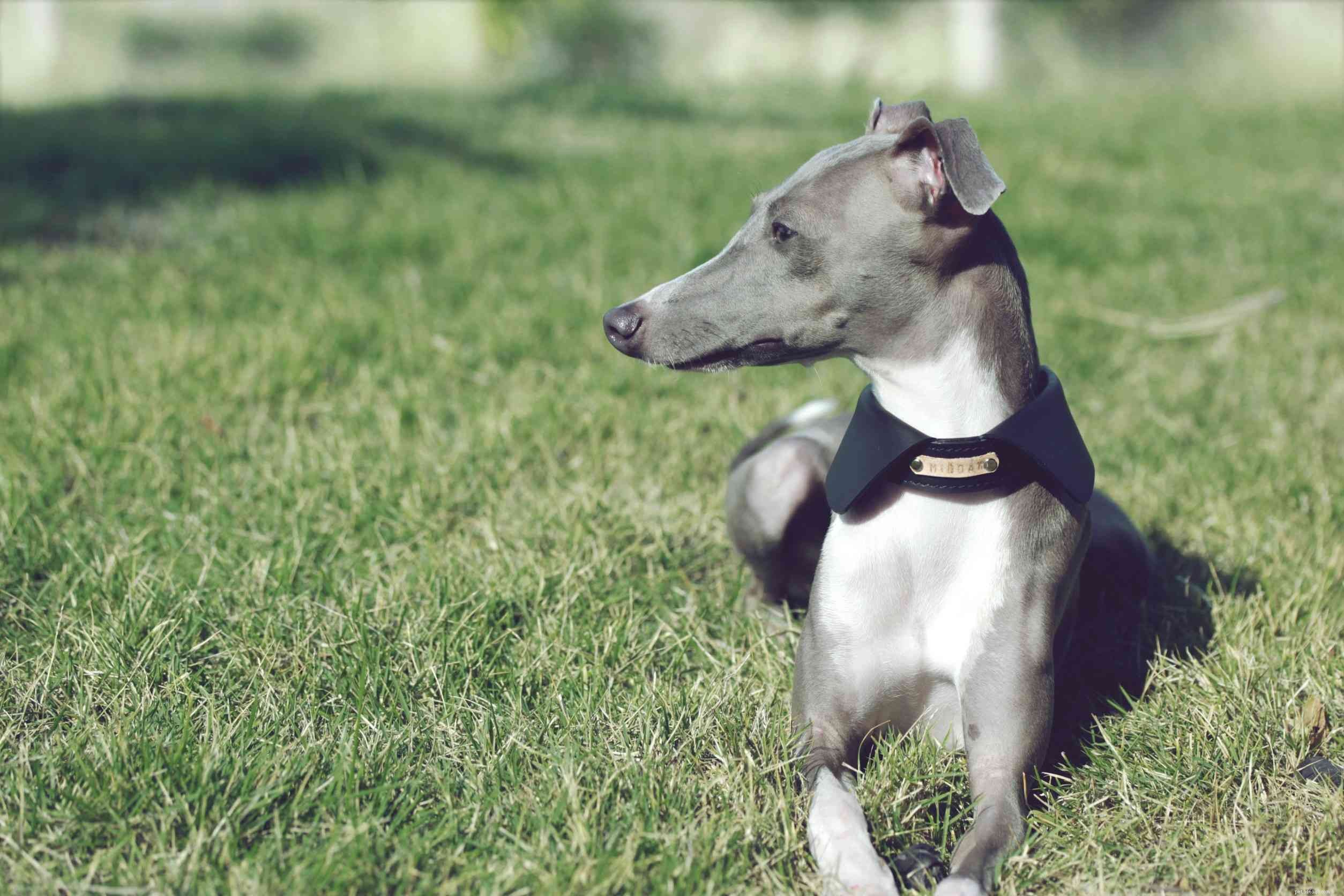
The Italian greyhound is a small toy dog breed with a short coat, long neck, and slender legs. These sleek dogs were bred to be companions. And if there’s a warm lap for them to curl up in, that’s where they’d love to spend their time. Still, these dogs are quick and nimble with a hound’s hunting instinct, and they love to play too.
Breed Overview
Group: Toy
Height: 13 to 15 inches
Weight: 7 to 14 pounds
Coat: Short, smooth
Coat Color: Gray, black, fawn, chocolate, tan, cream, red, sable, or a combination
Life Span: 14 to 15 years
Temperament: Affectionate, playful, companionable
Hypoallergenic: Yes
Origin: Italy
Characteristics of the Italian Greyhound
Italian greyhounds generally have a sensitive and sociable personality. And playfulness also is typically a part of their temperament. They love to be around people and even get along well with other dogs.
History of the Italian Greyhound
The Italian greyhound is an ancient dog breed that originated over 2,000 years ago in the Mediterranean region. Artifacts from the area show images of the breed, and the dogs' miniature skeletons have been discovered in archaeological digs. These dogs were likely kept around for both companionship and small-game hunting.
In Renaissance Italy, the breed became a lapdog of the wealthy. It was beloved by royal families and aristocrats, and many Renaissance-era portraits even depict nobles with their canine companions.
The breed made its way to North America in the 19th century. And the American Kennel Club first recognized it in 1886.
Italian Greyhound Care
Italian greyhounds need some exercise and mental stimulation to get their energy out every day. And they should receive consistent training and socialization. Their grooming typically is not a huge time commitment.
Exercise
Italian greyhounds love napping in a cozy spot, but they also need regular exercise to be healthy and happy. Aim for at least an hour per day of physical activity. Typically a couple short walks plus playtime throughout the day should suffice. You also can offer puzzle toys or enroll in dog sports to provide both mental stimulation and physical activity.
Don’t forget about this small hound’s high prey drive when heading outside. Always keep it in a securely fenced area or on leash to prevent it from running off to chase perceived prey. Furthermore, if you live in a cold climate, keep outdoor time brief in cool temperatures. This breed is sensitive to the cold due to its short coat and low body fat. Many owners have coats and sweaters to provide extra warmth for their dogs.
Grooming
Use a grooming mitt on the Italian greyhound’s short, smooth coat roughly every week to remove loose fur and debris and to distribute skin oils. The coat typically stays relatively clean, but you can bathe your dog roughly every month, depending on how dirty it gets.
Aim to brush your dog’s teeth daily, as this breed is prone to dental issues. Discuss the need for professional teeth cleanings with your vet as well. Look in your dog’s ears at least weekly for wax buildup and irritation. And check its nails roughly once a month to see whether they’re in need of a trim.
Training
Always use positive, rewards-based training methods with this breed. Italian greyhounds can be sensitive and stubborn when it comes to harsh corrections, potentially shutting down and refusing to learn. Immediately offer praise and/or a treat for positive behavior, and be consistent about your commands. Aim to begin training from as young of an age as possible to prevent bad habits from forming.
Moreover, make an effort to socialize your Italian greyhound ideally from an early age. Expose it to different people, other dogs, and various locations. This will help to boost its comfort and make it a more adaptable, well-adjusted dog.


Common Health Problems
Italian greyhounds have a relatively long life span, but they are prone to some hereditary health issues, including:
- Progressive retinal atrophy
- Legg-Calve-Perthes disease
- Hypothyroidism
- Hip dysplasia
- Patellar luxation
- Dental issues
- Autoimmune issues
Diet and Nutrition
Always have fresh water accessible for your dog. And feed a nutritionally balanced canine diet. It’s typical to feed two measured meals per day. But you should always discuss the type of food and the amount with your vet. Monitor treats and other extra food closely to prevent your dog from overeating. Even minor weight gain can be significant for such a small dog and can put unnecessary pressure on its joints.
Where to Adopt or Buy an Italian Greyhound
Italian greyhounds aren’t an incredibly common dog breed, but it’s still worth checking local animal shelters and rescue groups for a dog in need of a home. If you’re looking for a puppy from a reputable breeder, expect to pay around $600 to $1,200, though this can vary widely. For further information to connect you with an Italian greyhound, check out:
- American Kennel Club Marketplace
- Italian Greyhound Rescue Foundation
- Italian Greyhound Club of America
Italian Greyhound Overview
ProsAffectionate and family-oriented
Adaptable to different living situations, including small homes
Simple grooming needs
Prone to dental problems
Doesn't tolerate cold weather well
Can be sensitive and stubborn about training
More Dog Breeds and Further Research
Before bringing home an Italian greyhound, make sure to do sufficient research to determine whether the breed is right for your lifestyle. Talk to breed owners, rescue groups, reputable breeders, and veterinarians. Spend some time around Italian greyhounds too if possible.
If you’re interested in similar breeds, check out:
- Greyhound
- Whippet
- Manchester terrier
There’s a whole world of potential dog breeds out there—with a little research, you can find the right one to bring home!
FAQ-
Are Italian greyhounds good family dogs?
Italian greyhounds that are well trained and socialized can be good family pets for children who understand how to be gentle with them. Rough handling can cause injuries, such as a broken leg.
-
Are Italian greyhounds aggressive?
Italian greyhounds typically do not have an aggressive nature, as long as they have proper training and socialization. They have moderate watchdog tendencies but are usually very open to meeting strangers.
-
Are Italian greyhounds good apartment dogs?
Italian greyhounds can be excellent apartment dogs thanks to their small size and moderate energy level. They also aren't usually excessive barkers.
- Mastiff Dog Breed: Traits, Care, and Family Companion Guide
- Weimaraner Dog Breed: Characteristics, Care, and Training
- Bullmastiff Breed Profile: Characteristics, Care, and Training
- Whippet Dog Breed: Traits, Care, and Training Guide
- The Havanese: Key Traits, Care Tips, and Training Guide
- Shar-Pei Dog Breed: Characteristics, Care, and Training Essentials
- Greyhound Dog: Comprehensive Breed Profile, Care, and Adoption Guide