

How to Recognize, Treat, and Prevent Ear Infections in Dogs
 In This Article
- What Are Ear Infections?
- Symptoms
- Causes
- Diagnosing
- Treatment
- Prognosis
- Prevention
- Are Ear Infections Contagious to Other Animals?
Ear infections are extremely common in dogs, especially those with floppy ears or that like to swim a lot. Ear infections can be painful, itchy, and cause serious issues like permanent hearing loss if ignored, but inappropriate treatment can make things worse. Because of this, knowing how to detect and properly treat ear infections can help you get your dog relief without causing more harm.
What Are Ear Infections?
Ear infections occur when there is an overgrowth of bacteria or yeast in the external or outer ear canal. This canal is the pathway from the inner and middle ear to the pinna or ear flap and should only contain ear wax. When bacteria or yeast is encouraged and allowed to grow in the ear canal, an ear infection or otitis externa results. If the infection occurs in the middle ear, it is called otitis media, and if the inner ear is infected, it is called otitis interna.
Symptoms of Ear Infections in Dogs
Symptoms of Ear Infections
- Shaking head
- Odor from ears
- Scratching ears
- Head tilt
- Holding ear down
- Blood on the ear
- Ear hematoma
- Rubbing head on the ground
- Ear discharge
- Abnormal eye movement
- Loss of balance
- Inflamed ear
- Hair loss on the ear
- Hearing loss
- Reluctance to have ears touched
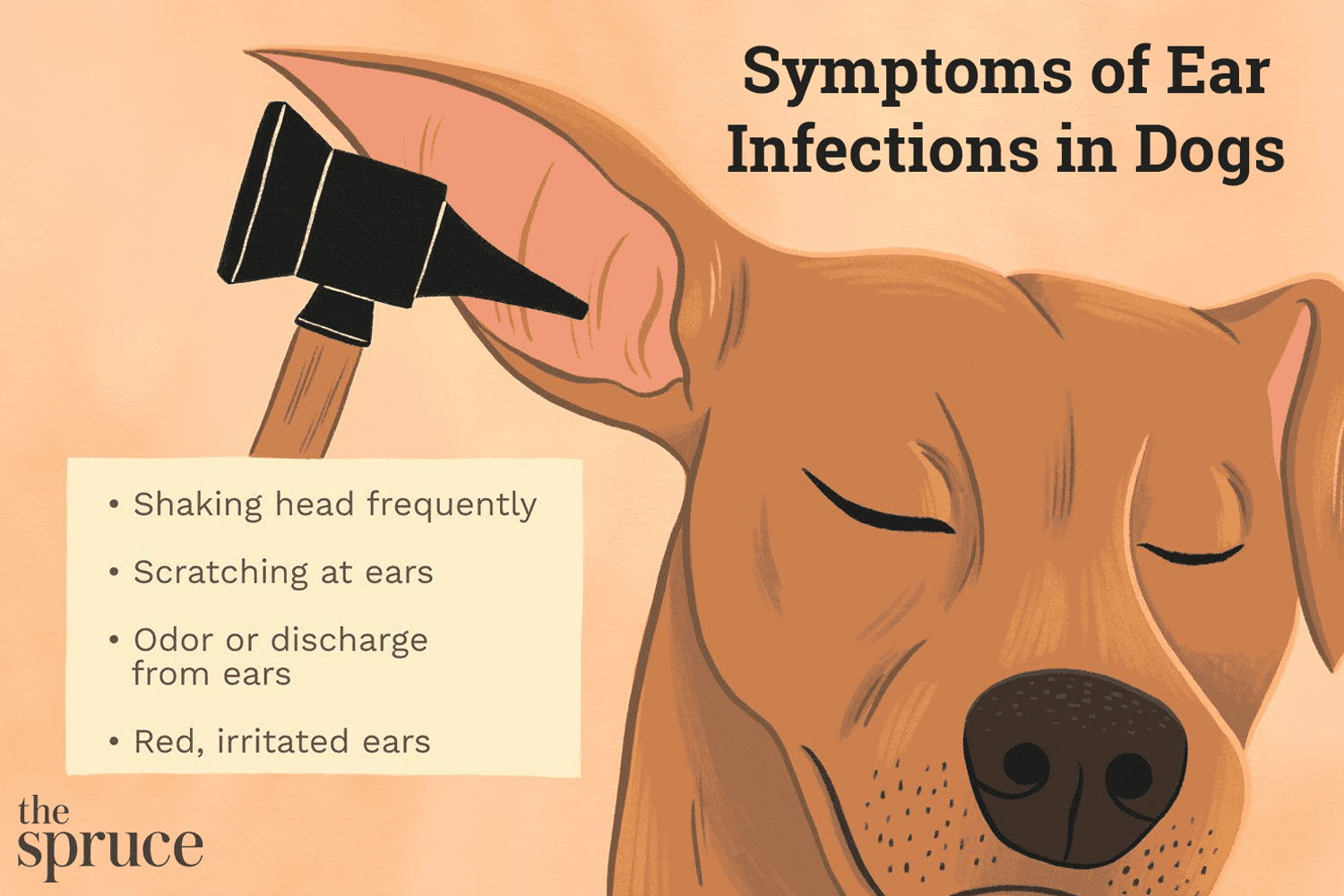
There are a number of symptoms that may tell you your dog has an ear infection and many are obvious. Head shaking, scratching, and rubbing are classic, tell-tale signs of otitis externa, but you may also see your dog tilting its head, holding one ear down, and being reluctant to have its head or ears pet. Sometimes the ear infection is so bad that you may smell it and see ear discharge. Occasionally hair loss or blood will be seen on the ear from constant scracting and rubbing. Ear hematomas may form on the pinna from the trauma. If the middle or inner ear is affected, hearing loss, abnormal eye movements, and a loss of balance can result.
Causes of Ear Infections
Ear infections are caused by yeast or bacteria, but an environment that allows these tiny organisms to flourish in the ear is just as problematic. Excessive heat and moisture allows yeast and bacteria to reproduce, so anything that contributes to an increase in heat and moisture in the ear canal can cause an ear infection. These things include:
- Ear mites
- Allergies
- Water getting into the ear
- Excessive hair in and around the ear opening
- Growths in the ear or covering the ear opening
Diagnosing Ear Infections in Dogs
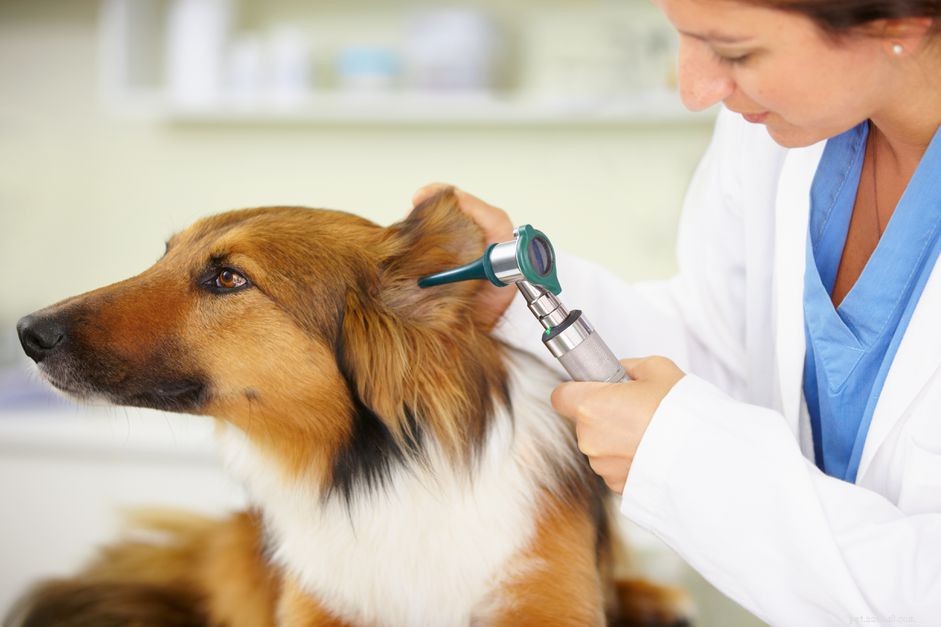
If you suspect your dog has an ear infection, your veterinarian will use a special tool called an otoscope to look inside the ear and then swab the ear canal to obtain a sample of the ear debris. The otoscope will help them visualize the ear canal and look for any abnormalities like growths or a ruptured eardrum. The debris collected on the swab will then be used to perform a cytology, a test that uses special stains and a microscope to determine if yeast or bacteria are present. If the type of bacteria that are present needs to be known, another test called an ear culture with sensitivity will be performed. Different types of bacteria and yeast require different types of treatment so ear cultures help determine what type of bacteria is present and which medication your veterinarian needs to prescribe.
Treatment
Ear infections are usually treated with topical medications in the form of ear drops or ointment. However, if the affected ears are very painful, oral medications for pain and inflammation may also be prescribed to help your dog feel more comfortable. Prior to putting any topical medications in the ear, you'll need to clean it out. A special ear cleaner with medication in it may be prescribed by your veterinarian, or they may recommend an over the counter dog ear cleaning solution. Once the ear is properly cleaned, the topical medication can be applied to the ear and gently massaged into the ear canal. This may need to be done more than once a day for a week or more depending on the type of infection and the medication used. If the ear is extremely dirty or your dog is in severe pain, a sedated ear flush may be necessary in order to properly clean out the ear before topical medications are applied.
While uncommon, if a dog has developed severe chronic inflammation and medications are no longer effective, a surgery to remove the the ear canal may be needed. This procedure is called a total ear canal ablation (TECA) and is not performed by every veterinarian. TECA surgery may also be recommended if there are tumors or polyps present in the ear canal.
2:11Watch Now: How to Clean Your Dog's Ears
Prognosis for Dogs With Ear Infections
Ear infections are extremely common, but thankfully most of them are easily treated with topical medications. Within a few days, your dog will usually start to feel better and after 1-2 weeks, the infection is typically resolved. But some ear infections are more difficult to treat and resistant to certain medications. Additionally, if an ear infection is left untreated for a long enough period of time, it can cause severe inflammation, permanent damage to the eardrum, and impact your dog's hearing. This, along with the fact that ear infections can be very painful, is why it's important to get your dog prompt treatment for an ear infection.
How to Prevent Ear Infections
There are some easy ways you can help prevent your dog from getting an ear infection. Using a dog ear cleaner that contains a drying agent after your dog gets a bath or goes swimming is one of the best preventative measure you can take. Additionally, if your dog has a lot of hair in and around its ear opening, clipping or plucking this excess hair can cut down on the heat and moisture in the ear that contributes to an ear infection.
If your dog has had ear infections in the past due to allergies, a little more effort will be needed to prevent ear infections from recurring. Talk to your veterinarian about the best ways to manage your dog’s allergies. This may include diet, medication, or grooming practices. If a growth has formed in or around the ear opening, getting this growth removed may help prevent heat and moisture from being trapped in the ear.
Types of Ear Infections in Dogs
While ear infections can involve yeast or bacteria, the presence of yeast or bacteria does not always result in inflammation and disease. The following types of bacteria and yeast are those that are most commonly found to cause ear infections in dogs.
- Pseudomonas aeruginosa
- Staphylococcus pseudintermedius
- Klebsiella spp.
- Escherichia coli
- Malassezia pachydermatis
In addition to a simple yeast or bacterial ear infection, some dogs will get combination infections that consist of both bacteria and yeast.
Are Ear Infections Contagious to Other Animals?
Ear infections are not usually contagious to other animals but there are exceptions. If the ear infection is a result of an ear mite infestation, another pet can easily contract these parasites and develop an ear infection. Additionally, if the type of bacteria in the ear infection is methicillin-resistant Staphylococcus pseudintermedius (MRSP), it is possible to spread this to other animals.
Are They Contagious to Humans?
Ear infections are not usually contagious to humans, but if the infection is due to methicillin-resistant Staphylococcus pseudintermedius (MRSP) then there is a chance that it could be spread to humans. Thankfully this is very rare, especially in healthy people.
- Understanding the Long-Term Impact of Chronic Ear Infections in Dogs
- Ear Hematoma in Dogs: Causes, Symptoms & Treatment Guide
- Understanding Dog Fevers: Causes, Symptoms, and When to Seek Veterinary Care
- Ear Yeast Infections in Dogs: Causes, Symptoms, and Proven Prevention Tips
- Identifying Ear Infections in Dogs: Symptoms and Quick Relief
- Understanding and Managing Ear Mites in Dogs: Symptoms, Treatment & Prevention
- Understanding and Treating Ear Infections in Dogs and Cats