

Boston Terrier: Breed Traits, Care, and Training Guide
:max_bytes(150000):strip_icc()/boston-terrier-dog-breed-profile-4689861-hero-17828860a8304ba68182bf504766c2c2.jpeg) In This Article
In This Article
- Characteristics
- Breed History
- Training and Care
- Health Problems
- Diet and Nutrition
- Where to Adopt or Buy
- Breed Overview
- Further Research
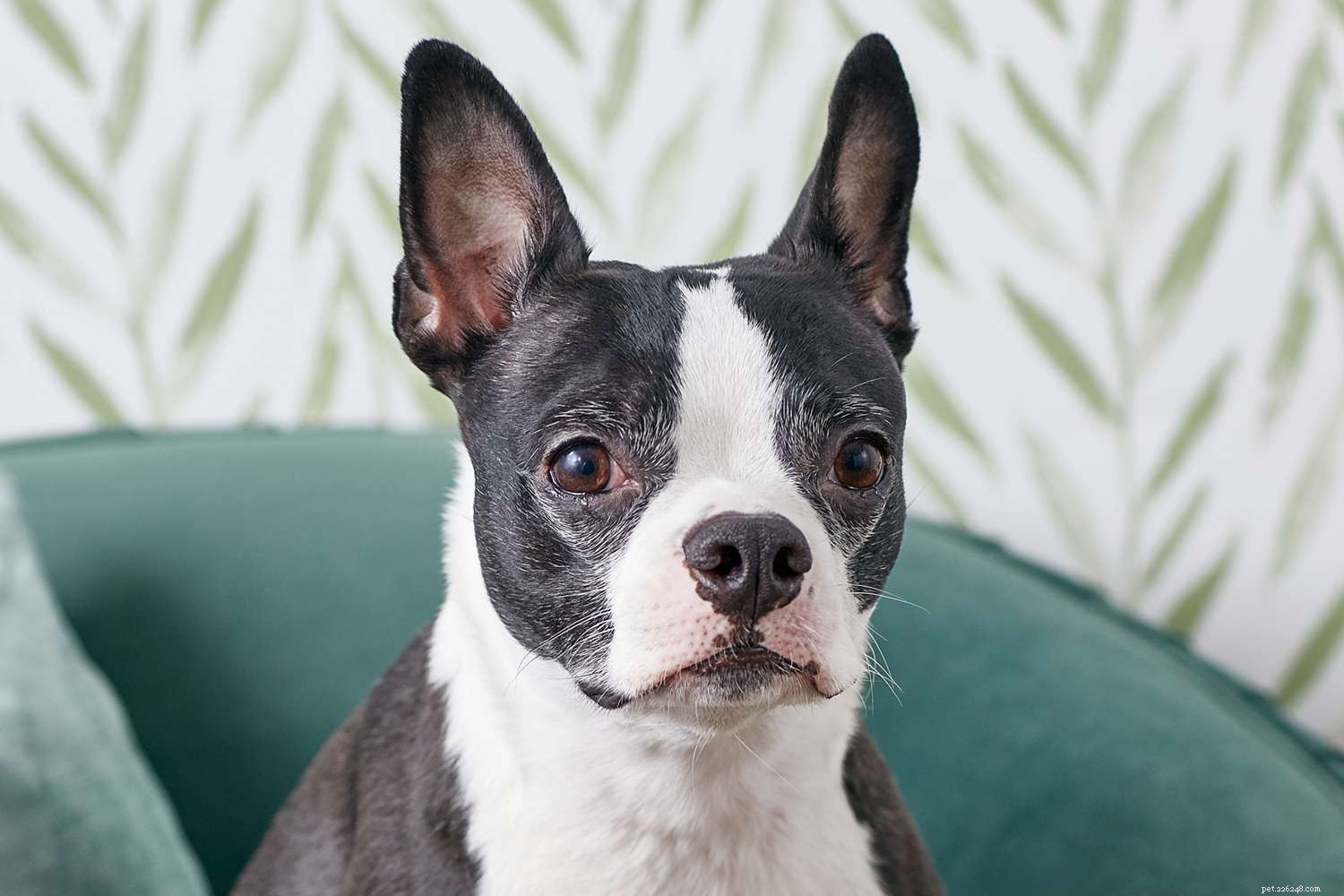
The Boston terrier is a small non-sporting dog breed from the United States with a short, smooth coat that typically has a color on the back with a white chest in what’s referred to as a “tuxedo” look. The dog's square head is also a defining trait with its short muzzle and large, round eyes. Boston terriers typically like to be around their humans and are eager to please. They can be a great choice for a first-time dog owner who’s looking for a small dog.
Breed Overview
GROUP: Non-Sporting
HEIGHT: 15 to 17 inches
WEIGHT: 12 to 25 pounds
COAT: Short, smooth
COAT COLOR: Black and white; black, brindle, and white; brindle and white; seal and white; seal, brindle, and white
LIFE SPAN: 11 to 13 years
TEMPERAMENT: Affectionate, friendly, playful
HYPOALLERGENIC: No
ORIGIN: United States
Characteristics of the Boston Terrier
Boston terriers typically have a happy, friendly, and affectionate temperament. Their love of play and comical nature also help to mold their personality. They’re typically good around people, including kids and strangers, and they often get along well with other pets.
History of the Boston Terrier
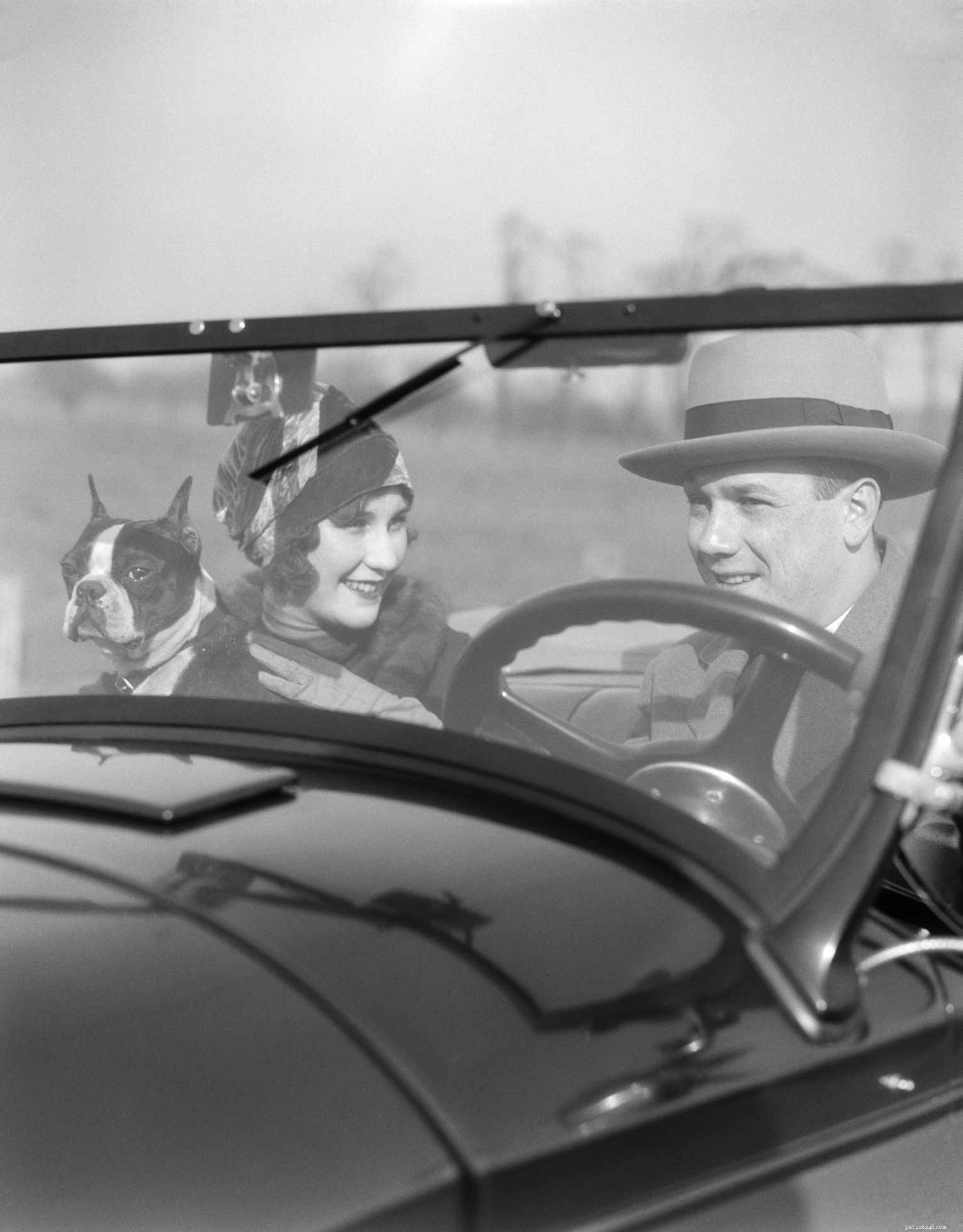
The Boston terrier’s story began in the 1860s when a Boston man named William O’Brien purchased a bulldog-white English terrier mix from England named Judge. O’Brien ended up selling Judge to another Bostonian named Robert C. Hooper. Records refer to “Hooper’s Judge” as the father of the Boston terrier breed from which all Bostons descend.
Judge was a muscular but fairly small dog, weighing in at around 30 pounds. His head was square, and his coat was dark brindle with a white stripe down his face. Judge was bred to a small, white, bulldog-type female. And that launched the selective breeding process. Breeders specifically were looking to create a small, friendly companion dog.
In 1891, the Boston Terrier Club of America was founded. And soon after in 1893, the American Kennel Club first recognized the breed. Since then, the Boston terrier has become quite popular throughout the United States. It’s Boston University’s official mascot, as well as the official dog for the state of Massachusetts.
Boston Terrier Care
Boston terriers require a moderate amount of exercise each day, and their grooming needs are simple. Plus, they should receive consistent training and socialization ideally starting at a young age.
Exercise
Boston terriers are relatively energetic and should receive about an hour of exercise per day. A couple of daily walks, games of fetch, playing with puzzle toys, and running around in a secure area should suffice. Dog sports, such as agility and rally, can help to burn their mental and physical energy. The key is that Bostons prefer to be active with their humans. If you leave them to their own devices, they might become bored and develop problem behaviors, such as unwanted chewing.
Moreover, due to the Boston’s flat face, the breed is prone to breathing issues. Discuss this with your vet, and know how to spot the signs of labored breathing during exercise.
Grooming
Boston terriers generally need little more than basic grooming, as their short coat doesn’t shed much. Brush them weekly with a soft-bristle brush or grooming mitt to remove loose fur and distribute skin oils. Plan on a bath roughly every month, depending on how dirty your dog gets.
In addition, check your dog’s nails every month or so to see whether they’re due for a trim. Look in its ears at least weekly for wax buildup, debris, and other abnormalities. And brush its teeth every day.
Training
Begin training and socializing your Boston terrier from as young of an age as possible. Enrolling in a puppy obedience class is an ideal way for your dog to learn basic commands and manners. And exposing it to different people, other dogs, and various locations will help to boost its comfort and confidence.
Always use positive reinforcement methods, such as praise and treats, as this breed can be especially sensitive to harsh corrections. And be consistent in your commands. Boston terriers generally want to please their humans and will take to training well.
Because they typically love the company of people, Boston terriers can be prone to separation anxiety when left alone. Professional dog trainers and behaviorists can give you tips to help combat this. But a household where someone is home for most of the day is the best option for this breed.
:max_bytes(150000):strip_icc()/boston-terrier-dog-breed-profile-4689861-01-5c6f2663bfa94e2a9a3c991de121c8a9.jpeg)
Common Health Problems
Boston terriers are prone to some hereditary health issues, including:
- Eye problems, including cataracts, corneal ulcers, and glaucoma
- Deafness
- Patellar luxation
- Brachycephalic syndrome
Diet and Nutrition
Make sure your dog always has access to fresh water. And feed it a high-quality canine diet that’s nutritionally balanced. Most owners feed two measured meals per day to ensure their dog is getting the proper amount. You should always discuss both the amount and type of food with your vet to verify that you’re meeting the dog’s individual needs.
Also, be mindful about treats and other extra food. Many Boston terriers have a strong love of food and will beg for handouts. But too many extras might result in your dog becoming overweight, as even a small weight increase can be a lot for this little dog.
Where to Adopt or Buy a Boston Terrier
Boston terriers are a popular dog breed, especially in North America. So be sure to check local animal shelters and breed-specific rescue groups for a dog in need of a home. If you’re looking for a puppy from a reputable breeder, expect to pay around $600 to $2,000, though this can vary widely.
For further information to connect you with a Boston terrier, check out:
- Boston Terrier Club of America
- American Boston Terrier Rescue
Boston Terrier Overview
ProsFriendly and affectionate
Minimal grooming needs
Can be good with kids and other pets
Flat face can cause breathing issues (brachycephalic syndrome)
Prone to eye problems
Can develop separation anxiety
More Dog Breeds and Further Research
As with any dog breed, if you’re interested in a Boston terrier, do plenty of research before bringing one home to ensure that the dog is suitable for your lifestyle. Talk to breed owners, rescue groups, veterinarians, and reputable breeders to learn more.
If you’re interested in similar breeds, check out:
- French bulldog
- Boxer
- Bull terrier
There’s a whole world of potential dog breeds out there—with a little research, you can find the right one to bring home!
FAQ-
Are Boston terriers good family dogs?
Boston terriers can be excellent family dogs when they are properly trained and socialized. They tend to be tolerant of children but should always be supervised around young children.
-
Are Boston terriers aggressive?
Boston terriers generally are not aggressive when they've had training and socialization from an early age. Still, they have a moderate watchdog nature and can become territorial if they perceive a threat.
-
Are Boston terriers good apartment dogs?
Boston terriers typically can make good apartment dogs, as long as they receive sufficient exercise and mental stimulation. They usually don't bark excessively, and they don't require a lot of space for play.
- Border Terrier Profile: Traits, Care, and Training Essentials
- West Highland White Terrier (Westie): In-Depth Guide to Traits, Training & Care
- Silky Terrier: Breed Traits, Care, and Training Guide
- Norwich Terrier: Key Traits, Care, and Adoption Tips
- Bull Terrier: Breed Traits, Care, and Training Guide
- Irish Terrier: Characteristics, Care, and Adoption Guide
- Fox Terrier: Characteristics, Care & Training Guide