

Relieve Your Dog’s Itchy Allergies: Home Remedies & Vet Tips

Itching, scratching, and chewing are all signs of skin problems in dogs. Allergies cause the most common skin problem in dogs. Fortunately, there are several ways to manage itching and allergies in dogs. Sometimes you can do certain things at home to prevent or ease mild itching before a secondary infection occurs. In other cases, you will need to consult with your veterinarian. Failure to manage your dog's allergies can lead to other issues, such as hair loss and skin infections. Here are the best ways to manage allergies in dogs.
-
01
of 06
Work With Your Veterinarian
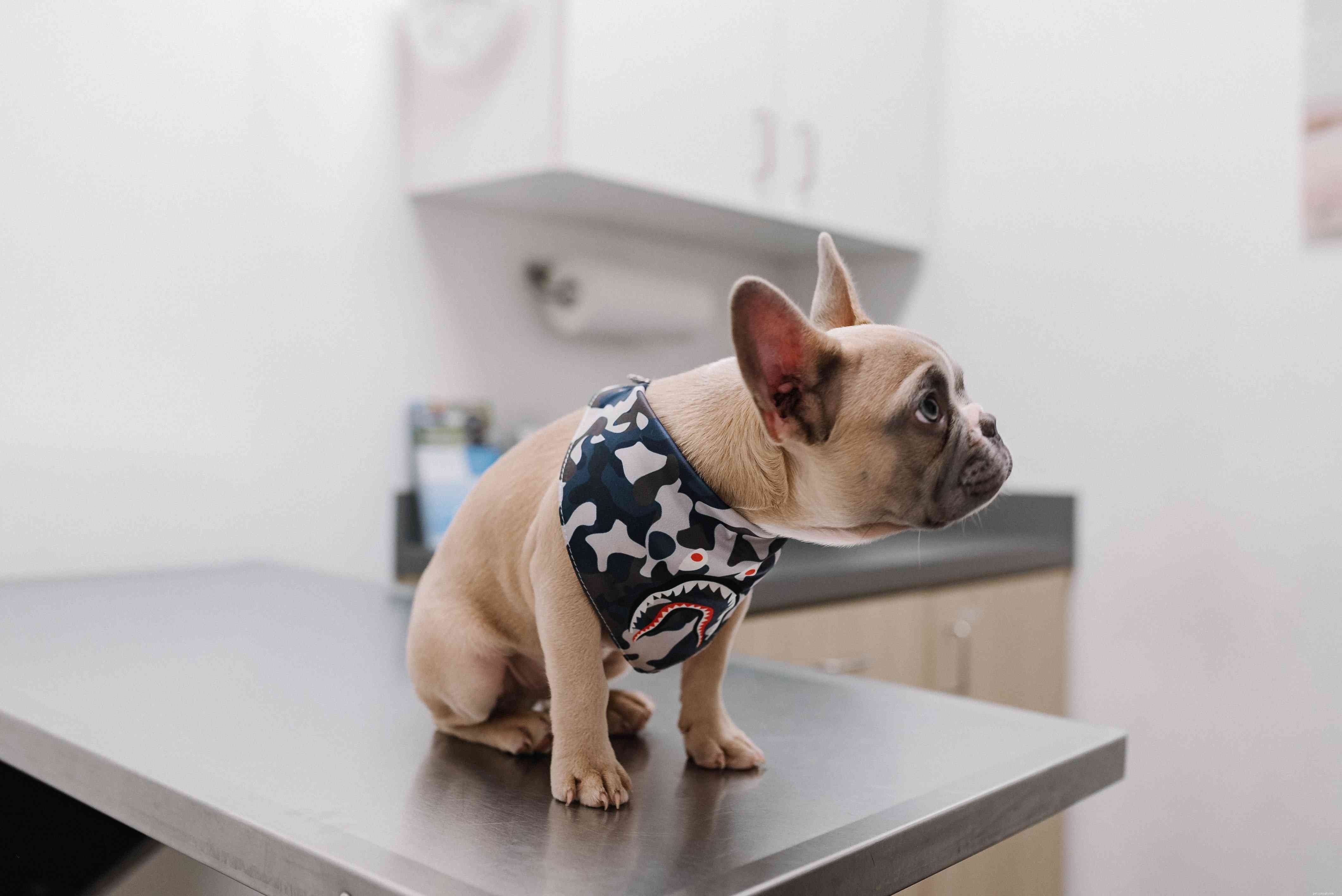
Contact your vet at the first sign of itching. Visit your veterinarian right away if your dog's itching persists, if hair loss occurs, or if the skin appears irritated, red, scaly, or otherwise abnormal. In some cases, the vet can recommend an over-the-counter antihistamine before an exam is needed.
If your vet feels that an allergy is the cause of your dog's skin problem, you will likely be given a few options. In cases of mild to moderate skin issues, you may give your dog with anti-itch medications to ease symptoms (and possibly other medicines to treat secondary infections). If the vet sees evidence of fleas, the treatment may be as simple as using flea prevention.
Be sure to comply with your vet's recommendations. Finish all courses of medications, follow instructions for all treatments, and return for follow-up visits as recommended.
-
02
of 06
Prevent Fleas
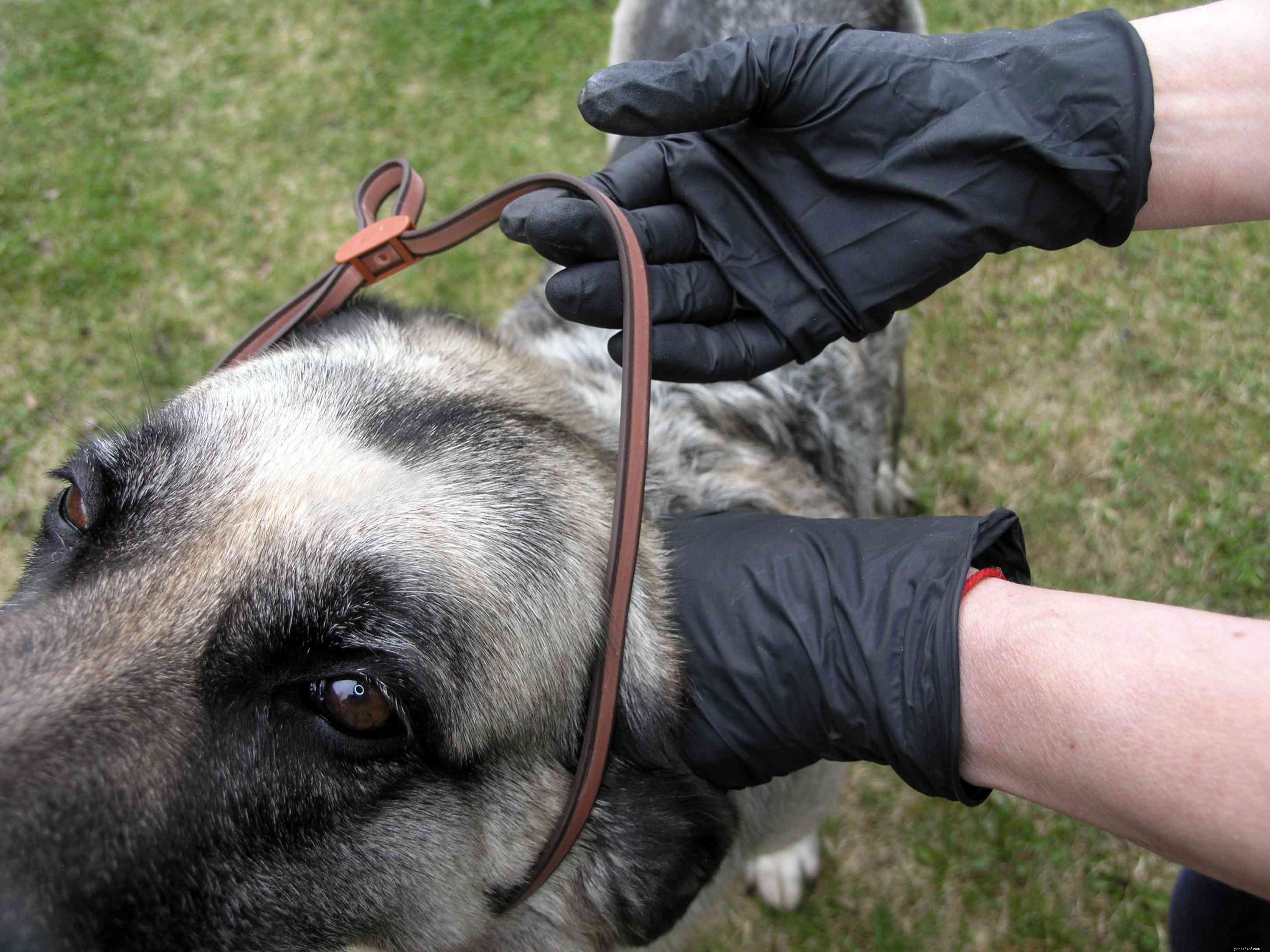
Flea prevention is crucial, especially for dogs with allergies. If your dog has flea allergies, it can react to just a few flea bites. As the flea population grows, the reaction gets more severe. To make matters worse, dogs allergic to fleas will often chew the fleas off of them, so you may never even see fleas. Flea bites can also exacerbate other allergies that affect your dog's skin.
Whether a dog has allergies or not, all dogs should be given effective flea prevention all year long. The most effective products come in a pill, topical "spot-on' application, or a flea collar.
-
03
of 06
Bathe Your Dog Regularly
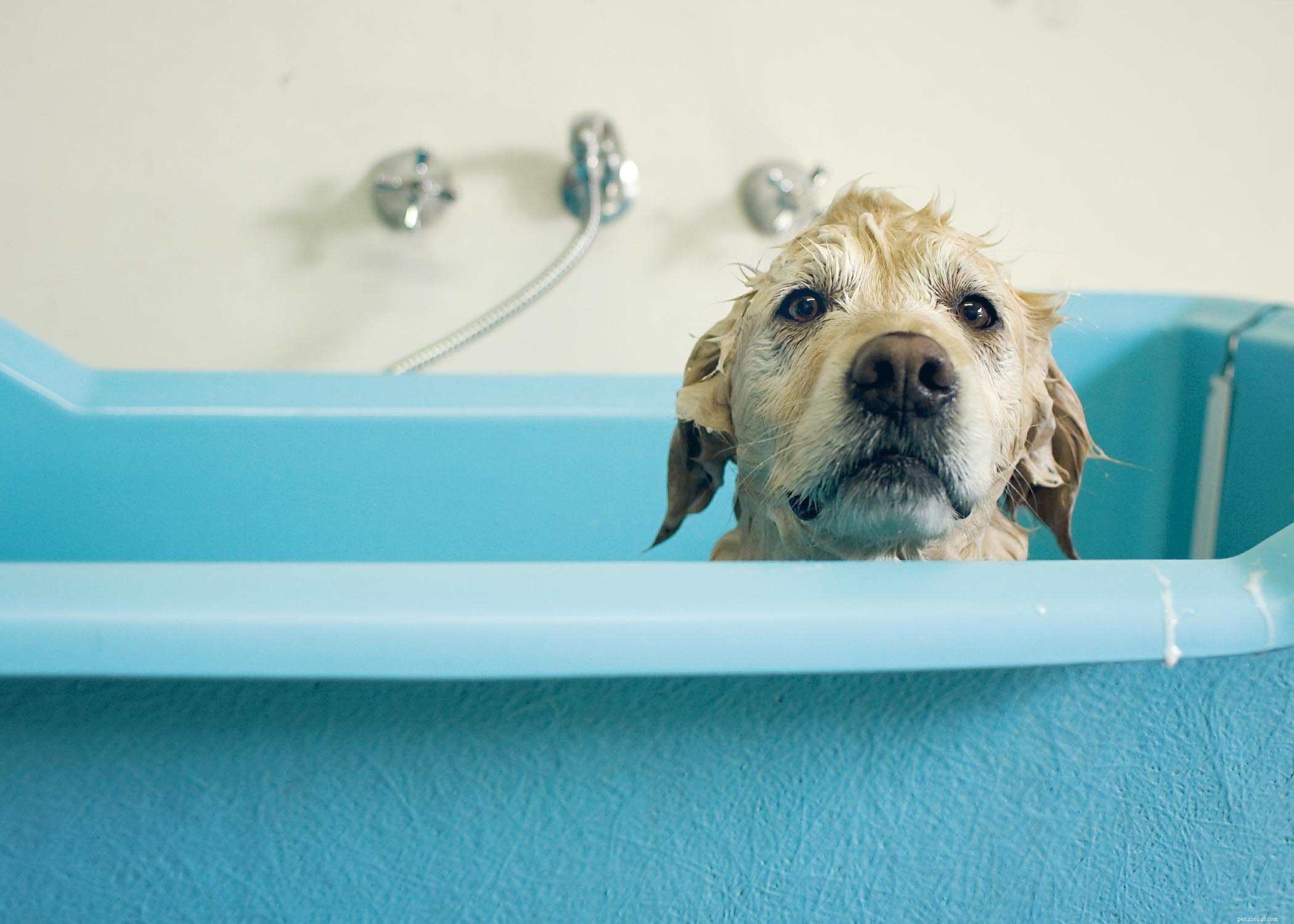
Bathe your dog one to two times a week with a gentle, soap-free shampoo made especially for dogs. Itchy dogs may benefit from shampoo ingredients such as oatmeal and aloe.
Your vet may prescribe a medicated shampoo for more serious skin issues. When bathing, don't forget to check and clean the ears, as secondary infections often occur.
If you suspect outdoor allergies (grasses, etc.), wipe off your dog when it comes inside so that fewer microscopic allergens will remain on its coat and skin.
-
04
of 06
Choose the Right Dog Food

Feed your dog a high-quality diet made from healthy ingredients. As with humans, ingredient quality can affect overall health for dogs.
If a food allergy is suspected, your vet may recommend a diet change. This recommendation usually involves changing to a special limited ingredient diet containing a novel protein (fish, duck, venison, etc.); chicken and beef are common food allergens for dogs. Other dogs may do best on grain-free or natural diets.
Continue to 5 of 6 below. -
05
of 06
Pick the Right Dog Bed

Consider purchasing foam dog beds, as they are less likely to harbor common allergens, such as dust mites. Replace dog beds yearly, regardless of material. In case of environmental allergies, wash dog bed covers weekly with a detergent free of fragrance and dye. Place a hypoallergenic liner on pet beds.
-
06
of 06
Is It Time for Allergy Testing?
If your dog's skin issues seem severe or are not responding to treatment, your vet may want to find out what's causing the allergy using allergy testing. Your vet will likely refer you to a board-certified veterinary dermatologist if your dog's symptoms are severe. Dermatologists recommend and perform skin testing for allergies with a specialized way to isolate true allergens.
After testing comes treatment with immunotherapy, also called desensitization or allergy shots. Immunotherapy is considered safe and effective. Using this therapy, a customized serum is created to expose the dog to its allergens over a long time period, slowly increasing the amount of exposure. These injections can be easily given at home by most owners (it's similar to administering insulin to diabetic dogs). The injections are sometimes followed up with oral treatments.
Immunotherapy is not a cure for allergies, but it can significantly reduce your dog's sensitivity to allergens. It is important to understand that your dog's allergies will require lifelong management. Not all dogs will respond in the same way, but most will ultimately improve. Typically, improvement is seen in the first six months, though it can take up to a year for some dogs.
Though this type of allergy testing and treatment may seem cost prohibitive at first, it may end up costing less in the long run compared to years of treatment for secondary infections (not to mention the turmoil your dog goes through). Discuss allergy testing with your vet and whether or not it is right for your dog.
There are two types of allergy testing commonly used for dogs:
Serum Allergy Testing
Serum testing involves taking a blood sample from your dog and sending it to a lab for analysis. The lab analyzes the serum against an array of common allergens and measures the type and severity of the allergic reactions. This test is minimally invasive to your dog and typically costs a few hundred dollars.
The accuracy of serum allergy testing is questionable; veterinary dermatologists usually do not recommend this type of test. Intradermal or skin testing is the preferred method for accurate results.
Intradermal Allergy Testing
A veterinary dermatologist typically does intradermal allergy testing. It generally costs more than serum testing but is considered the most precise testing method for allergies. A dog's common allergies can include dust mites, fleas, grasses, cockroaches, and even human dander.
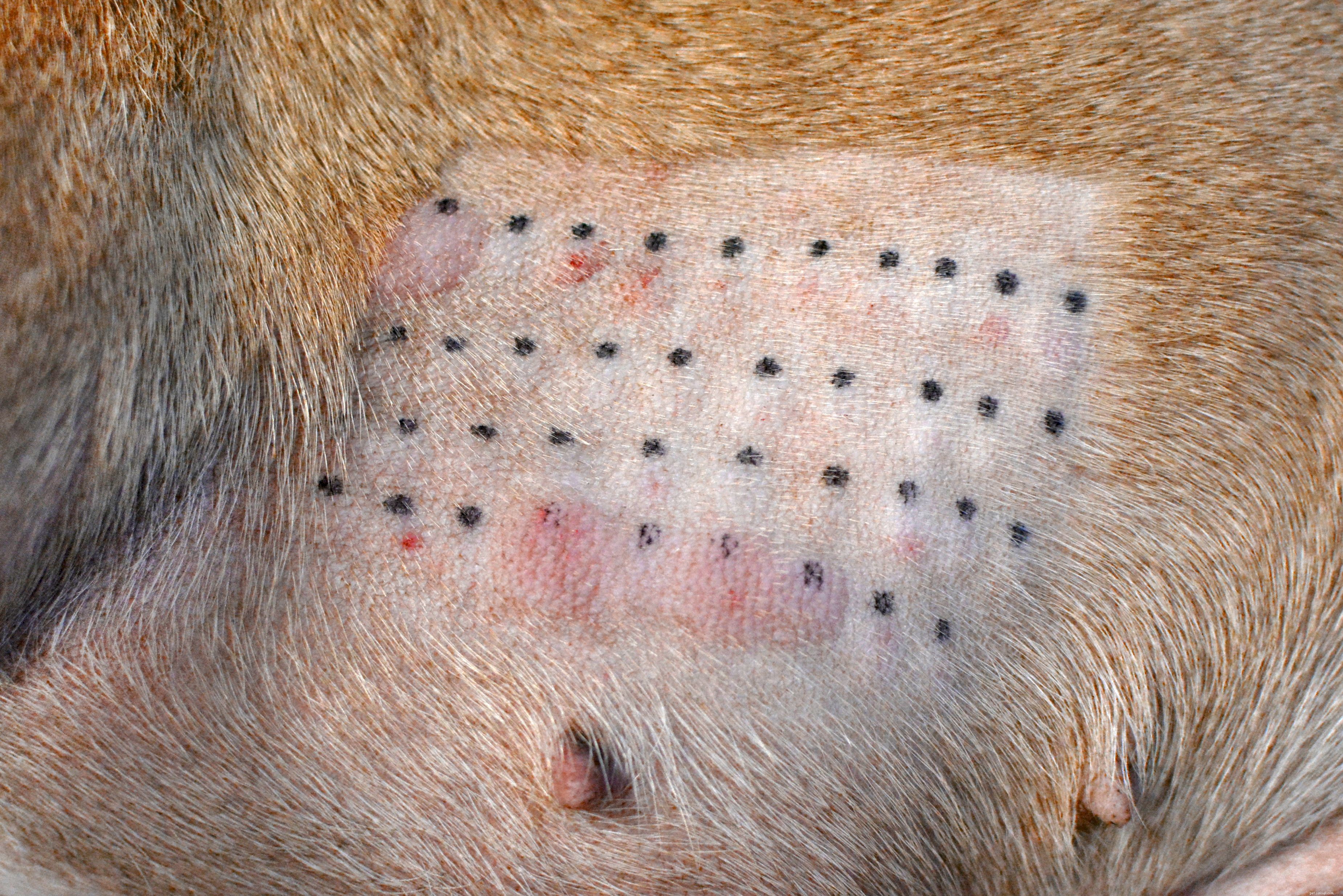
The vet will give the dog a relaxing sedative to prevent discomfort. The dog lies on one side while hair is shaved on the chest-abdomen area. A series of injections are placed just under the skin with a tiny needle. Each injection contains an allergen. Most dermatologists test approximately 60 to 70 allergens. If the dog reacts to an allergen, the injection site will turn red and swell (like a hive) within minutes. The intensity of the reaction can determine its severity. Many allergic dogs will have reactions to multiple allergens.
Ongoing Care
One of the most important things to remember is this: There is no "magic bullet" for the allergic dog. Managing allergies in your dog is an ongoing process that will most likely last your dog's entire life. Secondary skin, eye, and ear infections may arise and need treatment despite your best efforts. Work with your veterinarian closely. Address issues as they come. Don't soften your commitment to giving ongoing quality care to your dog: Your dog will benefit from your dedication.
If you suspect your pet is sick, call your vet immediately. For health-related questions, always consult your veterinarian, as they have examined your pet, know the pet's health history, and can make the best recommendations for your pet.- 5 Proven Benefits of Probiotics for Your Dog's Health
- 6 Proven Strategies to Help Your Dog Build Strong Friendships with Other Dogs
- 10 Proven Ways to Exercise with Your Dog for Better Health
- Veterinary Dermatologist Solves Your Pet’s Itchy Skin & Allergy Issues
- Effective Ways to Ease Itchy Skin in Dogs with Atopy and Allergies
- Top 5 Proven Strategies to Relieve Your Dog’s Itchy Skin
- How to Help Your Dog Manage Allergies: Expert Tips & Prevention Strategies