

Jaundice in Cats: Causes, Symptoms, and Urgent Veterinary Care
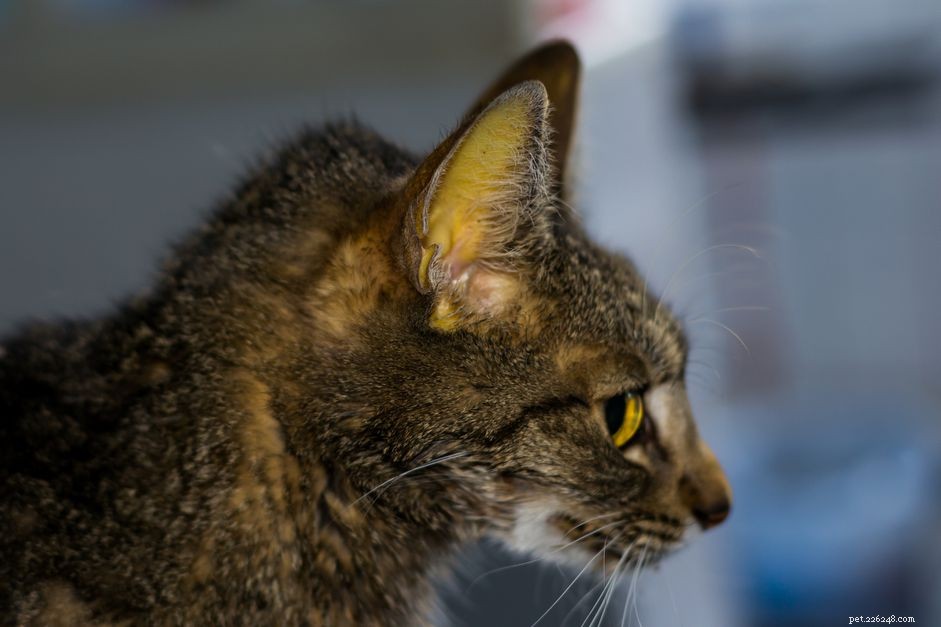
Jaundice is also known as icterus and is a symptom of a serious disease in a cat. There are several reasons why a cat may develop jaundice but some are more commonly seen than others. If left untreated, the underlying causes of this symptom can be fatal so it should not be ignored.
Yellowing of the skin, eyes, and mucous membranes are the key indications of jaundice. These signs can be difficult for some cat owners to notice if their cat has a lot of fur, but the inside of the ears, the whites of the eyes, and the gums are the easiest places to see the yellowing. Knowing more about jaundice in your cat, including how it is caused, treated, and prevented, can help you keep your cat happy and healthy.
Causes of Jaundice in Cats
The causes of jaundice are classified as being pre-hepatic, hepatic, or post-hepatic but all are a result of hyperbilirubinemia. Hyperbilirubinemia is an abnormally high blood level of bilirubin, a component of red blood cells, and is caused by liver disease, gallbladder disease, or red blood cell destruction. Bilirubin is a brown to yellow substance that comes from bile. It is normally excreted in the feces of a cat when the normal process of old red blood cells dying occurs, but if the liver isn't able to get rid of the bilirubin properly, then jaundice can occur. Main reasons why the liver may be unable to clear the bilirubin properly, and therefore jaundice may be seen, include the following:
Liver Disease in Cats
Liver diseases are classified as hepatic causes of jaundice and there are a number of liver diseases that can occur in cats. Hepatic lipidosis (fatty liver disease) is one of the most common, but cholangitis, feline infectious peritonitis (FIP), amyloidosis, calicivirus, and various liver infections also cause liver dysfunction. Additionally, some medications, toxin exposure, cancer, and other issues can result in liver damage.
Gall Bladder Disease in Cats
Gallbladder diseases are classified as post-hepatic causes of jaundice. They include biliary duct blockages, gallstones, inflammation of the gallbladder, cancer, and gallbladder rupture.
Red Blood Cell Destruction
There are a number of reasons why red blood cells could be abnormally destroyed, including ingestion of toxic plants or medications, parasites (including heartworms and ticks), blood transfusion reactions, feline immunodeficiency virus (FIV), feline leukemia virus (FeLV), autoimmune diseases, and even cancer. If red blood cells are destroyed too rapidly and the liver is unable to properly eliminate the bilirubin that is released from the hemolyzed cells, jaundice could occur. These causes of jaundice are typically classified as pre-hepatic.
Other
In addition to the liver, gallbladder, and red blood cell destruction causes of jaundice, pancreatitis, intestinal masses, sepsis, and some other health concerns may also result in yellowing of your cat's skin
Diagnosing Jaundice in Cats
Your veterinarian will obtain a full patient history and perform a full physical examination before checking some bloodwork to aid in their diagnosis. Various things, including bilirubin levels, liver enzyme levels, and details about your cat's blood cells, will be assessed in a complete blood count and biochemistry screening. X-rays, ultrasounds, and fine needle aspirates or biopsies of the liver may also be recommended depending on what the bloodwork shows.
Treatment
The treatment of your cat's jaundice will depend on its cause but your cat may need to be hospitalized. Supportive care and treatment may include IV fluids, antibiotics, vitamin K, anti-emetics, pain medications, supplements like silybin and SAMe, and even assisted feeding. On occasion, surgery may be indicated if a mass or ruptured gall bladder is suspected.
How to Prevent Jaundice
Sometimes the causes of jaundice are impossible to prevent, but there are some things you can do to decrease the likelihood of it occurring in your cat. Keep all medications, household chemicals, and toxic houseplants out of your cat's reach; have your cat's blood work screened regularly; do not allow them to become obese; make sure they do not go for more than a day without eating; do not expose them to cats with FIV, FeLV, or FIP, keep their vaccinations up to date; and use parasite prevention. If you are concerned about liver and gallbladder disease in your cat, ask your vet about supplements and special diets to help support these organs.
At-Risk Breeds for Jaundice
Some breeds of cats are pre-disposed to developing a disease that can cause jaundice. These cat breeds include:
- Siamese
- Abyssinians
- Oriental shorthair cats
- Somali cats
- Understanding Cat Jaundice: Causes, Symptoms, and Treatment Options
- Cat Jaundice Explained: Symptoms, Causes, and How to Help
- Understanding Cat Arthritis: Symptoms, Causes, and Care
- Roundworms in Cats: Symptoms, Causes, Treatment & Prevention
- Fatty Liver Disease in Cats: Symptoms, Causes & Prevention
- Understanding and Managing Liver Disease in Cats: Early Detection & Treatment
- Understanding and Preventing Hepatic Lipidosis in Cats