

Understanding Ringworm in Dogs: Symptoms, Causes, and Effective Treatment
 In This Article
- What Is Ringworm?
- Symptoms
- Causes
- Diagnosis
- Treatment
- Environment
- Prevention
Ringworm is a skin infection caused by fungus in the environment. This contagious skin disease can affect dogs, humans, and other animals, leading to scaly, red, itchy skin lesions. Fortunately, most cases respond well to medical treatment and environmental decontamination.
What Is Ringworm?
Ringworm is a common term for dermatophytosis, a fungal infection of the skin that causes hair loss, redness, and scaly skin. It is a zoonotic disease, meaning that it can be spread between dogs and humans. Despite its name, ringworm is not actually a worm, but a contagious fungal infection. In humans, ringworm causes a ring-shaped lesion that has a worm-like appearance, hence the name.
Signs of Ringworm in Dogs
Signs of Ringworm in Dogs
- Patches of hair loss (often on head, ears, paws, limbs)
- Red, scaly skin
- Itching
- Brittle nails
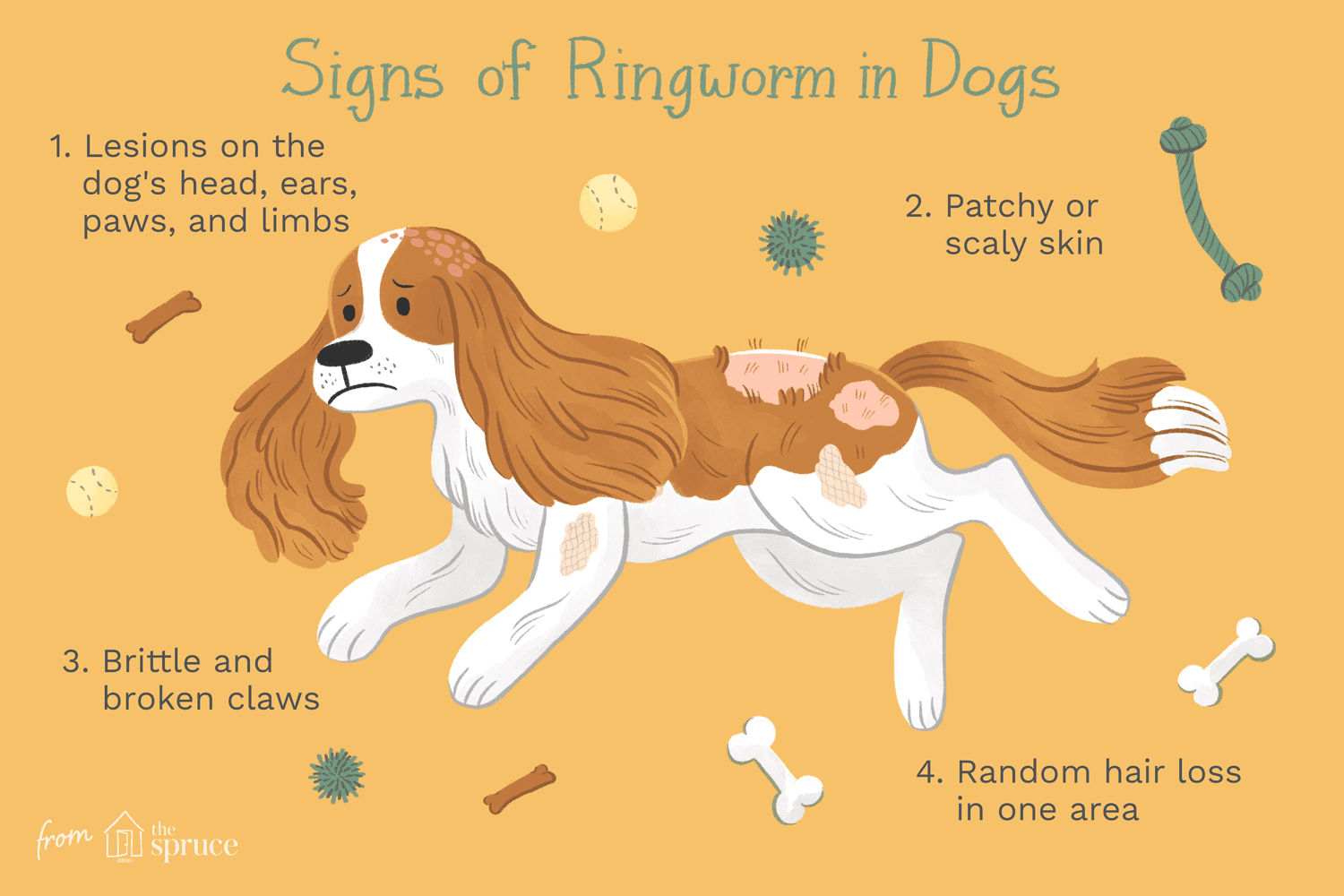
In dogs, ringworm lesions typically look like patchy areas of hair loss, and scaliness. Lesions typically develop on the dog's head, ears, paws, and limbs, but can occur on any other area of the skin.
Ringworm varies in severity. In some cases, lesions can become red, irritated, and itchy. Ringworm on the paws can cause nails to become brittle and break easily. Some dogs experience scabby, itchy lesions all over their bodies. In mild cases, hair loss may be the only noticeable sign. Some dogs are asymptomatic carriers that exhibit no signs of disease.
Ringworm in humans often presents quite differently, but this depends on the type of fungus and the location of the body. Lesions are usually red, raised, itchy, and sometimes scaly. Most ringworm lesions in humans will have a ring-like appearance.
Ringworm is very contagious and can easily be passed back and forth between household members of all species. Medical attention is necessary to prevent continued transmission. Contact your veterinarian if your pet has signs of ringworm. Contact a physician if any humans in the home are affected.
Causes of Ringworm
There are several species of dermatophyte fungi found in the environment. Dermatophytes are often found in soil, surfaces, objects, and on other animals. Animals and humans come into contact with them on a regular basis, but the fungi do not affect healthy skin. However, mildly irritated skin is easily infected by dermatophytes. This includes skin that has been recently shaved, scraped, scratched, or otherwise inflamed. Dogs with sensitive or compromised immune systems are more easily infected with ringworm. Puppies are predisposed due to their immature immune systems.
Dogs easily come into contact with dermatophytes while spending time outdoors or coming into contact with other animals. Digging is a common source of exposure and explains the common occurrence of ringworm on the paws and face. Dermatophytes can live on bedding, toys, bowls, and other items, making it easily passed between animals in the same home. Fungal spores are fairly hardy in the environment and can survive for several months.

Diagnosis
Veterinarians have a few methods to diagnose ringworm in dogs. A physical examination is necessary to evaluate the skin and the overall condition of the dog. The vet may use a tool called a Wood's light to look for ringworm lesions. This tool contains ultraviolet light that causes some ringworm lesions to glow neon green when shined on the skin in a dark room. However, some types of lesions will not appear during this exam and further tests may be necessary.
The vet may take a sample of hair and skin to look for dermatophytes under a microscope. A fungal culture is one of the best ways to definitely diagnose ringworm. This is done by putting a sample on a culture medium and placing it in a dark area in an attempt to grow fungal spores. If growth is seen, the sample is analyzed microscopically to identify the type of fungus. Complicated cases may require a biopsy for diagnosis.
Treatment
Ringworm infections eventually resolve on their own, but treatment can shorten the course of the disease and prevent spreading it to other humans and animals. Without treatment and environmental disinfection, ringworm may continue to recur and be passed between members of the home.
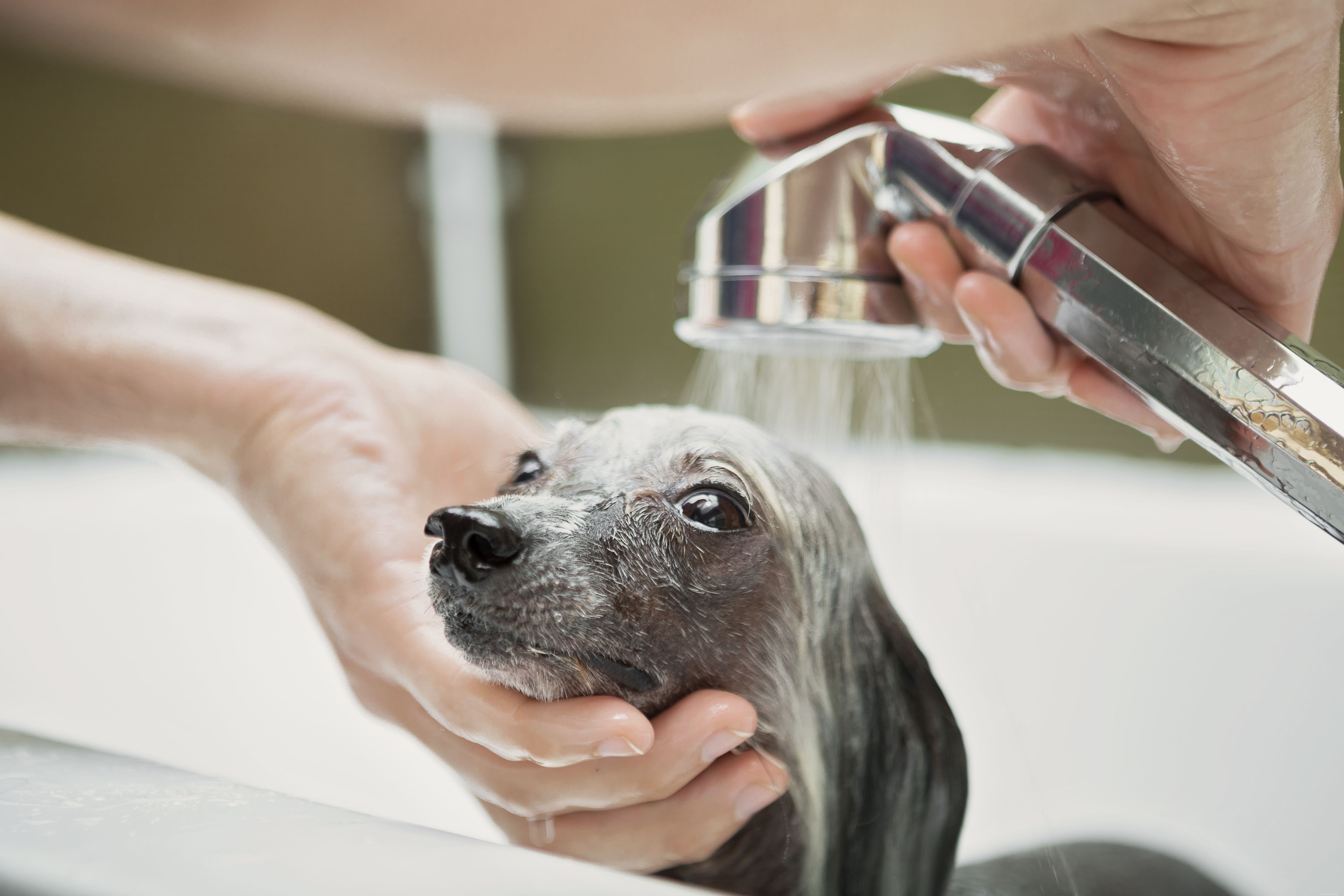
Treatment of ringworm may involve the use of prescription oral medication and topical treatments. Mild cases may be only treated topically at first with medicated shampoos or dips. Topical creams or sprays may be used concurrently. Baths or dips are usually recommended twice per week. Creams and sprays are usually applied two or more times a day. Be sure to comply with your vet's recommendations regarding treatment and follow-up.
Oral antifungal medications are typically used in moderate to severe cases and may need to be administered for six weeks or longer. Potential side effects include nausea, vomiting, diarrhea, and loss of appetite. Follow-up fungal cultures are necessary to determine if the treatment has been successful. It's important to continue medications as recommended until your veterinarian says treatment is complete. Otherwise, the ringworm infection is likely to recur.
Environment
Environmental decontamination is an important part of treatment and will reduce to likelihood of recurrence. Ringworm is hardy and can survive in the environment for many months, continuing to reinfect household members. Cleaning will not eliminate every spore, but it can significantly reduce the amount in the environment.
The home should be cleaned and vacuumed thoroughly several times per week, then disinfected. Disinfection should be done with bleach wherever possible (solution of one part bleach to ten parts water). Clean toys and bowls with soap and water, then disinfect with bleach solution. Steam cleaning can disinfect carpets, rugs, and upholstery. Wash bedding and other materials with bleach as well.
Dogs with ringworm should be confined to one room of the house during treatment. Other pets should not have access to this room. The room should be cleaned twice a week during treatment, then thoroughly disinfected after recovery.
How to Prevent Ringworm
There's no way to fully prevent your dog's exposure to ringworm because it's in the environment. However, you can reduce your dog's risk of ringworm infection through good hygiene and common sense. Take good care of your dog's skin and overall health. Groom your dog regularly. Visit the vet for routine wellness check-ups as recommended. Keep your dog's bedding and toys clean and dry; wash beds regularly and replace or clean toys as needed. Clean your home regularly, making sure to vacuum, mop, and wipe down your dog's areas in the process. Don't allow dogs with skin conditions or open wounds to play outside. Contact your vet for treatment of skin irritations as soon as possible.
If you suspect your pet is sick, call your vet immediately. For health-related questions, always consult your veterinarian, as they have examined your pet, know the pet's health history, and can make the best recommendations for your pet.- Skin Cancer in Dogs: Signs, Causes & Early Detection
- Ringworm in Puppies: Symptoms, Causes, Diagnosis & Prevention
- Seborrhea in Dogs: Symptoms, Causes & Effective Treatments
- Understanding Canine Folliculitis: Causes, Symptoms, and Treatment
- Understanding and Managing Dog Dermatitis: Symptoms, Causes, and Treatments
- Understanding Dog Lice: Symptoms, Causes, Treatments, and Prevention
- Ringworm in Dogs: Symptoms, Causes & Quick Treatment Guide