

The Ultimate Care Guide for Syrian Hamsters in Singapore

Syrian hamsters can make great companions as they’re easy to care for once you know their needs. Before deciding to bring one home, it’s important to do your research to ensure this is the pet that you want to dedicate your money, time and love to.
Learn more about how to look after a Syrian hamster in Singapore with our care guide below!
*Disclaimer: This article provides general information that should not be used in place of professional advice from a vet. Please seek help from a vet for more details on your hamster’s care and health needs.
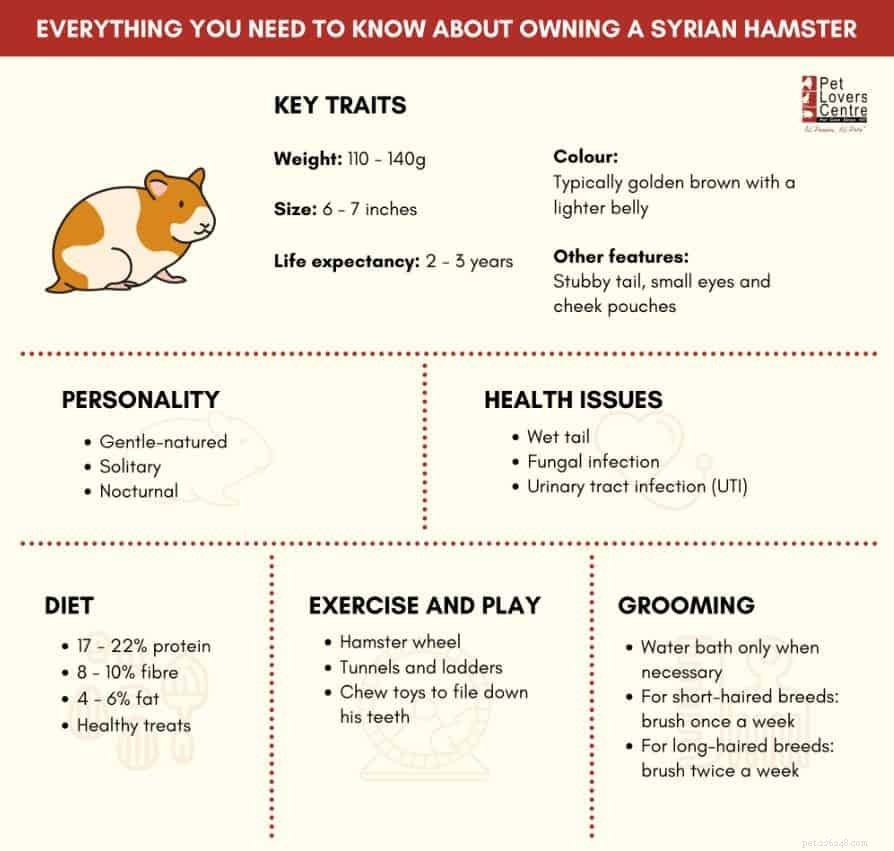
Key Physical Traits
| Weight | 110 - 140g |
| Size | 6 - 7 inches |
| Life expectancy | 2 - 3 years |
| Colour | Typically golden brown with a lighter belly |
| Other features | Stubby tail, small eyes and cheek pouches |
Common Personality Traits
Syrian hamsters can be very active with great personalities. It’s vital for you to understand your hamster’s behaviour to ensure they’re kept happy and healthy!
Gentle-natured
Syrian hamsters have a reputation of being excellent pets for all ages, particularly children, as they’re naturally docile and easy to tame. Handling them can be a joy as they’re slow movers and their size is just right for your palm.
Solitary
As they typically reach sexual maturity at 4 – 5 weeks old, Syrians should be separated from the opposite gender. They would also become more territorial at the age of 6 – 8 weeks old, hence they must be housed alone.
Nocturnal
Hamsters are nocturnal — they spend most of the day sleeping in their cages. They’re mostly active when the sun sets, which makes them great pets for those who are busy during the day and want some bonding time in the evening!
Caring for Syrian Hamsters in Singapore
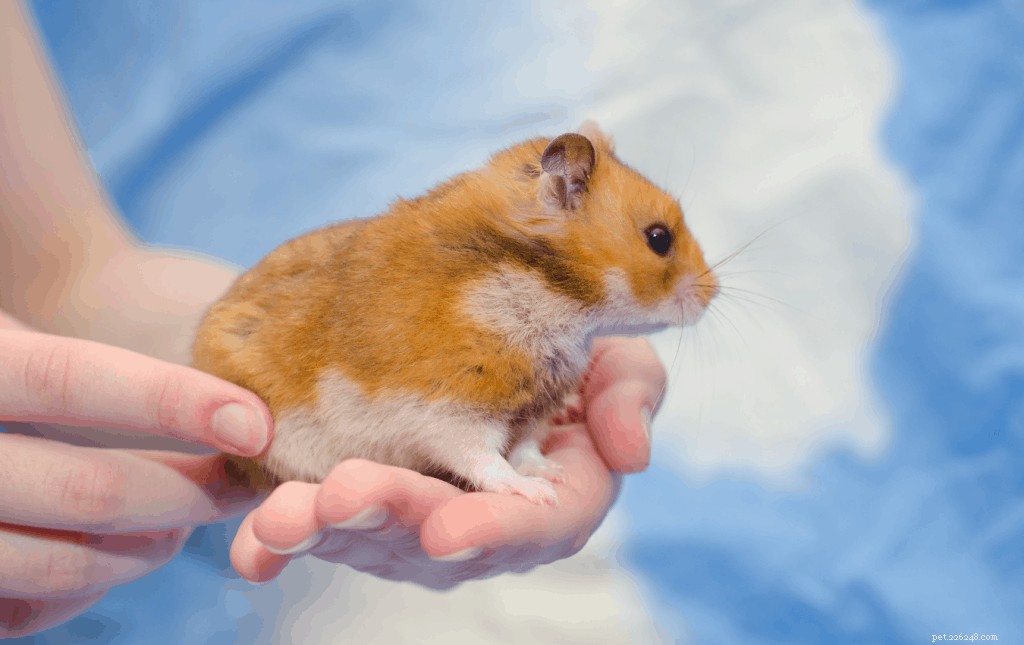
Hamster cage requirements
Cage size
The ideal home for Syrian hamsters is a large wire cage with a plastic base no smaller than 80cm (length) x 50cm (width) x 50cm (height). This is to ensure good ventilation and ample space for your pet to move around.
Bedding
Aspen products are highly recommended as they’ve been processed to remove extra dust and debris, making it a healthy choice for your pet. Avoid using any scented, pine or cedar shavings as these could irritate your hamster’s lungs!
Nest box
As these furballs spend most of the day asleep, you can consider providing a nest box to give them a quiet and secluded place to rest in.
Cage maintenance and cleaning
You’ll need to regularly clean out your hamster’s cage to maintain a hygienic environment for them to live in.
Here are some guidelines when cleaning the cage:
- Clean the cage thoroughly once a week with a pet-safe cleaner
- Hamsters are creatures of habit and they find sudden changes stressful. Their cages should be kept as similar as possible to ensure familiarity.
- When changing the bedding, keep some of the clean and dry bedding that’s been used by your hamster. By including that along with fresh bedding, it’ll ensure greater comfort for your pet.
Exercise and play
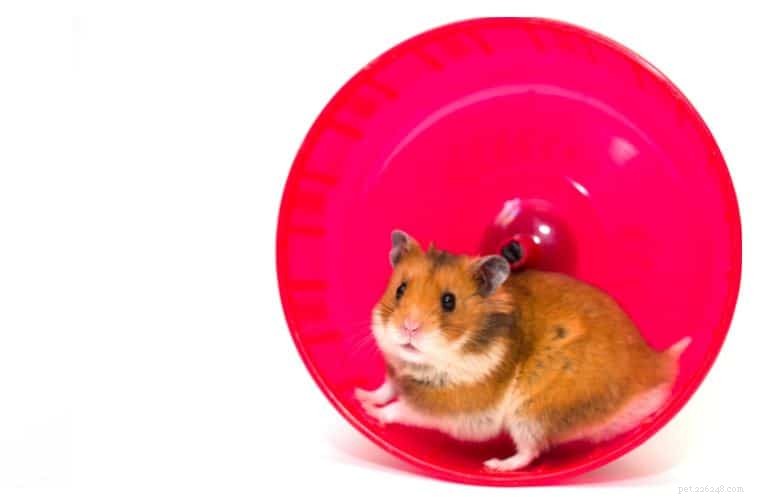
As Syrian hamsters are active pets, they’ll require a variety of toys and other items to provide them with opportunities to exercise, explore and play.
Exercise wheels
Putting a hamster wheel in the cage can help keep them fit and healthy as they burn off any excess fats they’ve gained. Be sure to get one that has a solid, wide surface to ensure utmost safety for them.
Tunnels and ladders
Tunnels mimic the natural habitat of this breed and thus, bring great comfort for them. To make it more interactive, you can also include ladders as these creatures love to climb!
Chew toys
It’s essential to provide toys that Syrian hamsters can gnaw on to keep their constantly growing teeth in good condition. A good choice would be wooden chew toys as they’re safe and sturdy to help your pet file down his teeth.
According to Sherry (from Petslino), toilet paper rolls are also great alternatives for these creatures to chew on. Do ensure that the material is free from any dyes to prevent any harm to your pet!
Grooming
Syrian hamsters are able to groom themselves and don’t require frequent bathing. In fact, it may not be ideal to give them a water bath as water can remove vital protective oils from their coats and cause them to catch a cold.
Fortunately, there are other grooming practices that you can adopt to clean your hamster without the use of water. The only time you should bathe your pet is when there’s something toxic or sticky on his coat.
You should also brush your pet:
- For short-haired breeds: once a week
- For long-haired breeds: twice a week
Diet for Syrian Hamsters
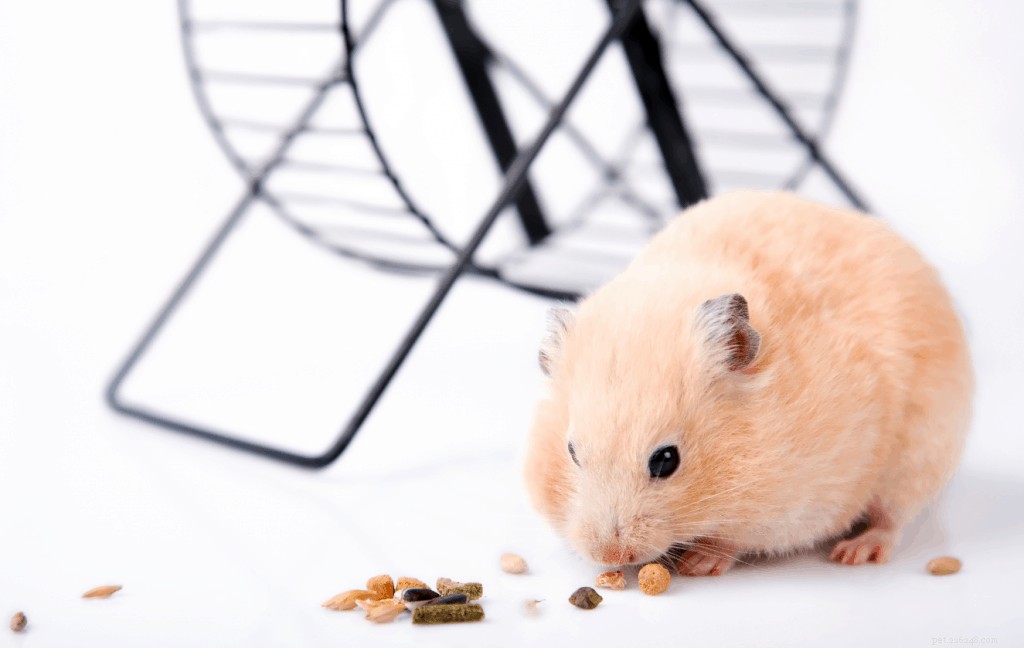
Sherry (from Petsolino) has advised that a Syrian hamster’s diet should consist of 17-22% protein, 8-10% fibre and 4-6% fat.
To strike that perfect balance, it’s good to start with a commercial hamster mix as it usually comes as an optimal combination of grains, seeds and pellets.
It’s also recommended that you supplement their diet with a small amount of healthy treats every 2-3 days. These can include:
- Cooked chicken, turkey or beef (protein)
- Boiled egg (protein)
- Pine nuts
If you’re looking to reward your hamsters with some fruity treats, grapes are one of the choices you can consider!
Your hamster will also need constant access to clean, fresh water, hence it’s best to attach a water bottle with a metal spout on the side of his cage.
These creatures have the tendency to hoard food in their beds and store food in their cheek pouches. Thus, it’s important to not overfeed them and remove any uneaten food from their cage promptly!
Common Health Problems
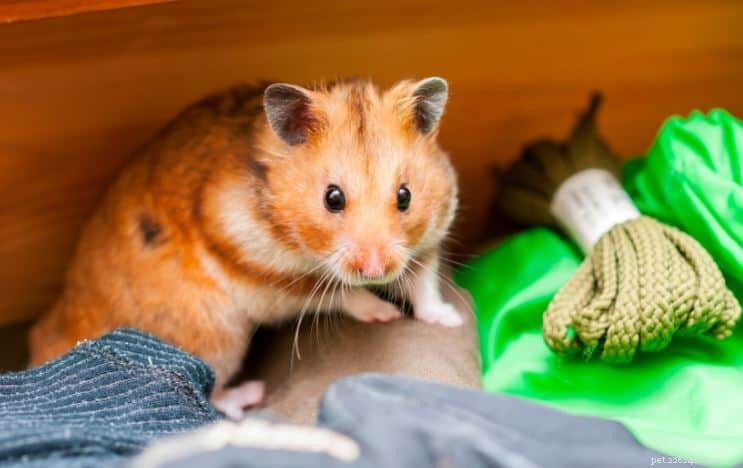
Storing food in cheek pouches can occasionally lead to problems. These cheeks can become injured either by a sharp corner from the food or being overstuffed.
If your hamster seems to have permanently stuffed cheeks, you can seek veterinary advice to check for the possibility of an infection.
Here are some other common health issues that your hamster may face:
Wet tail
Wet tail is a fatal health condition that occurs to Syrian hamsters under 12 weeks old. If left untreated, your hamster will face severe dehydration, discomfort and even death.
It’s hence important to familiarise yourself with the symptoms to ensure timely treatment for your hamster.
Symptoms:
- Diarrhoea
- Matted tail
- Foul odour
- Loss of appetite
- Lethargy
- Inability to walk properly
Treatment:
- Oral medication and antibiotics
Fungal infection
Due to Singapore’s hot and humid climate, fungal infection is another common illness among hamsters. The most common fungal problem that they might develop is ringworm.
This is often contagious and can be passed to other animals and people, thus it’s important to spot any symptoms and seek early treatment.
Symptoms:
- Circular patches of fur loss
- Dry, scaly skin
Treatment:
- Oral medication
- Anti-fungal cream
Urinary tract infection (UTI)
UTIs may also be fairly common among hamsters due to their small size, which allows bacteria to easily enter the urethra and infect the bladder.
This condition rarely goes away on its own and can quickly escalate into a kidney infection. Seek professional help from your vet as they can conduct a urinalysis to confirm the diagnosis and provide effective treatment.
Symptoms:
- Higher frequency of urination
- Traces of blood in their pee
Treatment:
- Oral medications such as Enrofloxacin (Baytril)
- Lots of water to flush out UTI
Price of Owning A Syrian Hamster in Singapore
One-off costs
Owning a Syrian hamster is more than just having a new companion. There are also some upfront costs to pay for and the prices are as follows:
- Purchase from pet stores: $15+
- Adoption: $10+
It’s also essential to purchase a cage, water bottle and interactive toys to provide a comfortable home for your pet. You can expect the total costs to amount to $100 and above!
Recurring costs
- Food: $400+ per year
- Bedding: $50 – $100 per year
- Vet: $40 – $200 per year
These are some of the basic costs you have to cover when taking care of your furball. Additional costs will be incurred if you decide to get more items to pamper your pet!
Fun Facts about Syrian Hamsters
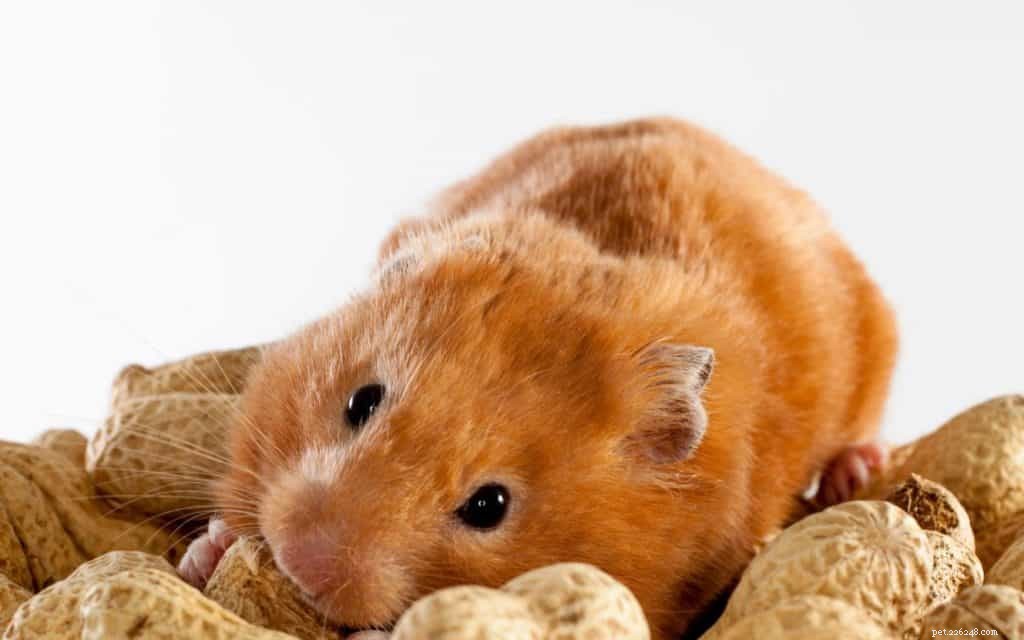
Syrian hamsters go by many different names
Syrian hamsters are named after their main place of origin, but they’ve also been called many other names. Some common names include fancy hamsters, teddy bear hamsters and golden hamsters.
Syrian hamsters come in a range of colours
This breed is traditionally golden colour but now comes in a range of hues including cream, cinnamon, sable, black, white and patterned variations.
Syrian hamsters come in long-haired varieties
Not all Syrian hamsters are short-haired. Some of them can grow long, silky coats. This is more common among male Syrian hamsters due to the increased production of testosterone.
Frequently asked questions
Are Syrian hamsters good for beginners?
The Syrian hamster is one of the more popular choices for small pets. It’s generally easy to tame, fun to watch, and fairly low maintenance, making them a good pet for beginners.
Do Syrian hamsters bite?
It’s rare for Syrian hamsters to be aggressive. They typically only bite when they get scared. Fortunately, you can gradually train your pet to accept being handled and stop biting.
Owning Syrian Hamsters in Singapore
If you’re looking to get a small pet, there’s nothing cuter than a Syrian hamster! This breed makes a great addition to your family as they’re considered to be the friendliest option for children.
However, be sure to be fully aware of their requirements. You may also want to learn more about other hamster breeds before making a decision!
- Hamster Care Guide: Choosing, Housing, Feeding & Training
- Caring for Your Pet Syrian Hamster: A Comprehensive Guide
- Walkin Wheels: Trusted Mobility Solutions for Pets and Animals
- How to Keep and Care for Pet Rats: A Complete Guide
- How to Care for Ducks: A Practical Guide for Pet Owners
- Choosing the Ideal Hamster: Top Pet Species for Small Spaces
- Caring for Senior Golden Retrievers: Expert Tips for Their Golden Years